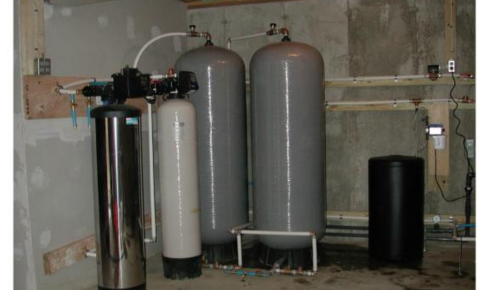
There’s a certain romance to living with a private well. No monthly water bill. No city pipes. Just water pulled straight from the ground beneath your feet. It feels independent, almost old‑school. But if you’ve lived with well water long enough, you know the other side of the story too — the odd smell some mornings, the staining in sinks, the quiet worry about what you can’t see.
Well water isn’t automatically bad. In many places, it’s perfectly fine. But unlike city water, it doesn’t come pre-treated or constantly monitored. The responsibility — and the control — is yours. And that’s where understanding your options really matters.
This isn’t about fear. It’s about clarity. And a little peace of mind.
What Makes Well Water Different (and Sometimes Tricky)
Well water comes from groundwater sources — aquifers that sit below the surface. As water travels through soil and rock, it picks things up along the way. Minerals, metals, sediment, organic matter. Sometimes bacteria. Sometimes not.
The challenge is that well water quality can change over time. Heavy rain, nearby construction, seasonal shifts, even aging well components can alter what ends up in your glass. One year the water tastes fine. The next, it smells like sulfur or stains everything orange.
That unpredictability is why well water treatment isn’t a one-size-fits-all idea. It’s a process — test, understand, treat — repeated as needed.
Start With Testing, Always
Before buying filters or systems, you need answers. Real ones.
A proper water test tells you what’s actually in your water — hardness, iron, manganese, nitrates, pH, and most importantly, microbial presence. This isn’t about guessing based on taste or smell. Some of the most harmful contaminants are completely invisible.
Lab-based testing (or an in-home test from a reputable water professional) gives you a baseline. It tells you what you’re dealing with now — not what worked for your neighbor or what a generic online kit assumes.
Once you know the problem, the solution becomes a lot clearer.
Filtration: The Everyday Workhorse
For many well owners, the first layer of defense is well water filtration. Think of filtration as the system that handles the physical and chemical stuff — sediment, rust, dirt, chlorine (if you’re shocking the well), organic compounds, and unpleasant tastes or odors.
Sediment filters catch sand and grit before they clog appliances. Carbon filters reduce smells and improve taste. Specialized media can target iron or sulfur, depending on what your test shows.
Filtration doesn’t disinfect water, but it creates a cleaner, more stable foundation. It also protects downstream equipment — softeners, UV systems, pumps — from unnecessary wear.
In other words, it’s not flashy, but it does a lot of quiet, important work.
When Bacteria Enters the Picture
This is the part that makes people nervous — and rightly so.
Bacteria in well water can come from surface runoff, septic system issues, animal activity, or cracks in the well casing. Coliform bacteria are the most commonly tested indicators. Their presence doesn’t always mean you’re sick, but it does mean the system is vulnerable.
True bacteria removal usually requires disinfection, not just filtration. The most common solution today is ultraviolet (UV) treatment. UV systems use light to neutralize bacteria, viruses, and parasites without adding chemicals to your water.
The key thing to understand: UV works best when paired with good filtration. Clear water allows the UV light to do its job effectively. Cloudy or sediment-heavy water can reduce its effectiveness.
This layered approach — filter first, disinfect second — is what makes well water truly safe for daily use.
Hard Water, Iron, and Other Common Surprises
Not all well water problems are dangerous, but they can still be annoying.
Hard water leaves scale on fixtures and dries out skin. Iron stains sinks and laundry. Manganese turns things black or brown. Sulfur smells like rotten eggs. None of these are rare, and none of them mean your well is “bad.”
They just mean your water needs conditioning.
Softeners handle hardness. Oxidizing filters remove iron and manganese. Aeration or carbon can help with sulfur odors. These systems don’t just improve comfort — they protect plumbing, extend appliance life, and make daily chores easier.
You shouldn’t have to fight your water to take a shower or wash your clothes.
Maintenance Is Part of the Deal
Here’s the honest part that often gets skipped: owning a well means staying involved.
Filters need changing. UV bulbs need replacement. Softeners need salt. Annual testing is smart, even if everything seems fine. It’s not a burden — it’s routine care, like servicing a car.
The upside? You’re not at the mercy of aging city infrastructure or boil-water notices. You know what’s in your water, and you control how it’s treated.
That’s a fair trade.
Choosing Calm Over Confusion
The water treatment world can feel overwhelming — acronyms, systems, strong opinions. But it doesn’t have to be complicated.
Start with testing. Fix what’s actually wrong. Build a system in layers if needed. And work with professionals who explain, not pressure.
Good well water doesn’t need to be perfect. It just needs to be consistent, safe, and comfortable.
Final Thoughts: Trusting the Water You Use Every Day
When you rely on a private well, water becomes personal. It’s not just a utility — it’s part of your home’s ecosystem. And once you dial in the right balance of well water treatment, smart well water filtration, and reliable bacteria removal, something shifts.