There’s something uniquely unsettling about waking up to a cold house. Not the refreshing kind of cool — I mean the kind where your breath is visible and you instinctively pull the blanket over your head, hoping the thermostat is lying. Heating systems have this uncanny ability to break down at the worst possible moment. Usually at night. Usually on the coldest day of the year.
I’ve been there. Most homeowners have. And while panic is a natural first reaction, the truth is that heating problems are often manageable — at least when you know what you’re looking at.
Let’s talk about what actually happens when your system stops working, what you can check yourself, and when it’s time to call in professional heating repair services without hesitation.
First Things First: Don’t Assume the Worst
Before imagining massive repair bills or total system replacement, pause for a moment. Sometimes the issue is surprisingly simple.
Check the thermostat. Is it set correctly? Has someone accidentally switched it to “cool” instead of “heat”? It happens more often than you’d think. Replace the batteries if needed. Then check your breaker panel — a tripped breaker can shut down your furnace instantly.
Airflow is another common culprit. Dirty filters restrict circulation, forcing your system to work harder than it should. Over time, that strain can cause overheating and automatic shutdown. Swapping out a clogged filter is inexpensive and often restores normal function.
If those quick checks don’t solve it, then yes — it might be time to dig a little deeper.
Understanding Your Furnace: It’s Not Magic
Furnaces aren’t mystical boxes that just produce warmth. They’re mechanical systems with specific components: burners, heat exchangers, blowers, ignition systems. When one piece falters, the whole unit can stop working.
That’s where proper furnace troubleshooting becomes essential. And no, that doesn’t mean taking the unit apart with a screwdriver and YouTube open in another tab.
Common furnace issues include:
- Ignition failure (especially in older pilot-light systems)
- Malfunctioning flame sensors
- Blower motor problems
- Dirty or blocked vents
- Cracked heat exchangers
Some signs are obvious — strange banging sounds, burning smells, short cycling (when the furnace turns on and off repeatedly). Others are subtle, like uneven heating from room to room.
If your furnace is over 15 years old, minor repairs can quickly snowball. In those cases, having a professional assess whether repair or replacement makes more sense is often the smartest move. Efficiency standards have improved dramatically over the past decade, and newer systems can significantly lower monthly energy costs.
Heat Pumps: Efficient, But Not Invincible
Heat pumps have become increasingly popular, especially in milder climates. They’re energy-efficient, versatile, and capable of both heating and cooling. But when they malfunction, confusion tends to follow.
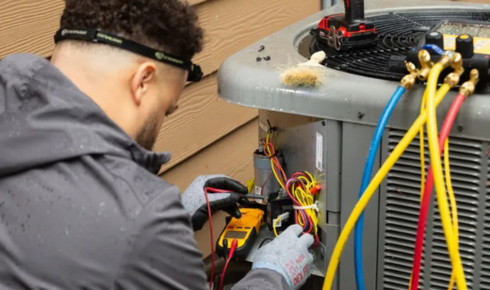
Unlike furnaces that generate heat, heat pumps transfer it. That means they rely heavily on refrigerant levels, compressor health, and electrical components. If your system is blowing lukewarm air or icing over outdoors, there’s likely an issue that requires professional heat pump repair.
Icing, for instance, often indicates airflow restriction or refrigerant imbalance. And while defrost cycles are normal, persistent ice buildup isn’t. Electrical control board failures can also cause erratic behavior — systems running continuously or not at all.
Because heat pumps operate year-round, wear and tear happens faster than many homeowners expect. Regular maintenance — cleaning coils, inspecting refrigerant levels, checking electrical connections — can prevent larger failures down the line.
When DIY Stops Being Smart
There’s a fine line between responsible homeowner and accidental HVAC technician. It’s tempting to try and “save a little money” by fixing things yourself. But heating systems involve gas lines, electrical wiring, and combustion components. Mistakes can be dangerous.
Call a licensed professional if you notice:
- Gas smells (leave the house immediately)
- Carbon monoxide detector alerts
- Electrical burning odors
- Loud metal-on-metal sounds
- Frequent system shutdowns
Heating systems are not just about comfort — they’re about safety. Carbon monoxide leaks, in particular, are silent and odorless threats. Annual inspections aren’t a luxury; they’re a necessity.
Maintenance: The Part Everyone Forgets
Here’s the honest truth: most emergency repairs are preventable.
Annual tune-ups allow technicians to catch small issues before they escalate. Worn belts, dirty burners, loose wiring — these are minor fixes during maintenance visits but expensive emergencies during winter storms.
A proper inspection usually includes:
- Cleaning and inspecting burners
- Checking thermostat calibration
- Testing safety controls
- Lubricating moving parts
- Examining ductwork for leaks
It’s not glamorous. It’s not exciting. But it works.
And when systems run efficiently, you notice the difference — quieter operation, steadier warmth, lower utility bills.
Choosing the Right Repair Professional
Not all HVAC companies are created equal. Look for licensed, insured technicians with clear pricing structures and strong local reviews. Transparency matters. So does experience.
Ask about warranties on parts and labor. A reputable company will stand behind its work. Avoid contractors who pressure you into immediate replacements without proper diagnostics.
Sometimes a system genuinely needs replacing. Other times, a simple part swap restores full performance. The key is honest assessment.
Final Thoughts: Comfort Shouldn’t Be Complicated
Heating systems are easy to ignore — until they stop working. Then suddenly they’re the only thing that matters.
If there’s one takeaway here, it’s this: stay proactive. Change filters regularly. Schedule annual inspections. Pay attention to unusual sounds or smells. Small awareness goes a long way.
And when the heat does go out — because at some point it probably will — don’t panic. Start simple. Check the basics. Then call in professionals when needed.