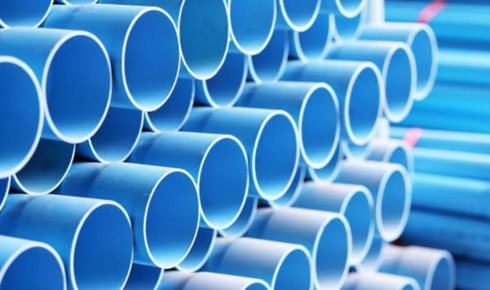
The success of modern infrastructure projects depends on the strength and reliability of the components that support their operation behind the scenes. Whether underground electrical constructions, drainage, or protection fittings for pipes, all of them serve to create strong, safe, and efficient infrastructure. Electrical pits, storm water pipes, and pipe fitting caps made of PVC are frequently forgotten since they are rather invisible once installed, but nevertheless, very important for building functional and durable infrastructure.
It is important to choose quality products not just because of fulfilling construction demands at the moment. Substandard products may cause malfunctions and problems later on due to the necessity of repairing or replacing them. Understanding the role of such products in the process may be very helpful.
Quality infrastructure begins with products designed to withstand real-world conditions. Factors such as environmental exposure, ground movement, water pressure, traffic loads, temperature changes, and ongoing maintenance requirements all influence how well a system performs over time. This article explores why these three essential components matter and how choosing the right solutions can improve the durability and efficiency of infrastructure projects.
The Importance of Durable Electrical Pits in Modern Infrastructure
Electrical systems are a critical part of almost every development, providing power for homes, businesses, communication networks, security systems, and industrial operations. To maintain these systems safely, underground electrical components require protection from external conditions. Electrical pits provide secure access points that allow cables, connections, and related equipment to be installed, inspected, and maintained effectively. A high-quality electrical pit does more than create an access point. It protects important electrical infrastructure from moisture, soil pressure, physical damage, and environmental contaminants. Without suitable protection, underground electrical connections may become vulnerable to corrosion, faults, and service interruptions.
Another critical factor in the selection of electrical pits is their ability to withstand structural loads. Underground pits are always under the weight of the surrounding earth and may be under additional loading in some cases due to vehicle movement, pedestrian traffic, or any other kind of weight. Ensuring that an electrical pit has a proper loading capacity will help ensure the structure stays intact and safe during its entire lifetime. The material from which the electrical pit is made is another key factor that plays a role in determining how well a pit functions. Modern electrical pits are usually made from durable materials that are capable of enduring harsh conditions.
Another important factor is accessibility. Electrical networks often require regular inspections, repairs, or future upgrades. A well-designed pit provides sufficient internal space for technicians to safely access cables and connections. Poorly planned access points can make maintenance difficult, increase labour requirements, and create unnecessary safety risks.
Water control is also an issue that must be considered. The electrical underground system is very vulnerable to water since it affects the performance and creates dangerous situations. High-quality electrical pits have been designed in such a way that they provide water protection and prevent the inside parts from being damaged. Installation is also an essential factor that should be taken into account when talking about reliability. No matter how good the product is, its performance may depend on its incorrect installation.
The future plans also need to be considered at the design stage. The needs regarding infrastructure always keep changing as new developments take place on the property, there is an advancement in technology, or new services are added. Selecting electrical pits of the right size helps accommodate future upgrades with minimal disruption and excavation work. For the professionals dealing in infrastructure, the objective is not just to establish electrical access points, but to make sure that the systems stay effective and efficient over their entire lifetime.
Why Stormwater Pipes Are Essential for Effective Water Management
Effective water management is one of the most important aspects of modern construction and urban development. As cities expand and surfaces become increasingly covered by buildings, roads, and paved areas, natural water absorption decreases. This creates a greater need for carefully designed drainage systems that can safely manage rainfall and prevent flooding. Stormwater pipes are a fundamental part of these drainage networks. They transport excess rainwater away from developed areas, helping protect properties, roadways, landscapes, and public spaces from water-related damage. Without reliable drainage infrastructure, heavy rainfall can result in flooding, erosion, structural damage, and unsafe conditions.
Drainage pipes are essential components that influence the performance and long-term reliability of the entire drainage system. They must withstand external pressures, such as soil loads and vehicle movement, while maintaining a continuous flow of water. Poor-quality pipes can crack, bend, or deform over time, reducing drainage efficiency and leading to frequent repairs.
There is an important benefit when choosing a high-quality pipe. First, there is enhanced durability in relation to the harsh conditions that drainage systems face regularly. High-quality drainage pipes can remain effective despite exposure to different forces, including water, soil, and temperature changes. Second, hydraulic performance is also very critical for the effectiveness of drainage systems. The inside construction of a pipe determines the ease of moving water through the pipe.
Selection of the right pipe size is equally important. Drainage systems that are too small will have problems coping with heavy rains, but a large pipe size may increase the cost of the drainage installation without any reason. Engineers consider factors such as rainfall patterns, catchment area, surface conditions, and water flow to design efficient drainage systems. The installation process becomes very important in order to ensure that there will be no problems like pipe misalignment and other similar issues.
Maintenance of these systems must also be taken into account right from the start. Inspections must be conducted to check for possible issues like clogging or damage in the drainage systems since these may occur over time. Access points and maintenance-friendly designs would make future maintenance tasks easier and more cost-efficient. Sustainability is another factor that has gained importance in modern drainage system design. Efficient stormwater management involves the incorporation of measures that can minimize negative impacts on the environment, maintain water quality, and practice water responsibility. Drainage systems can assist communities in managing rainfall while at the same time minimizing the strain placed on natural water sources.
The Critical Role of PVC Pipe Caps in Protecting Piping Systems
Small components can often have a major impact on the performance of larger systems. PVC pipe caps are a simple but highly effective solution used across plumbing, drainage, irrigation, and industrial applications to protect exposed pipe ends and maintain system integrity. The primary purpose of a PVC pipe cap is to create a secure barrier that prevents unwanted materials from entering an open pipe. During construction and maintenance, pipes are often left temporarily exposed before final connections are completed. Without protection, dust, dirt, insects, moisture, and construction debris can enter the system and create problems later.
Keeping piping systems clean from the beginning reduces the risk of blockages and improves installation efficiency. Removing contaminants from pipe networks after they have entered can require additional labour, delays, and unnecessary costs. A properly fitted cap provides a simple preventative measure. Durability is an important consideration when selecting pipe protection products. Depending on the installation environment, pipe caps may be exposed to sunlight, changing temperatures, chemicals, or physical impact. Quality PVC materials provide reliable performance while resisting cracking, corrosion, and general wear.
Proper size is important to ensure effective protection. An incorrectly sized cap may become loose, allowing contaminants to enter the pipe. On the other hand, a poorly fitting cap can be difficult to install and remove when needed. Choosing the right sizes will guarantee a proper fit and thus the effectiveness of protection. PVC pipe caps contribute to making workplaces safer. Open ends of pipes pose a hazard in the course of construction work, particularly in a busy work environment. Covering the open end will minimise danger, and at the same time, the workplace becomes organised. Apart from their use during construction, PVC pipe caps also play an important role in maintenance. At times, parts of the piping need to be isolated to protect them from contamination during modifications or repair.
Pipes are also useful when it comes to transportation and storage. Pipes that have been kept closed during transport will not be filled with any dirt before being used. This will make it easy for contractors to ensure that the pipes are cleaner. Despite the fact that the pipe cap is very small compared to other infrastructure elements, its importance should not be underestimated. It will help avoid unnecessary issues.
In Brief
Quality infrastructure is built through careful attention to every component, from major systems to smaller protective elements. Electrical pits provide essential protection and accessibility for underground electrical networks, helping maintain safety and reliability. Stormwater pipes support effective water management by moving excess rainfall efficiently while protecting properties and communities from drainage issues. PVC pipe caps help preserve piping systems by preventing contamination, improving safety, and supporting efficient installation and maintenance.
Selecting the right products is not only about considering the initial purchase cost. Quality of material, size, installation considerations, conditions of use, and performance will play a huge role in determining the success of an infrastructure project. Quality parts mean fewer maintenance needs, increased safety, and a system that operates optimally for several years to come. With the increasing standards of construction and demand for infrastructure, the need for durable and high-quality components will become increasingly important. Through the selection of quality electrical pits, stormwater pipes, and pipe protection components, the right project will be established.