A tired, cracked driveway can make even a well-kept house look neglected from the street. Resin driveways have become one of the most popular fixes for this problem in the UK, offering a smooth, modern finish that also solves a practical issue many homeowners face: standing water. This guide walks through what a resin bound surface actually is, how it compares to tarmac driveways and block paving, what it costs, and what to check before you hire an installer. Whether you are dealing with clay-heavy soil, new SuDS drainage rules, or simply want a driveway that looks good for longer, this article covers what you need to know before you get a quote.
What Is a Resin Driveway, Exactly?
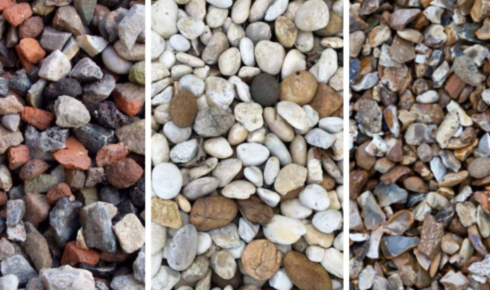
A resin driveway is made by mixing small stones, called aggregate, with a clear resin binder. The mixture is laid over a prepared base and troweled to a smooth, even finish. Unlike tarmac or concrete, water passes straight through the surface instead of sitting on top of it. This is called a permeable surface, and it is a big reason resin has grown in popularity.
There are two main types worth knowing:
- Resin bound: aggregate is mixed with resin before laying, creating a smooth, flat surface. This is the type most homeowners choose for driveways.
- Resin bonded: resin is spread first, then loose stone is scattered on top. This gives a rougher, gravel-like texture and is less commonly used for driveways today.
Why Homeowners Are Choosing Resin Over Tarmac or Block Paving
Older concrete and block paved driveways often develop a common problem over time: puddles that sit for hours after rain, especially on clay-heavy ground. A resin surface avoids this because water drains through it rather than collecting on the surface. This also matters for a legal reason. New and replacement driveways in the UK are subject to Sustainable Drainage Systems, or SuDS, rules, and a permeable surface like resin generally meets these requirements without needing extra drainage work.
Beyond drainage, homeowners tend to list a few other reasons for choosing resin:
| Feature | Resin Bound | Tarmac | Block Paving |
| Water drainage | Permeable, drains through | Not permeable | Gaps allow some drainage |
| Weed growth | Minimal | Can develop cracks and weeds | Weeds grow between blocks |
| Colour and finish options | Wide range of aggregate blends | Limited to black or grey | Many colours and patterns |
| Typical UK cost (per m²) | Higher | Lower | Mid-range |
| Maintenance | Low | Moderate, needs resealing | Moderate, blocks can shift |
What a Resin Driveway Costs in the UK
Cost is usually the first question homeowners ask, and it depends heavily on the size of the drive, the ground conditions underneath, and which aggregate blend is chosen. As a guide, a typical UK front driveway of around 30 to 40 square metres tends to fall somewhere between £2,500 and £6,000 for resin, compared with roughly £1,500 to £3,000 for the same area in tarmac. Gravel alone is usually the cheapest option of the three, though it lacks the low-maintenance benefits of a bound surface.
The biggest cost driver is not usually the resin itself. It is what happens underneath it. A driveway installed on poor or unstable ground needs a properly excavated and compacted sub-base, and skipping this step is the most common reason resin driveways fail early. On clay-heavy ground in particular, this stage largely decides how long the finished surface will last.
Key Takeaways
- Resin driveways let water drain through the surface instead of pooling, which helps meet UK SuDS drainage rules
- A proper sub-base, not the resin itself, is what determines how long a driveway lasts
- Costs for a typical UK driveway usually run higher than tarmac but come with lower long-term maintenance
- Resin comes in many aggregate colours, so it can be matched to the style of the house rather than limited to black or grey
- Always ask an installer for a written quote that separates sub-base work, resin product, and total cost
A Real Example: Why Groundwork Matters More Than the Surface
One case that shows this clearly involves a homeowner on clay-heavy ground who compared two quotes for the same size driveway. One installer priced a full sub-base excavation and compaction, while the other quoted a lower price that skipped most of the groundwork and simply laid resin over the old surface. The cheaper option looked identical on installation day. Within two winters, sections of it had cracked and begun to sink slightly where water had not been able to drain properly underneath.
This is a pattern seen often enough that industry guidance consistently flags sub-base quality, not the resin product itself, as the leading cause of early driveway failure. It is also why homeowners are advised to ask direct questions before hiring anyone: what sub-base depth is being priced in, what happens if the ground turns out to be worse than expected, and whether the quote already includes removing old material.
A specialist installer such as RPS Resin Driveways generally sets out this detail in writing before any work starts, covering the sub-base depth, resin product, surface thickness, and edging as part of the quote. That kind of written breakdown makes it much easier to compare quotes properly instead of choosing based on the bottom-line price alone. Installers who work regularly on driveways, pathways, and patios across a range of ground conditions tend to be more upfront about what a site actually needs, rather than offering a one-size-fits-all price.
What a Good Installation Process Looks Like
A properly installed resin driveway generally follows a consistent set of steps, regardless of which company carries them out:
- Site visit and assessment: the installer checks the existing surface and ground conditions before quoting anything
- Written quote: a clear breakdown covering sub-base work, resin product, thickness, edging, and total cost
- Excavation and sub-base: old material is removed where needed, and a compacted, permeable sub-base is laid in layers
- Resin application: the aggregate and resin mixture is laid and finished to an even surface
- Edging and finishing touches: borders are added to keep the surface contained and give a clean, finished edge
Skipping steps, particularly the excavation and sub-base stage, is the most common shortcut that leads to problems later.
How Long Does a Resin Driveway Last?
With a properly built sub-base, a resin bound driveway commonly lasts 15 to 25 years with only light, occasional maintenance such as clearing debris and rinsing the surface. Surfaces installed without adequate groundwork can develop cracking, sinking, or loose patches far sooner, sometimes within just a few years. This is why the sub-base is worth more attention during the quoting stage than the aggregate colour or finish.
Frequently Asked Questions
Is a resin driveway worth the extra cost compared to tarmac?
For many homeowners, yes, mainly because of lower long-term maintenance and better drainage performance. It depends on how long you plan to stay in the property and how much you value a low-maintenance, permeable surface over the lower upfront cost of tarmac.
Do resin driveways crack?
They can develop hairline cracks over time, usually from ground movement or poor sub-base preparation rather than the resin itself. A properly built sub-base greatly reduces this risk.
Are resin driveways slippery when wet?
They generally have decent grip, though some aggregate finishes are smoother than others. Choosing a slightly coarser aggregate blend can help with traction in wetter climates.
Do I need planning permission for a resin driveway?
In most cases, no, because resin is a permeable surface and typically meets SuDS drainage requirements automatically. It is still worth confirming with your local council, especially for larger driveways or properties in conservation areas.
How do I know if an installer is doing the job properly?
Ask for a written quote that separates sub-base depth, resin product, and total cost. A clear, itemised breakdown is generally a good sign that groundwork is being taken seriously rather than rushed.