Water is something most of us use without thinking twice. We turn on the kitchen tap to fill a glass, wash vegetables, make coffee, or prepare dinner for the family. It feels like an ordinary part of daily life. But have you ever stopped to wonder what’s actually in the water flowing through your home?
Even water that looks perfectly clear can contain dissolved minerals, sediment, chlorine, or other unwanted substances. Sometimes, the problem isn’t the water source itself but the plumbing, storage tank, or treatment equipment connected to it. Understanding water quality is the first step toward making better decisions for your household.
Why Water Quality Deserves More Attention
Clean water plays an important role in everyday comfort. It affects the taste of drinking water, the condition of your plumbing fixtures, and even how well household appliances perform. Hard water, for example, can leave stubborn deposits on showerheads and faucets. Excess iron may cause reddish-brown stains on sinks, laundry, and bathroom surfaces.
Some water quality concerns are less obvious. Certain contaminants cannot be detected by sight, smell, or taste alone. That’s why relying on appearance isn’t enough to determine whether water is suitable for drinking or other household uses.
Paying attention to changes can help. An unusual smell, cloudy appearance, metallic taste, or sudden buildup around fixtures may indicate that something deserves investigation. These signs don’t automatically mean the water is unsafe, but they shouldn’t be ignored either.
The Importance of Professional Water Testing
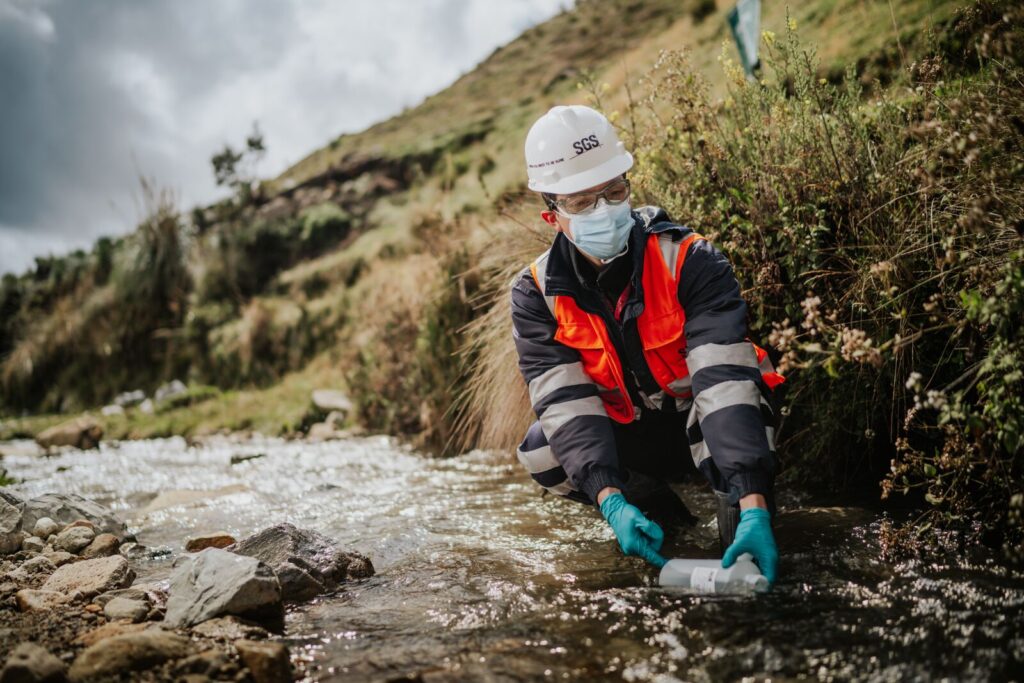
Before purchasing treatment equipment, it helps to understand the specific problem you’re trying to solve. This is where water testing becomes especially useful. A properly selected test can identify concerns such as hardness, pH imbalance, iron, manganese, nitrate, or certain microbial contaminants.
The right testing approach depends on the water source. Homes connected to municipal supplies may have different concerns from properties that depend on private wells. Municipal water is generally treated and monitored, but its quality can still be affected by distribution systems, household plumbing, or changes occurring after treatment.
Private well owners have additional responsibilities because well water isn’t routinely regulated in the same way as public drinking water. Regular testing helps identify potential contamination before it becomes a bigger concern.
Testing should be based on local risks and the household’s circumstances. For example, a home with recurring orange stains may benefit from testing for iron, while a household concerned about agricultural runoff may need tests for nitrates. A qualified professional can help determine which parameters should be evaluated and whether laboratory analysis is appropriate.
Most importantly, test results provide a starting point for practical decisions rather than leaving homeowners to guess.
Choosing the Right Water Filtration System
Once the water quality concerns are understood, the next step is selecting a suitable treatment method. Water filtration is often discussed as a single solution, but filtration systems work in different ways and are designed to address different problems.
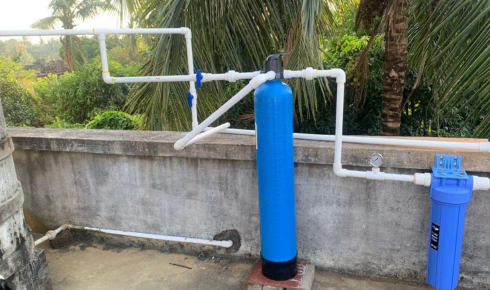
Sediment filters can remove particles such as sand, rust, and suspended debris. Activated carbon filters are commonly used to reduce chlorine, unpleasant tastes, and certain organic compounds. Reverse osmosis systems can reduce many dissolved substances, depending on the membrane, system design, and operating conditions.
Water softeners serve another purpose. They primarily reduce hardness minerals, especially calcium and magnesium, which contribute to scale buildup. Although softeners can improve water quality for household use, they don’t replace every type of filtration or disinfection system.
This distinction matters because no single product removes every possible contaminant. A filter marketed for improving taste, for instance, shouldn’t automatically be assumed to remove bacteria, nitrates, or heavy metals. Always check the manufacturer’s performance claims and independent certification where available.
Think about how your household uses water, too. A family may need treatment for drinking and cooking water at the kitchen sink, while another property may benefit from a whole-house system that addresses sediment or hardness throughout the plumbing network.
The best choice is the one that matches verified water conditions, fits the household’s needs, and can be maintained properly over time.
Why an On-Site Inspection Can Make a Difference
Water treatment equipment doesn’t operate in isolation. Plumbing layout, water pressure, available installation space, drainage access, and the condition of existing pipes can all influence system performance.
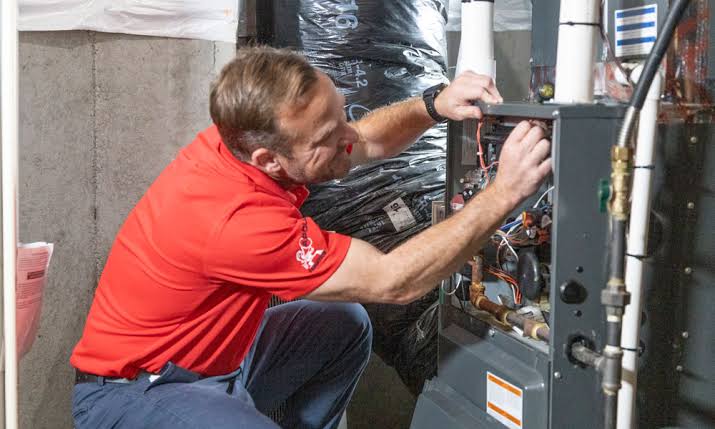
An on-site inspection allows a qualified technician to examine these practical details before recommending equipment. They may check the incoming water line, identify visible leaks, assess the existing filtration setup, and determine whether the proposed system can be installed safely and conveniently.
For instance, a homeowner might assume that a whole-house filter will solve every water issue. During an inspection, however, a technician may discover that the main concern is excessive hardness or that an old storage tank requires attention. Installing the wrong equipment could mean spending money without addressing the actual cause.
An inspection can also help identify maintenance problems. Clogged cartridges, leaking connections, neglected softeners, and poorly maintained storage tanks may affect performance even when the original equipment was appropriate.
A careful assessment should include a clear explanation of the findings, the recommended solution, expected maintenance requirements, and any limitations. Homeowners should feel comfortable asking questions before agreeing to an installation.
Everyday Habits That Help Maintain Better Water Quality
Professional testing and treatment are important, but simple habits also make a difference. Replace filter cartridges according to the manufacturer’s instructions rather than waiting until the water begins to taste unusual. Clean faucet aerators when sediment accumulates, and address plumbing leaks before they cause further damage.
If your home uses a private well, arrange testing at appropriate intervals and after events that could affect the water supply, such as flooding or repairs. Follow local public health guidance on which contaminants to test for and how frequently testing should occur.
It’s also sensible to keep records of previous results and maintenance visits. Comparing results over time can help reveal changes that might otherwise go unnoticed.
Avoid treating every water problem with bottled water or a new filter without first understanding the cause. Sometimes the issue requires plumbing repairs, tank cleaning, or a different treatment method altogether.
Making a Smarter Investment in Your Home
Water quality solutions don’t have to be complicated, but they should be chosen carefully. Start by identifying the concern, obtain reliable test results, and seek professional guidance when the cause isn’t clear. Then compare treatment options based on their actual capabilities, installation requirements, and long-term maintenance costs.
A low-cost system may appear attractive initially, but replacement cartridges, servicing, and unsuitable equipment can add up. On the other hand, purchasing an expensive treatment system without evidence of a need isn’t necessarily a wise investment.
Good water management is about finding the right balance between safety, convenience, and cost. It means understanding what comes out of your tap, knowing which problems need attention, and taking sensible steps to address them.
Water may be an everyday necessity, but its quality deserves more than a passing thought. With informed testing, appropriate treatment, and regular maintenance, homeowners can make more confident decisions and help protect the plumbing systems and appliances they rely on every day.