A roof does much more than cover a home. It protects the structure, insulation, walls, ceilings, and belongings from rain and moisture. In Texas, where homes can experience intense heat, strong winds, heavy thunderstorms, and sudden changes in weather, keeping the roof in good condition is especially important. Small roofing problems may not cause an immediate leak, but they can become much more serious when water repeatedly gets into vulnerable areas.
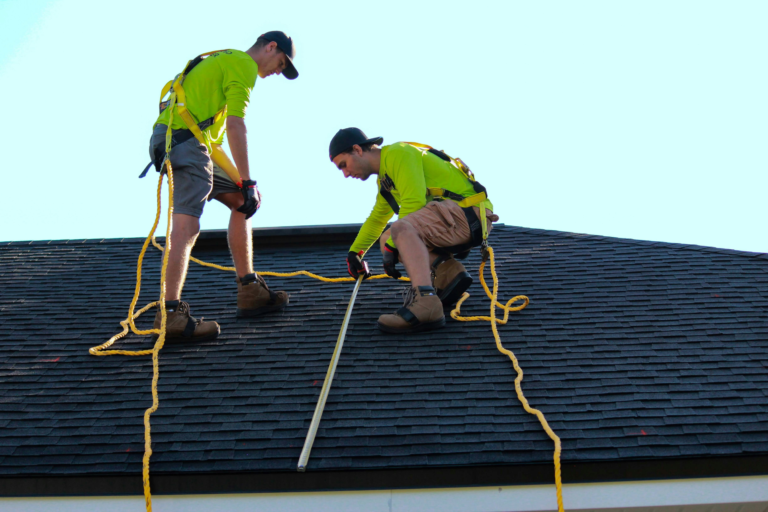
Regular roof maintenance services can help homeowners identify these problems before they turn into expensive repairs. Maintenance does not mean waiting until water starts dripping from the ceiling. It means checking the roof periodically, keeping drainage systems clear, looking for damaged materials, and addressing small concerns while they are still manageable.
Why Does Regular Roof Maintenance Matter?
Roofing materials are constantly exposed to the weather. Strong sunlight can age roofing materials, while heavy rain and wind can place additional stress on shingles, flashing, sealants, and drainage components. Over time, these areas can become worn even when the roof still looks acceptable from the ground.
A maintenance inspection gives homeowners an opportunity to identify early warning signs. A loose or damaged shingle, deteriorating flashing, blocked gutter, or small opening around a roof penetration may allow water to enter during a storm. Water does not always appear directly below the point where it enters the roof, either. It can travel along decking, insulation, framing, or other surfaces before becoming visible inside the home.
The U.S. Department of Energy notes that roof valleys, roof-wall intersections, and penetrations are among the areas particularly vulnerable to water intrusion. Proper flashing and water-management details help direct water away from these areas.
How Can Roof Maintenance Help Prevent Leaks?
One of the biggest benefits of roof maintenance is that it allows minor defects to be corrected before they develop into active leaks. During a professional inspection, a roofing contractor can look for cracked, missing, lifted, or deteriorating shingles and examine areas where different roofing materials meet.
Flashing deserves particular attention. Flashing helps move water away from vulnerable joints around chimneys, walls, vents, skylights, and other roof penetrations. If flashing becomes damaged or improperly sealed, rainwater may find a path underneath the roofing materials. Properly installed step flashing and kick-out flashing are particularly important where a roof meets an exterior wall because they help direct runoff toward the drainage system rather than allowing water to enter the wall assembly.
Maintenance can also include checking sealants and other areas around roof penetrations. Pipes, vents, skylights, and similar features create openings through the roof system. These locations need appropriate weatherproofing so water can continue flowing over the roof instead of finding an opening into the underlying structure.
Can Clean Gutters Really Help Prevent Roof Leaks?
Yes. Gutters and downspouts are an important part of the home’s overall water-management system. Their job is to collect roof runoff and move it away from the house. When gutters become clogged with leaves, branches, dirt, or other debris, water may overflow instead of draining properly.
Overflowing water can affect roof edges, fascia, soffits, siding, and areas around the foundation. In some situations, persistent moisture around roofing components can contribute to deterioration and create additional opportunities for water intrusion.
Texas homeowners should pay particular attention to drainage after periods of heavy storms. A gutter that appears clear before a storm can become blocked by leaves and debris afterward. Checking that water flows freely through gutters and downspouts is a simple maintenance step that can help protect the entire exterior of the home. Proper roof drainage is also recognized as an important part of managing rainwater around a building.
What Should Texas Homeowners Look for After a Storm?
A storm is a good reason to take a closer look at the roof, particularly after strong winds or heavy rainfall. Homeowners can safely inspect what is visible from the ground for missing or displaced shingles, damaged flashing, overflowing gutters, or pieces of roofing material around the property.
It is also worth checking the attic and interior ceilings for signs of moisture. Dark stains, damp insulation, musty odors, bubbling paint, or new discoloration can indicate that water has entered the home.
However, homeowners should avoid walking on the roof themselves. Roofing surfaces can be slippery or damaged, and some problems cannot be identified safely from above without the proper experience and equipment. A professional inspection is a better option when there is concern about storm damage or a potential leak.
How Does Roof Maintenance Help Extend the Life of a Roof?
Routine maintenance can help a roof perform properly for longer because problems are addressed before they spread. For example, repairing damaged flashing is generally much less complicated than dealing with extensive water damage that develops after a leak has continued for months.
The same principle applies to roofing materials. If a few damaged components are identified early, they may be repairable without requiring extensive work across the entire roof. If deterioration is ignored, however, moisture can eventually affect the roof deck, insulation, framing, walls, or ceilings.
This is also why homeowners should not automatically assume that an older roof needs immediate replacement simply because it has reached a certain age. Its condition, previous repairs, installation quality, exposure to severe weather, and signs of moisture intrusion all matter when determining the appropriate next step.
When Should You Consider Roof Replacement Instead of Repair?
Maintenance and repairs can help address many roofing problems, but they cannot reverse extensive deterioration. If a roof has widespread damage, recurring leaks, significant material deterioration, or a compromised roof deck, replacement may become the more practical long-term solution.
For homeowners researching roof replacement in Austin Texas, it is important to start with an inspection rather than assuming that replacement is automatically necessary. A professional can evaluate the current condition of the roofing system and explain whether maintenance, localized repairs, or a complete replacement makes the most sense.
Austin-area homeowners should also consider the effects of the local climate when planning long-term roof care. Repeated exposure to intense sun, wind, and heavy rainfall can gradually affect roofing materials. Addressing problems early can help homeowners avoid turning a relatively small roofing concern into a larger project.
Can Attic Conditions Affect Roof Performance?
Yes. Roof maintenance should not always stop at the exterior surface. The attic can provide useful clues about how well the roofing system is managing moisture.
Excess moisture in an attic can affect insulation and wood components and may contribute to mold or other moisture-related problems. Proper attic ventilation and air sealing can help manage moisture and improve the durability of the roof and attic assembly. The Department of Energy recommends keeping attics dry and properly ventilated as part of maintaining a durable building assembly.
If a homeowner notices wet insulation, visible moisture, mold-like growth, or damaged wood in the attic, it is important to determine where the moisture is coming from instead of simply covering up the visible symptom.
How Often Should a Roof Be Checked?
There is no single inspection schedule that works for every home. The appropriate frequency depends on the roof’s age, materials, condition, surrounding trees, previous repairs, and exposure to severe weather.
For many Texas homeowners, a practical approach is to have the roof evaluated periodically and to schedule an additional inspection after significant weather events. Regular checks are particularly useful for older roofs or properties that have experienced previous leaks.
The goal is not to inspect the roof unnecessarily. The goal is to catch small issues while they are still easier to address.
For homeowners who want to take a proactive approach, working with an experienced roofing company such as 1st Capital Certified Roofing can help identify areas that may need attention before they develop into larger problems.
What Are Common Signs That a Roof May Be Developing a Leak?
A roof leak is not always obvious. Sometimes the first indication appears inside the home rather than on the roof itself. Homeowners should pay attention to ceiling stains, peeling or bubbling paint, damp insulation, unexplained musty odors, or visible moisture in the attic.
Outside the home, damaged shingles, deteriorated flashing, clogged or overflowing gutters, damaged roof edges, and areas where water appears to collect deserve attention.
If these signs appear, it is better to investigate them promptly. Water intrusion can damage insulation and other building components, and prolonged moisture can contribute to structural deterioration.
Why Is Preventive Roof Care Worth It?
Preventive maintenance is ultimately about staying ahead of water damage. A roof does not usually go from perfect to severely leaking overnight. In many cases, small weaknesses develop first, and repeated exposure to rain and weather gradually makes the problem worse.
Regular inspections, proper drainage, timely repairs, and attention to flashing and roof penetrations can all help reduce the risk of unexpected leaks. For Texas homeowners, this proactive approach can be especially valuable because the roof needs to handle intense heat as well as periods of heavy rain and strong storms.
Taking care of small roofing issues today can help protect the larger structure of the home tomorrow. Instead of waiting for a ceiling stain or active leak to reveal a problem, homeowners can use regular maintenance to identify potential trouble earlier and make informed decisions about repairs or replacement.
Frequently Asked QuestionsCan regular roof maintenance completely prevent leaks?
No maintenance program can guarantee that a roof will never leak. Severe weather, unexpected damage, installation problems, and aging materials can still cause issues. However, regular maintenance can identify many common vulnerabilities before they become larger sources of water intrusion.
How can I tell if my roof has a small leak?
Look for ceiling discoloration, damp insulation, musty odors, bubbling paint, or unexplained moisture in the attic. A leak may not appear directly beneath the damaged area of the roof because water can travel along roof decking or framing before becoming visible inside the home.
Should I inspect my roof after a Texas storm?
Yes, especially after strong winds or heavy rainfall. A visual inspection from the ground can help identify obvious damage. If you notice missing shingles, damaged flashing, interior water stains, or other concerns, a professional roof inspection can help determine whether repairs are needed.
Does roof maintenance help delay roof replacement?
It can. Addressing minor damage and drainage or flashing problems early may help prevent additional deterioration. However, maintenance cannot restore roofing materials that have reached the end of their useful condition. An inspection can help determine whether continued maintenance or replacement is more appropriate.
When should I call a roofing professional?
Contact a roofing professional when you notice a leak, missing or damaged roofing materials, recurring moisture, damaged flashing, or signs of storm damage. It is also reasonable to schedule a professional evaluation if the roof is older or you are unsure about its current condition.