Water is one of those things we depend on constantly but rarely stop to appreciate. From brewing the first cup of coffee in the morning to washing dishes after dinner, it plays a role in almost everything we do. When water quality becomes an issue, though, even simple activities can feel unnecessarily frustrating.
Perhaps you’ve noticed stubborn mineral deposits around your faucets, an unpleasant taste in your drinking water, or appliances that require frequent maintenance. These problems aren’t always serious, but ignoring them can make everyday life more complicated than it needs to be.
Investing in appropriate water treatment can help address these concerns while improving comfort and protecting valuable equipment.
Understanding the Importance of Professional Water Treatment
Every property has different water quality requirements. Some households struggle with excessive mineral content, while others experience sediment, chlorine odors, or concerns about dissolved contaminants.
Homeowners and business owners exploring Sayler Water water treatment services can begin by discussing their specific water quality concerns and evaluating suitable treatment options.
Understanding the condition of your water supply before purchasing equipment is particularly important. A water softener might address mineral buildup, but it won’t necessarily resolve unpleasant drinking water tastes or other contamination concerns.
A thoughtful approach begins with reliable testing and a clear understanding of what each treatment method can accomplish.
After all, there’s little benefit in spending money on equipment that doesn’t solve your actual problem.
Recognizing Common Water Quality Problems
Sometimes, the signs of poor water quality are hiding in plain sight.
Cloudy glassware, chalky deposits around bathroom fixtures, and soap that doesn’t lather properly can indicate excessive water hardness.
Other problems may appear as unusual odors, discoloration, or tiny particles collecting around faucet aerators.
Then there are concerns that aren’t immediately noticeable. Certain dissolved contaminants may be present without affecting water’s appearance or taste.
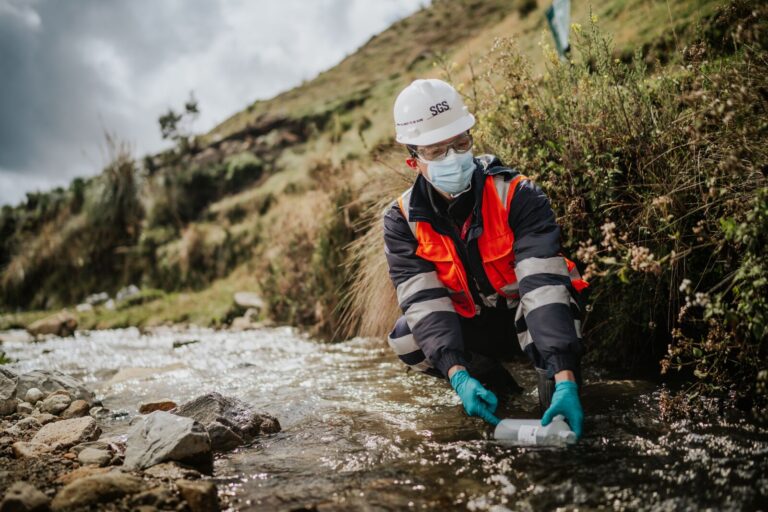
That’s why relying entirely on your senses isn’t always enough. Appropriate water testing can help identify specific issues and determine whether additional laboratory analysis is necessary.
Understanding these findings makes choosing suitable treatment equipment much easier.
Finding Solutions That Address Your Actual Needs
Water treatment technology has come a long way, offering homeowners more choices than ever before. Unfortunately, having so many options can make the decision feel overwhelming.
Investing in expert water treatment solutions can help simplify this process by matching appropriate technologies to specific water quality concerns.
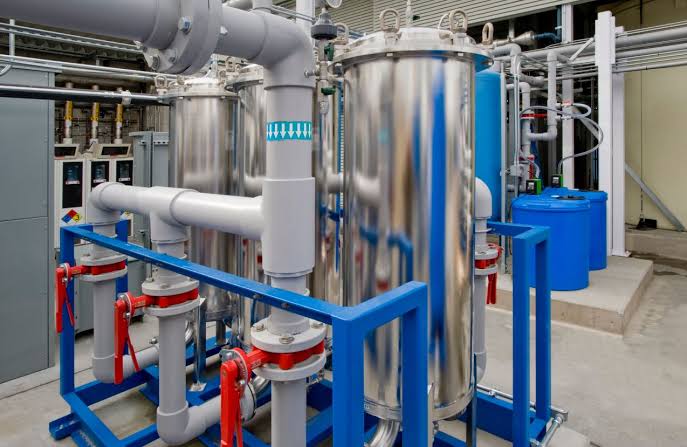
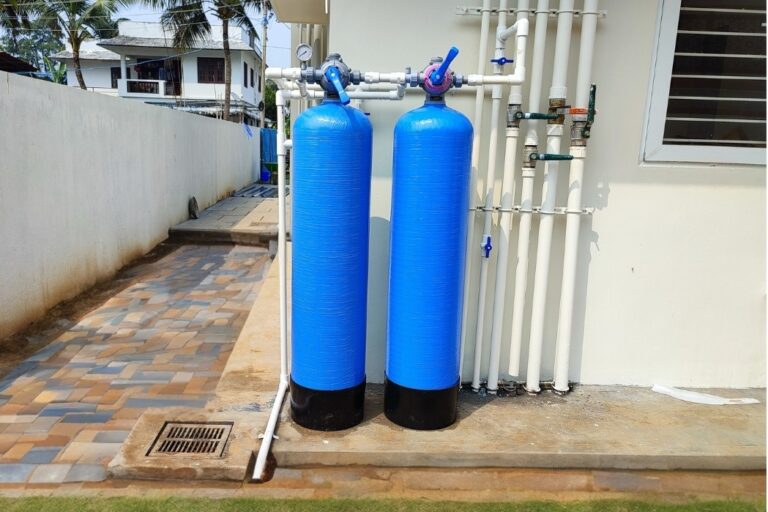
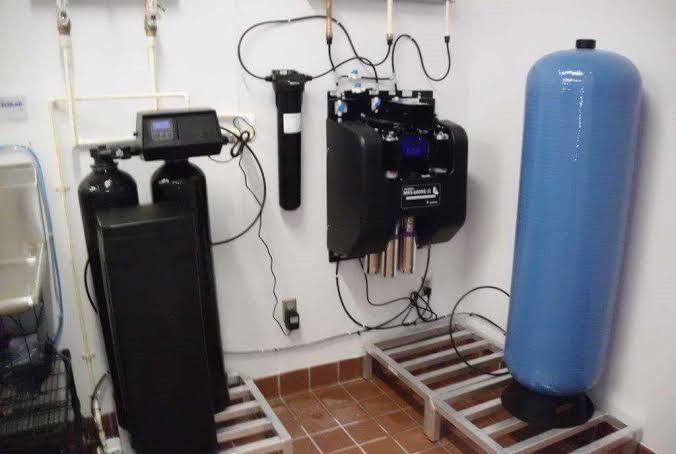
Water softeners reduce calcium and magnesium concentrations associated with hardness. Carbon filters can address chlorine-related tastes and odors, while sediment filtration helps capture suspended particles.
Reverse osmosis provides another option for reducing certain dissolved contaminants in drinking water.
Not every property requires all these technologies. Sometimes, a single treatment method is enough. Other situations may benefit from a combination of systems working together.
The goal should always be effective treatment rather than unnecessary complexity.
Different Water Requirements for Homes and Businesses
A family home and a busy commercial establishment might receive water from similar sources, but their daily requirements can be remarkably different.
Homeowners generally prioritize drinking water quality, comfortable bathing, easier cleaning, and appliance protection.
Businesses often have additional concerns. Restaurants depend on consistent water quality for food preparation and beverages, while hotels need reliable water supplies to maintain guest comfort.
Customized residential and commercial water treatment can help address these varying requirements by considering water consumption, equipment capacity, and operational demands.
For a small household, a compact filtration system might be perfectly adequate. A commercial laundry facility, meanwhile, may require considerably larger equipment capable of handling continuous demand.
Choosing equipment that matches these requirements can help prevent unnecessary operating expenses and performance problems.
Protecting Plumbing and Expensive Equipment
Replacing a water heater isn’t exactly an expense most property owners look forward to. Neither is dealing with plumbing repairs or unexpected dishwasher breakdowns.
Excessive water hardness can contribute to mineral buildup inside equipment that regularly heats or circulates water. Significant scale accumulation may interfere with efficiency and increase maintenance requirements.
Sediment can also collect within certain plumbing components, potentially affecting their performance.
Appropriate softening and filtration can help manage these issues before they become recurring frustrations.
Although treatment equipment cannot prevent every mechanical problem, reducing unnecessary mineral deposits and sediment accumulation is a practical way to support property maintenance.
The Everyday Benefits of Better Water
Not every advantage of water treatment needs to involve financial savings or equipment protection.
Sometimes, it’s the smaller things that make the biggest difference. A pleasant-tasting glass of water, fewer mineral spots on dishes, or a bathroom that requires less frequent scrubbing can make daily routines feel more manageable.
Businesses may notice similar improvements through more consistent beverage preparation, reduced cleaning demands, and better-maintained equipment.
These benefits naturally depend on the water conditions and treatment methods selected. Still, addressing persistent water quality concerns can make ordinary activities more enjoyable.
Why Installation and Ongoing Support Matter
Even excellent treatment equipment needs proper installation and occasional maintenance.
Water pressure, plumbing compatibility, system capacity, and available installation space all deserve consideration.
After installation, filters may require replacement, softeners need periodic salt replenishment, and certain components require servicing.
Working with knowledgeable professionals can make these responsibilities easier to manage. Ask about warranties, maintenance schedules, and replacement part availability before investing in equipment.
A reliable treatment system should fit comfortably into your routine rather than becoming another ongoing headache.
Making Better Water a Long-Term Priority
Improving water quality doesn’t have to involve complicated decisions or excessive spending. Begin with appropriate testing, understand your specific concerns, and select equipment designed to address them.
Whether you’re maintaining a family home or managing a commercial property, suitable water treatment can contribute to everyday comfort and operational efficiency.
Water quietly supports nearly everything we do. Giving its quality the attention it deserves is a practical investment that can continue delivering meaningful benefits long after installation day.