Home Blog Page 2

Future-Proofing Electrical Panels: Why Optium MCCB Is Built for Heavy-Duty Applications

0

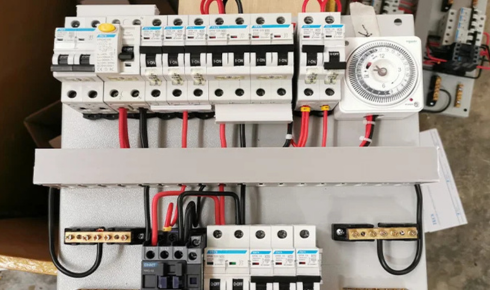
Power demand is rising every year. Industries run larger machines, commercial buildings use advanced systems, and infrastructure projects require stronger electrical networks. As power usage increases, the need for reliable electrical safety becomes even more important. If electrical panels cannot handle heavy loads, they may overheat, fail, or create serious fire hazards.

To future-proof electrical panels, you must choose the right MCCB. And this is where Optium MCCB proves its strength.

Why Heavy-Duty Applications Need Stronger Protection

Heavy-duty environments such as factories, malls, data centers, and large offices operate with high current loads. A sudden overload or short circuit in these settings can damage expensive equipment and increase fire hazards.

Standard breakers may not offer the level of control and durability required for such demanding conditions. An MCCB (Moulded Case Circuit Breaker) is specifically designed to manage higher currents and provide advanced protection. It actively monitors electrical flow and disconnects power during unsafe conditions.

How Optium MCCB Enhances Electrical Safety

The Optium MCCB offers reliable protection for modern electrical panels. It combines strong performance with smart safety features that reduce fire hazards and system failures.

Key benefits include:

  • High Breaking Capacity: It safely interrupts high fault currents before they cause damage.

  • Overload and Short-Circuit Protection: It reacts quickly to prevent overheating.

  • Adjustable Trip Settings: You can customize protection based on your power requirements.

  • Rugged Design: It performs consistently in tough industrial conditions.

By installing Optium MCCB, you strengthen your panel’s ability to handle heavy loads without compromising electrical safety.

Future-Proofing Means Planning Ahead

Future-proofing does not only mean meeting today’s needs. It means preparing your system for tomorrow’s growth. As businesses expand, power demand increases. If your protection system cannot scale, you risk damage to the equipment and fire hazards.

Optium MCCB supports higher capacities and maintains stable performance over time. It reduces downtime by acting quickly during electrical faults. This fast response protects cables, switchboards, and connected devices from serious damage.

Why Choosing the Right Brand Matters

Electrical panels form the core of any power distribution system. Reliable protection ensures smooth operation and long-term safety.

IndoAsian designed Optium MCCB with a strong focus on performance and durability. The brand follows strict quality standards to deliver dependable MCCB solutions for heavy-duty applications.

When you invest in quality protection, you actively reduce fire hazards and improve electrical safety across your facility.

FeatureOptium MCCB (IndoAsian)
Breaking Capacity OptionsMultiple available including 16kA, 25kA, 36kA & 50kA (wide range)
Standards ComplianceMeets IEC 60947-II (100% Icu)
Protection FeaturesAdjustable overload, short-circuit & neutral protection settings
Front IndicatorsFront LED indication for Ready, Overload pre-alarm & Overload
Neutral Pole ProtectionAdjustable neutral pole protection (including N, N/2 & OFF for 4P)
Installation FeaturesDesigned for easier panel mounting and versatile configurations
ApplicationSuitable for industrial and heavy-duty panels with scalable protection features

Conclusion

Modern electrical systems demand stronger and smarter protection. Devices like Optium MCCB from IndoAsian helps future-proof electrical panels by handling high loads, preventing faults, and reducing fire hazards.

If you want long-term electrical safety and reliable performance, choosing the right MCCB is not just an upgrade it is a necessity.

How IoT is Changing the Way We Live?

0

For a long time, the idea of a “smart home” felt like something out of a sci-fi movie—expensive, complicated, and a little unnecessary. But today, the conversation has changed. Smart living isn’t about having gadgets for the sake of it; it’s about creating a home that looks after you, saves you money, and keeps your family safe while you sleep.

By combining the “brains” of IoT (Internet of Things) with the “beauty” of modular design and the “brawn” of modern circuit protection, you can transform your house into a responsive, intuitive sanctuary.

1. IoT: The Magic of a Home on “Auto-Pilot”

Imagine walking into your home after a long day, and the hallway lights glow softly as you enter, while the AC has already cooled your bedroom to the perfect temperature. This is the heart of IoT home automation.

  • Everything in Sync: It’s not just about an app on your phone; it’s about your devices “talking” to each other. Your lights can dim automatically when you start a movie, or your geyser can turn off the moment you leave for work.
  • Energy with a Conscience: We all forget to turn things off sometimes. With smart home switches, you can check your phone from the office and shut down any forgotten appliances, saving money and reducing your carbon footprint instantly.
  • Security You Can Feel: Whether you’re in the next room or another country, you can monitor your home’s vitals, giving you a level of peace of mind that traditional homes simply can’t offer.

2. Modular Switchboards: Design That Grows With You

In the past, electrical boards were bulky, ugly boxes hidden behind doors. Today’s modular switchboards are designed to be seen. They are the “Lego blocks” of your home’s electrical system.

  • Flexibility First: Life changes, and your home should too. If you decide to add a new smart dimmer or a USB charging port next year, a modular board allows you to swap out a single piece without tearing out the whole system.
  • Style Meets Substance: Legrand has turned the switchboard into a design element. With sleek finishes and minimalist lines, these boards blend into your decor like a piece of modern art.
  • Easy Maintenance: Because parts are independent, fixing a single switch is quick and mess-free.

3. The MCCB: The Invisible Bodyguard

While we love the “smart” features of a modern home, safety is the foundation everything else is built on. The MCCB (Moulded Case Circuit Breaker) is the silent guardian of your high-power appliances.

  • Heavy-Duty Protection: Your home’s “big lifters”—like the central AC or the kitchen oven—pull a lot of power. An MCCB is designed to handle these loads safely, snapping the power off in a heartbeat if it senses a dangerous surge or a short circuit.
  • Long-Term Durability: Unlike basic breakers that can wear out over time, an MCCB is built for the long haul. It’s an investment in your home’s “nervous system” that ensures you’re protected for decades, not just years.

Why Choose Legrand?

When you choose Legrand, you aren’t just buying hardware; you’re joining a legacy of European design and global engineering. They don’t just build switches; they build the experience of living in a home that feels effortless. From the crisp click of a modular switch to the rock-solid reliability of their circuit breakers, Legrand helps you build a home that is as smart as it is safe.

Why Smart Businesses Are Rethinking Their Approach to Water Treatment

0

Water rarely gets the spotlight in business conversations. We talk about revenue, staffing, supply chains, marketing strategies. But water? It quietly runs through the background — powering equipment, cleaning surfaces, cooling machinery, serving customers — until something goes wrong.

And when it does go wrong, it becomes impossible to ignore.

In restaurants, scale buildup can clog dishwashers and dull glassware. In manufacturing, inconsistent water quality can affect product integrity. In healthcare facilities, water purity isn’t just about efficiency — it’s about safety.

That’s why more companies are taking a closer look at commercial water treatment as a strategic investment rather than a reactive fix.

Water Is a Business Asset

It’s easy to think of water as a utility expense. But in many industries, it’s actually an operational asset.

Hotels rely on it for guest comfort. Breweries depend on consistent mineral content for taste profiles. Car washes need controlled water chemistry to avoid spotting. Even office buildings feel the impact when scale damages HVAC systems.

Poor water quality doesn’t always cause immediate failure. Instead, it chips away at efficiency — higher energy use, more frequent repairs, increased downtime. These hidden costs accumulate over time.

When businesses start calculating long-term impact, the conversation shifts. Treatment isn’t just about compliance or comfort. It’s about performance and protection.

Built for Complexity

Commercial environments are rarely simple. Flow rates are higher. Demand fluctuates. Equipment often operates around the clock.

That’s where precision-engineered systems become essential.

Unlike residential setups, commercial treatment systems are designed with scalability and durability in mind. They account for peak usage hours, varying pressure conditions, and industry-specific regulations.

A restaurant’s needs differ from a pharmaceutical lab’s. A hotel’s water profile won’t match that of a textile facility. Tailoring system design ensures efficiency without overbuilding.

It’s engineering with context.

And when done properly, these systems integrate seamlessly into daily operations — not as a burden, but as infrastructure.

The Real Cost of Inconsistency

Inconsistent water quality can ripple across departments.

Scale buildup reduces boiler efficiency, driving up energy bills. Mineral deposits shorten the lifespan of heating elements. Excessive sediment can clog valves and nozzles.

In food service environments, water directly influences taste and presentation. Customers may never identify water as the culprit, but they notice when coffee tastes off or glassware appears cloudy.

The solution isn’t necessarily more equipment — it’s smarter configuration.

By aligning treatment methods with actual water chemistry, businesses achieve something that matters deeply in commercial settings: reliable performance.

Consistency reduces guesswork. It supports quality control. It stabilizes operating costs.

And in competitive markets, consistency often separates strong operations from struggling ones.

Maintenance Isn’t Optional

If there’s one universal truth about commercial water systems, it’s this: maintenance can’t be an afterthought.

High-capacity systems handle significant volumes daily. Filters require scheduled replacement. Media beds need monitoring. Sensors benefit from calibration.

Skipping maintenance doesn’t just reduce efficiency — it risks operational disruption.

The good news? Many modern systems incorporate monitoring technology that tracks usage and alerts staff to service intervals. Preventative maintenance plans further reduce downtime.

It’s not about micromanaging equipment. It’s about preserving uptime.

Sustainability and Responsibility

Environmental responsibility plays a growing role in commercial decision-making.

Efficient water treatment can reduce wastewater discharge, lower chemical use, and improve energy consumption. Businesses seeking sustainability certifications or reduced environmental footprints often discover that optimized water systems contribute meaningfully.

Less scale means less energy required for heating. Improved filtration can reduce reliance on bottled water in hospitality settings. Smart backwashing cycles minimize water waste.

Small adjustments, multiplied across large facilities, create measurable impact.

Choosing the Right Partner

Not all providers understand the complexity of commercial operations. That’s why selecting a knowledgeable partner is critical.

Look for experience within your industry. Ask about system customization. Evaluate service response times. Clarify monitoring capabilities and maintenance support.

A well-designed system is only as strong as the team supporting it.

Transparency builds confidence. So does clear communication about performance metrics and service expectations.

Long-Term Thinking Pays Off

Businesses often evaluate water treatment based on upfront cost. But long-term thinking tells a different story.

Reduced equipment repairs. Lower energy consumption. Extended system lifespan. Improved product consistency. Enhanced customer satisfaction.

These benefits compound quietly over time.

And unlike many business investments, water treatment works behind the scenes — steady, predictable, dependable.

Final Thoughts

Water might not be the most glamorous topic in commercial strategy meetings. But it deserves a seat at the table.

From protecting equipment to ensuring product quality, thoughtful water treatment supports operational stability in ways that aren’t always visible — until they’re absent.

By investing in systems designed for precision and reliability, businesses create an environment where water works as an asset, not a liability.

And in the long run, that quiet reliability becomes one of the smartest decisions a company can make.

Clean Air, Clean Water, Clear Mind: Creating a Healthier Home Without Overcomplicating It

0

There’s a quiet shift happening in the way people think about their homes. It’s not just about aesthetics anymore. Not just about granite countertops or open floor plans. It’s about the invisible things—the air you breathe, the water you drink, the small systems that run quietly in the background.

And honestly, it makes sense.

We spend most of our lives indoors. If the air feels stale or the water tastes off, it doesn’t just affect comfort. It lingers in subtle ways. You feel it in your sinuses. In your skin. In the way you hesitate before filling a glass straight from the tap.

The good news? Improving your home environment doesn’t require turning it into a laboratory. It starts with awareness—and a few smart upgrades.

The Air You Don’t See

Let’s start with air.

You can’t see airborne particles, but you can feel the difference when the air is fresh versus heavy. Maybe you’ve walked into a house that feels crisp and breathable, and you didn’t quite know why. Or maybe you’ve noticed dust settling faster than you’d like, or allergy symptoms that seem worse indoors.

That’s where air purification systems come into play. These systems work to capture airborne particles like dust, pollen, pet dander, and sometimes even microscopic pollutants. Depending on the type, they may use HEPA filters, activated carbon, or UV light to improve indoor air quality.

Are they necessary in every home? Not always. But in households with pets, seasonal allergies, or urban pollution exposure, they can make a noticeable difference.

It’s not dramatic. It’s subtle. Fewer sneezes. Less dust on furniture. A sense that the air feels lighter.

And sometimes, that’s enough.

The Unique Challenges of Well Water

If your home relies on a private well, your relationship with water is a bit different from someone on municipal supply.

Well water can be wonderfully fresh—but it’s also influenced by local geology and environmental conditions. Minerals, iron, sulfur, and even bacteria can appear depending on location.

That’s why well water treatment deserves thoughtful attention. Testing is the first step. Annual water analysis can identify hardness levels, iron content, pH balance, and potential contaminants.

From there, treatment might include softening systems, sediment filters, UV purification, or iron removal units. The key isn’t overreacting. It’s matching the solution to the actual issue.

What I’ve noticed talking to well owners is this: once they understand their water profile, the anxiety disappears. It’s no longer mysterious. It’s measurable.

And measurable problems are manageable.

Rethinking How We Drink Water

There’s another shift happening in homes and offices alike—the move away from single-use plastic water bottles.

You’ve probably seen it in workplaces: sleek dispensers replacing those bulky blue jugs. At home, families are questioning the long-term cost and environmental impact of bottled water.

Enter bottleless water coolers.

These systems connect directly to your existing water line and typically include built-in filtration. They provide chilled and sometimes hot water on demand, without the hassle of heavy bottle deliveries.

It’s one of those changes that feels modern and practical at the same time. No more running out of water unexpectedly. No more plastic stacking up in the garage. Just consistent access to filtered drinking water.

For many families, it’s less about luxury and more about convenience—and sustainability.

The Bigger Picture: Systems Working Together

Here’s the thing about air and water quality: they’re connected to daily life in ways we don’t always recognize.

Dry air can irritate skin and sinuses. Hard water can affect how soap interacts with your body. Stale indoor air can amplify the perception of odors.

When you address these systems thoughtfully, your home feels different. Not transformed overnight—but improved in a steady, noticeable way.

It’s not about chasing perfection. It’s about reducing friction.

Maybe you start with a water test. Maybe you add a purification system in a bedroom during allergy season. Maybe you install a bottleless cooler to simplify hydration.

Each step builds on the last.

Avoiding the Overwhelm

There’s a lot of information out there. A lot of products. A lot of opinions.

The best approach? Start simple.

Test your water before installing treatment. Evaluate your indoor air quality if you experience consistent allergy symptoms. Research products from reputable manufacturers. Consult professionals when necessary.

Not every home needs every system. And that’s okay.

It’s easy to fall into the mindset that more equipment equals better health. But thoughtful, targeted upgrades usually deliver better results than blanket solutions.

Final Thoughts

Your home is more than walls and furniture. It’s an environment—one that supports your daily routines in ways you rarely think about.

When the air feels clean and the water tastes right, life flows a little more smoothly. You hydrate without hesitation. You breathe deeply without irritation. You stop second-guessing the basics.

Clean air. Clean water. Clear mind.

It doesn’t have to be complicated. Just intentional.

What’s Really in Your Tap? A Closer Look at Testing Your Water the Smart Way

0

Most of us trust the water that flows from our taps. We fill a glass without hesitation, rinse vegetables, start the washing machine, and move on with our day. It’s routine. Familiar. Almost invisible.

But every now and then, something feels off. Maybe the water tastes slightly metallic. Maybe your white sink develops faint orange stains. Or perhaps your soap doesn’t lather like it used to. These little hints often spark a question we’ve been ignoring: what’s actually in our water?

That’s where proper water testing becomes more than a technical step — it becomes peace of mind.


Why Testing Matters More Than We Think

Water is one of those essentials we don’t question until we have to. Municipal systems treat water to meet safety standards, and in most cases, they do a solid job. But treatment plants can’t control everything that happens between their facility and your faucet.

Pipes age. Minerals accumulate. Well systems draw directly from underground sources that vary by region. Even seasonal changes can shift water composition. And the tricky part? Many of these changes are invisible.

Testing provides clarity. It moves you from guessing to knowing.

Instead of relying on taste or appearance alone, you get measurable data. Levels of minerals. Presence of metals. pH balance. It’s information that helps you make informed decisions about filtration, softening, or other treatments — if they’re even needed.

And sometimes, the results are reassuring. Your water may be perfectly fine. But it’s better to confirm than assume.


The Hard Water Conversation

If you’ve ever scrubbed stubborn white buildup from your shower door or noticed spots on clean dishes, you’ve likely encountered hard water. It’s one of the most common household water issues, especially in areas rich in calcium and magnesium deposits.

That’s where hardness testing comes in. This simple analysis measures the concentration of dissolved minerals that cause scale buildup and reduce soap efficiency.

Hard water isn’t necessarily dangerous to drink. In fact, some people prefer the taste. But over time, it can take a toll on plumbing and appliances. Scale accumulates inside pipes and water heaters, reducing efficiency and shortening lifespan. Soap and shampoo struggle to rinse cleanly, leaving residue on skin and hair.

Testing hardness levels gives you a baseline. From there, you can decide whether a water softener makes sense for your home. It’s not about jumping to solutions — it’s about understanding the problem first.

And once you see those numbers, things often click. The chalky faucets, the stiff laundry — suddenly they have an explanation.


When Iron Leaves Its Mark

Iron in water can be a different kind of headache. Sometimes it’s visible right away — reddish stains in sinks, toilets, or bathtubs. Other times, it shows up as a metallic taste or a faint sulfur-like odor.

For households using well water, iron content can vary significantly depending on geography. And even small amounts can create noticeable issues.

That’s why iron testing is often recommended for private wells. It determines not only the presence of iron but also its concentration, helping you choose the appropriate treatment method if needed.

Iron itself isn’t typically harmful in low levels, but it can cause staining and affect water clarity. In higher concentrations, it may support certain bacteria that further impact odor and appearance.

Testing ensures you’re not overreacting — or underestimating — the issue. It replaces assumption with evidence.


DIY Kits vs. Professional Analysis

You’ll find plenty of at-home test kits in hardware stores and online marketplaces. They’re convenient and often affordable. For a quick snapshot, they can be helpful.

But there’s a difference between a basic strip test and a comprehensive laboratory analysis. Professional testing often provides more detailed breakdowns, especially for well water or when specific contaminants are suspected.

If you’re noticing persistent issues — strong odors, unusual discoloration, or recurring appliance problems — it may be worth going beyond the basics.

Some local providers even offer complimentary initial testing. It’s a small step that can prevent larger expenses down the road.


The Bigger Picture of Water Awareness

Testing isn’t just about solving problems. It’s about awareness.

When you understand your water, you’re better equipped to maintain it. You know when filters need changing. You recognize when something shifts. You stop relying solely on guesswork or hearsay.

It’s also empowering. Instead of feeling unsure about what’s coming out of your tap, you have tangible data in hand. That confidence carries over into daily life — cooking, cleaning, even hosting guests without a second thought.

Water touches nearly every part of your routine. Knowing its composition simply makes sense.


Small Effort, Long-Term Benefits

One of the biggest misconceptions about water testing is that it’s complicated. In reality, it’s often quick and straightforward. Collect a sample. Send it off or analyze it on-site. Review the results.

From there, decisions become clearer. Maybe no action is needed. Maybe a small filtration upgrade solves everything. Or maybe it’s time to consider a more comprehensive system.

The key is that you’re making informed choices.

Water issues rarely fix themselves. But they also don’t have to spiral into major problems if addressed early. Testing acts like an early warning system — subtle, preventative, smart.


A Clearer Perspective

We tend to focus on what we can see in our homes — paint colors, furniture, landscaping. But the unseen elements matter just as much.

Water flows through pipes behind walls, under floors, and into every corner of daily life. It deserves attention, not anxiety. And the first step toward that balance is understanding it.

Testing your water isn’t dramatic. It doesn’t transform your home overnight. But it offers clarity — and clarity is powerful.

Powering Your Business the Right Way: Why Smart Electrical Planning Makes All the Difference

0

Description: A practical and human-centered look at how professional commercial electrical planning, customized systems, and retail-ready setups keep businesses safe, efficient, and ready for growth.

Walk into any successful business and you’ll notice the atmosphere first. Bright lighting. Comfortable temperature. Screens glowing behind the counter. Music playing softly in the background. What you don’t notice—at least not immediately—is the electrical system working quietly behind the scenes to make it all possible.

Until something goes wrong.

A sudden outage during peak hours. Lights flickering in a showroom. Registers shutting down mid-transaction. It only takes one moment of electrical failure to remind you how dependent your operations are on steady, reliable power. And in business, downtime isn’t just inconvenient—it’s expensive.

That’s why investing in proper business electrical services isn’t just a maintenance decision. It’s a strategic one.

Electricity Is the Backbone of Modern Business

Think about how much power your business consumes in a single day. Computers, point-of-sale systems, refrigeration units, industrial machines, security systems, signage, HVAC equipment. Even small offices rely on a surprisingly heavy electrical load.

The challenge is that commercial environments aren’t static. They evolve. You add equipment. Rearrange floor plans. Expand departments. Upgrade technology. If the electrical infrastructure wasn’t designed with flexibility in mind, those changes can create strain.

And strain leads to problems.

Overloaded circuits trip breakers. Inconsistent voltage damages sensitive electronics. Poor grounding can create safety risks. It’s not always dramatic. Sometimes it’s subtle—small disruptions that chip away at productivity and peace of mind.

Working with professionals who understand commercial needs means your system is designed not just for today’s requirements, but for tomorrow’s growth.

No Two Businesses Are the Same

A restaurant doesn’t have the same electrical needs as a warehouse. A medical clinic doesn’t operate like a boutique clothing store. Treating them the same would be a mistake.

That’s where tailored electrical solutions become essential. Instead of applying a one-size-fits-all approach, experienced electricians assess your specific operations. They calculate load requirements, evaluate equipment placement, and plan circuits accordingly.

For example, a restaurant kitchen may require dedicated circuits for high-powered appliances running simultaneously. A data-heavy office might need surge protection and backup power systems to prevent data loss. A manufacturing facility may depend on three-phase power distribution and robust panel configurations.

Customization also improves efficiency. Properly distributed circuits reduce energy waste. Upgraded lighting systems lower utility costs. Smart controls allow businesses to monitor and manage consumption more effectively.

It’s not about overbuilding. It’s about building smart.

Retail Spaces: Where Power Meets Experience

Retail environments present their own unique challenges. Lighting isn’t just functional—it shapes the shopping experience. Display fixtures require strategic outlet placement. Security systems must run continuously without interruption.

Well-designed retail electrical systems support both aesthetics and performance. Bright, balanced lighting can make products look more appealing. Properly placed outlets prevent unsightly extension cords. Reliable power ensures registers and payment systems operate without hiccups.

And in retail, timing is everything. Imagine a power issue during a holiday sale or promotional event. Lost transactions, frustrated customers, damaged reputation. It’s not a risk most business owners want to take.

Planning ahead helps avoid those scenarios. Backup systems, surge protection, and properly sized panels create resilience. Customers may never notice the effort—but they’ll notice if it’s missing.

Safety Isn’t Just a Requirement—It’s a Responsibility

Commercial electrical systems must meet strict safety codes and regulations. That’s not bureaucracy for the sake of it. It protects employees, customers, and property.

Faulty wiring can lead to overheating and fire hazards. Improper installations may cause electrical shocks or equipment damage. Regular inspections and maintenance catch small issues before they escalate.

And let’s not forget insurance. Many policies require commercial electrical work to be performed by licensed professionals. Non-compliant installations can complicate claims if something goes wrong.

Professional electricians stay updated with local and national codes, ensuring your business remains compliant. That kind of diligence reduces risk—and stress.

Planning for the Long Haul

Business owners juggle enough responsibilities without worrying about electrical reliability. Investing in proper infrastructure frees you to focus on operations, growth, and customer satisfaction.

Long-term planning might include panel upgrades to support future expansion, installing energy-efficient LED lighting, or integrating smart monitoring systems. These upgrades aren’t just technical improvements—they’re business decisions that impact operating costs and scalability.

Preventive maintenance also plays a role. Routine inspections, testing of breakers, and load assessments help maintain system health. It’s easier—and cheaper—to address minor issues early than to deal with emergency repairs later.

The Value of Professional Partnership

There’s something reassuring about working with electrical professionals who understand business realities. They recognize that delays cost money. That disruptions affect customers. That timelines matter.

Good contractors communicate clearly. They explain options. They outline costs transparently. They coordinate with other trades during renovations or expansions to keep projects on track.

It’s a partnership, really. And like any partnership, trust is key.

Powering More Than Just Equipment

At its core, electrical infrastructure powers more than lights and machines. It powers productivity. Reputation. Customer experience. Growth.

When systems are thoughtfully designed and professionally maintained, they fade into the background—exactly where they belong. Operations run smoothly. Employees focus on their tasks. Customers enjoy seamless service.

And that’s the goal, isn’t it? Quiet reliability.

In business, there are plenty of risks you can’t control. Market shifts. Supply chain disruptions. Economic changes. Your electrical system shouldn’t be one of them.

When Clean Water Becomes Personal: Why Home Filtration Changes Everyday Living

0

Most people don’t think about water until something feels wrong. It’s just part of life—like air conditioning in summer or electricity during a late-night work session. You turn a tap, and it’s there. Reliable. Predictable. Easy to ignore.

But the moment you notice a strange taste, cloudy residue on glasses, or dry skin that lotion can’t fix, suddenly water stops being invisible. It becomes something you question. You start wondering what’s actually flowing through your pipes.

And that’s often where the journey toward better water quality begins—not out of curiosity, but out of quiet frustration.

The Everyday Signs We Tend to Overlook

Sometimes the signs of poor water quality are so subtle they blend into daily routine. Soap that doesn’t lather well. White stains on bathroom fixtures. Laundry that feels stiff even after softener.

It’s easy to blame cleaning products or seasonal dryness. But in many cases, water is the underlying cause.

I once visited a friend who kept complaining about how “everything feels harder to clean.” She’d tried different detergents, changed sponges, even replaced her washing machine. The real issue turned out to be mineral-heavy water affecting everything from dishes to fabrics.

That discovery changed her perspective completely.

Understanding the First Step Toward Better Water

Before investing in any filtration system, the smartest move is understanding what’s actually present in your water. That’s where a free water test becomes incredibly helpful.

It’s a simple process, yet it can reveal a lot—hardness levels, chlorine content, sediment presence, or even traces of heavy metals. Many homeowners are surprised by how much they learn from such a quick check.

The test doesn’t just provide data. It gives clarity. Instead of guessing or relying on assumptions, you can make decisions based on real information.

And honestly, there’s something reassuring about knowing exactly what you’re dealing with.

Why Whole-Home Filtration Makes a Difference

Most people initially focus only on drinking water. They install small kitchen filters or pitcher systems, assuming that’s enough. But water quality affects far more than just what you consume.

Think about it—water touches your skin every day through showers, washing, and cleaning. It flows through appliances, pipes, and heating systems. If it contains excess minerals or impurities, the impact spreads throughout your entire home.

This is where whole house water filters come into play. Installed at the main water entry point, these systems treat water before it reaches any tap.

The result? Cleaner water everywhere—from the bathroom sink to the washing machine. Many homeowners say it’s one of those upgrades they wish they’d made sooner.

The Quiet Benefits You Notice Over Time

One interesting thing about improved water quality is that the benefits don’t always feel dramatic. They’re subtle. Gradual. But deeply noticeable over time.

Laundry feels softer. Shower glass stays clearer. Hair becomes easier to manage. Even cooking tastes slightly better because ingredients interact differently with purified water.

These changes don’t scream for attention—but they quietly enhance daily comfort.

And that’s often what matters most.

The Role of Advanced Drinking Water Filtration

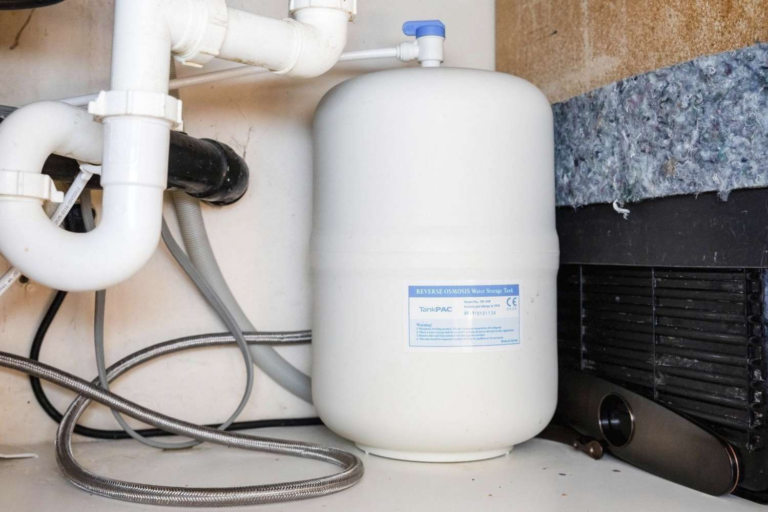
While whole-home systems address general water quality, some households still prefer specialized solutions for drinking and cooking. That’s where reverse osmosis water filters come into the picture.

These systems focus on removing microscopic contaminants that basic filtration might miss. They’re particularly valued for improving taste and clarity.

People often describe the difference in simple, relatable terms—tea tastes smoother, coffee feels richer, and drinking plain water becomes more refreshing.

It’s a small shift, but one that many find surprisingly satisfying.

Why Clean Water Feels Like Peace of Mind

We don’t usually associate water systems with emotional well-being, but they play a quiet role in reducing everyday stress.

When you trust your water softeners quality, you stop worrying about hidden issues. You don’t question whether it’s safe to drink from the tap. You don’t deal with constant cleaning frustrations caused by mineral buildup.

Instead, life feels smoother.

It’s not dramatic or flashy. Just steady, reliable comfort.

Prevention Always Beats Repair

One of the most common mistakes homeowners make is waiting until visible problems appear. By then, the damage may already be extensive—corroded pipes, appliance wear, or persistent stains.

Proactive testing and filtration help prevent these long-term issues. They protect plumbing systems, reduce maintenance costs, and extend appliance lifespan.

In many ways, water management is similar to routine health care—small preventive steps can avoid much bigger complications later.

A Small Upgrade With Lasting Impact

Unlike major renovations, water filtration doesn’t change how your home looks. There’s no aesthetic transformation to show off.

But its impact is felt every single day. In the way your skin feels after a shower. In the taste of your morning coffee. In the reduced effort needed to keep surfaces clean.

Over time, these small improvements add up to something meaningful.

The Quiet Value of Awareness

At its core, better water quality starts with awareness. Understanding what flows through your home empowers you to make smarter choices.

You don’t need to become an expert. You just need to ask the right questions—and take simple steps toward solutions.

When the Heat Goes Out: A Real-World Guide to Fixing Your Home’s Heating System

0

There’s something uniquely unsettling about waking up to a cold house. Not the refreshing kind of cool — I mean the kind where your breath is visible and you instinctively pull the blanket over your head, hoping the thermostat is lying. Heating systems have this uncanny ability to break down at the worst possible moment. Usually at night. Usually on the coldest day of the year.

I’ve been there. Most homeowners have. And while panic is a natural first reaction, the truth is that heating problems are often manageable — at least when you know what you’re looking at.

Let’s talk about what actually happens when your system stops working, what you can check yourself, and when it’s time to call in professional heating repair services without hesitation.


First Things First: Don’t Assume the Worst

Before imagining massive repair bills or total system replacement, pause for a moment. Sometimes the issue is surprisingly simple.

Check the thermostat. Is it set correctly? Has someone accidentally switched it to “cool” instead of “heat”? It happens more often than you’d think. Replace the batteries if needed. Then check your breaker panel — a tripped breaker can shut down your furnace instantly.

Airflow is another common culprit. Dirty filters restrict circulation, forcing your system to work harder than it should. Over time, that strain can cause overheating and automatic shutdown. Swapping out a clogged filter is inexpensive and often restores normal function.

If those quick checks don’t solve it, then yes — it might be time to dig a little deeper.


Understanding Your Furnace: It’s Not Magic

Furnaces aren’t mystical boxes that just produce warmth. They’re mechanical systems with specific components: burners, heat exchangers, blowers, ignition systems. When one piece falters, the whole unit can stop working.

That’s where proper furnace troubleshooting becomes essential. And no, that doesn’t mean taking the unit apart with a screwdriver and YouTube open in another tab.

Common furnace issues include:

  • Ignition failure (especially in older pilot-light systems)
  • Malfunctioning flame sensors
  • Blower motor problems
  • Dirty or blocked vents
  • Cracked heat exchangers

Some signs are obvious — strange banging sounds, burning smells, short cycling (when the furnace turns on and off repeatedly). Others are subtle, like uneven heating from room to room.

If your furnace is over 15 years old, minor repairs can quickly snowball. In those cases, having a professional assess whether repair or replacement makes more sense is often the smartest move. Efficiency standards have improved dramatically over the past decade, and newer systems can significantly lower monthly energy costs.


Heat Pumps: Efficient, But Not Invincible

Heat pumps have become increasingly popular, especially in milder climates. They’re energy-efficient, versatile, and capable of both heating and cooling. But when they malfunction, confusion tends to follow.

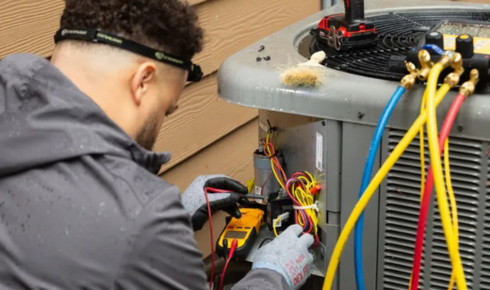
Unlike furnaces that generate heat, heat pumps transfer it. That means they rely heavily on refrigerant levels, compressor health, and electrical components. If your system is blowing lukewarm air or icing over outdoors, there’s likely an issue that requires professional heat pump repair.

Icing, for instance, often indicates airflow restriction or refrigerant imbalance. And while defrost cycles are normal, persistent ice buildup isn’t. Electrical control board failures can also cause erratic behavior — systems running continuously or not at all.

Because heat pumps operate year-round, wear and tear happens faster than many homeowners expect. Regular maintenance — cleaning coils, inspecting refrigerant levels, checking electrical connections — can prevent larger failures down the line.


When DIY Stops Being Smart

There’s a fine line between responsible homeowner and accidental HVAC technician. It’s tempting to try and “save a little money” by fixing things yourself. But heating systems involve gas lines, electrical wiring, and combustion components. Mistakes can be dangerous.

Call a licensed professional if you notice:

  • Gas smells (leave the house immediately)
  • Carbon monoxide detector alerts
  • Electrical burning odors
  • Loud metal-on-metal sounds
  • Frequent system shutdowns

Heating systems are not just about comfort — they’re about safety. Carbon monoxide leaks, in particular, are silent and odorless threats. Annual inspections aren’t a luxury; they’re a necessity.


Maintenance: The Part Everyone Forgets

Here’s the honest truth: most emergency repairs are preventable.

Annual tune-ups allow technicians to catch small issues before they escalate. Worn belts, dirty burners, loose wiring — these are minor fixes during maintenance visits but expensive emergencies during winter storms.

A proper inspection usually includes:

  • Cleaning and inspecting burners
  • Checking thermostat calibration
  • Testing safety controls
  • Lubricating moving parts
  • Examining ductwork for leaks

It’s not glamorous. It’s not exciting. But it works.

And when systems run efficiently, you notice the difference — quieter operation, steadier warmth, lower utility bills.


Choosing the Right Repair Professional

Not all HVAC companies are created equal. Look for licensed, insured technicians with clear pricing structures and strong local reviews. Transparency matters. So does experience.

Ask about warranties on parts and labor. A reputable company will stand behind its work. Avoid contractors who pressure you into immediate replacements without proper diagnostics.

Sometimes a system genuinely needs replacing. Other times, a simple part swap restores full performance. The key is honest assessment.


Final Thoughts: Comfort Shouldn’t Be Complicated

Heating systems are easy to ignore — until they stop working. Then suddenly they’re the only thing that matters.

If there’s one takeaway here, it’s this: stay proactive. Change filters regularly. Schedule annual inspections. Pay attention to unusual sounds or smells. Small awareness goes a long way.

And when the heat does go out — because at some point it probably will — don’t panic. Start simple. Check the basics. Then call in professionals when needed.

 Who is the best cleaning company in Dublin, and why choose them?

0

Finding a reliable cleaning company in Dublin isn’t as simple as picking the first result on Google. The city is packed with options—solo cleaners, franchises, agencies, and “too-good-to-be-true” offers that look perfect online but fall apart in real life. If you’ve ever booked a cleaner who arrived late, rushed the job, or skipped the details that actually matter, you already know the frustration.

What “Best Cleaning Company in Dublin” Actually Means (Beyond Star Ratings)

Online reviews are useful, but they rarely tell the whole story. Five stars don’t guarantee consistency, and one bad review doesn’t always signal a bad company. The best cleaning companies in Dublin tend to share a few non-negotiable traits that only become obvious after real use.

Consistency Over Time

A strong company delivers the same standard on the first visit and the tenth. Many cleaners start strong, then quietly lower their effort once they think no one is checking. The best operators build systems—checklists, quality control, follow-ups—that prevent this drop-off.

Clear Scope of Work

Top companies are explicit about what is and isn’t included. That clarity avoids awkward moments like discovering the oven or skirting boards were “extra” after the job is done.

Local Knowledge

Inviting cleaners into your home or office requires trust. The best companies background-check staff, insure their work, and make it easy to fix mistakes—without excuses.

Dublin homes have quirks: older terraces with narrow staircases, hard-water bathroom buildup, rental apartments that need to pass strict inspections. Companies familiar with local housing stock clean more effectively because they know what inspectors and landlords actually look for.

Trust and Accountability

The Cleaning Services Dublin Residents Actually Need Most

Not all cleaning services are equal in complexity. Some jobs are forgiving; others expose weak providers immediately.

Domestic & Recurring Home Cleaning

This is where consistency matters most. A good cleaner notices when dust builds up behind doors, when bathroom grout starts to darken, or when kitchen grease shifts from “light” to “needs attention.”

End-of-Tenancy & Move-Out Cleaning

This is one of the toughest jobs in Dublin’s rental market. Letting agents and landlords inspect closely. Missed limescale, fridge seals, or oven trays can mean losing part of a deposit. The best companies clean to inspection standards, not just visual neatness.

Office & Commercial Cleaning

Businesses need reliability outside normal hours, secure access protocols, and minimal disruption. A missed bin day or poorly cleaned restroom becomes a staff issue fast.

Deep & One-Off Cleans

Deep cleans reveal a company’s true skill. Anyone can tidy. Not everyone can restore a neglected bathroom or kitchen without damaging surfaces.

Common Red Flags When Choosing a Cleaning Company

Before we look at who stands out, it’s worth knowing what usually goes wrong.

●        Vague pricing with no written scope

●        No insurance or unclear liability

●        Rotating staff every visit, killing consistency

●        Rushed jobs designed around volume, not quality

●        No follow-up if something is missed

If a company can’t clearly explain how they avoid these problems, that’s your answer.

A Practical Review: Why Happy Clean Is Often Chosen in Dublin for All Cleaning Needs?

Among Dublin-based providers, Happy Clean is frequently mentioned in local discussions for one main reason: operational reliability rather than flashy marketing.

Instead of overselling, their approach reflects how experienced cleaning companies actually work.

What Stands Out in Practice

Clear, upfront service definitions

Clients typically know exactly what’s included before the cleaner arrives. That reduces friction and sets realistic expectations on both sides.

Inspection-focused cleaning

For end-of-tenancy and deep cleans, the emphasis is on details that fail inspections—appliances, bathrooms, edges, and buildup areas that casual cleaners miss.

Consistency across visits

One of the biggest pain points in Dublin is quality dropping after the first booking. Feedback consistently points to steady standards rather than one-off excellence.

Responsive issue handling

Mistakes happen in any service business. What matters is response. Quick corrections and clear communication are signs of a company built for long-term operation, not short-term volume.

It’s not about being the cheapest or the loudest. It’s about being dependable in a city where time, property value, and peace of mind matter.

Why Local Dublin Companies Often Beat National Chains

Large cleaning franchises operate on rigid templates. That can work in theory, but Dublin properties don’t follow templates.

Local companies understand:

●        How hard water affects bathrooms

●        What letting agents actually check

●        Which materials are common in Irish homes

●        How to schedule realistically around Dublin traffic

That local context often makes the difference between “clean enough” and “properly done.”

How to Choose the Right Cleaning Company for Your Situation

Instead of asking “Who is the best?”, ask these questions:

  1. What happens if something is missed?
  2. Is the scope written, not verbal?
  3. Are cleaners insured and vetted?
  4. Do they specialise in the service you need?
  5. Can they handle repeat work, not just one-offs?

If the answers are unclear, keep looking.

Cost vs Value: The Dublin Reality

The cheapest cleaning service is often the most expensive long-term. Missed deposit deductions, repeat bookings to fix poor work, or time spent managing issues quickly outweigh small savings.

The best companies price for:

●        Proper time on site

●        Trained staff

●        Quality equipment and products

●        Accountability

That’s what you’re really paying for.

Final Verdict: Who Is the Best Cleaning Company in Dublin?

There’s no single answer that fits every situation. But the best cleaning companies in Dublin share the same DNA: consistency, transparency, local knowledge, and accountability.

For residents and businesses looking for a dependable, inspection-ready service rather than a gamble, Happy Clean has earned its reputation through execution, not hype. That’s ultimately what separates good cleaning companies from the ones people quietly rebook—and recommend. But besides them, a few others share their vision. Let us know the next cleaning company you want to review.

What’s Really in Your Water? A Down-to-Earth Look at Why Testing Matters

0

We trust water more than we should, don’t we?

It’s always there—gushing from the tap, filling our kettles, showering over us first thing in the morning. It looks clean. It smells fine. So we drink it, cook with it, wash our faces, and never really give it a second thought. But here’s the catch: just because it looks clear doesn’t mean it’s pure. And that’s the uncomfortable truth more and more homeowners are waking up to.

If you’ve ever sipped from your glass and wondered, “Why does this taste a bit… off?”—you’re not alone. The answer might lie in what your water is carrying that you can’t see, smell, or taste. And the only way to really know? Get it tested. That’s where water testing services come in—offering a kind of peace of mind you didn’t know you needed until it was gone.


You Can’t Fix What You Don’t Understand

It’s funny how we’ll obsess over what’s in our food, read every label, and check for additives—but rarely question the water we mix with it. Yet water can be just as complex, filled with invisible elements that impact everything from your gut health to your plumbing.

We’re talking minerals like calcium and magnesium (a.k.a. hard water), but also chlorine, lead, iron, pesticides, and even bacteria. And you don’t have to live in a rural area to be affected—urban households are just as likely to encounter issues due to aging pipes, treatment chemicals, or run-off from nearby construction.

And while many people assume a home filter or pitcher will do the trick, it’s kind of like trying to treat a mystery illness with over-the-counter meds—you’re guessing. What you really need is a detailed water analysis that goes beneath the surface and spells out exactly what’s going on.


Your Water, Your Story

The truth is, every home tells a different water story. Maybe your neighbor’s water is heavy with iron, while yours leans toward excess chlorine. Maybe your supply tastes fine but wreaks havoc on your skin and hair. Or maybe your dishwasher is the one constantly crying for help, leaving your glassware cloudy no matter what you try.

A professional analysis can zero in on your unique situation. The process usually isn’t invasive or complicated—samples are collected, sent to a lab, and then broken down into a clear report. No tech jargon, no guesswork—just real data you can work with. This is especially important if you’re considering installing a filtration or softening system. Why spend hundreds (or thousands) on equipment when you don’t even know what you’re trying to filter out?


Simple Steps, Big Impact

Let’s say you’re not quite ready for a full-blown lab test. That’s okay. Even basic water tests can reveal a ton. These usually check for things like pH balance, hardness, chlorine levels, and the presence of lead or nitrates. It’s a great place to start, especially if you’re renting, moving into a new home, or just curious.

And once you’ve got some data in your hands, everything else gets easier. You can talk to a pro, look into treatment options, or even just feel a little more in control. Because when you know what’s in your water, you’re not just guessing—you’re making informed choices. For your health, your home, your family.


It’s Not Just About Drinking

Sure, we all want to drink cleaner water—but that’s just one part of the story. What about the water your kids bathe in? The water that touches your clothes every time you do laundry? The water that runs through your pipes, appliances, and fixtures every day?

Bad water can cost you more than just taste. It can ruin your plumbing over time, wear down your appliances, and trigger skin irritation or allergies. And if you’re dealing with well water or are in a flood-prone area? The risks are even greater.

Which brings us back to testing—it’s not a “nice to have.” It’s something that empowers you to take care of the things you value most.


Wrapping It Up Without a Bow

So yeah, water testing isn’t glamorous. It won’t light up your Instagram feed or wow your dinner guests. But it will give you something better: confidence. Confidence that your morning coffee isn’t laced with chemicals. That your toddler’s bath is safe. That your pipes won’t throw a tantrum next month.