Home Blog Page 3

The Heartbeat of the Home: Why Timely Appliance Repair Matters More Than You Think

0

There’s a quiet rhythm to a home. It’s not just the people or the pets — it’s the machines that hum, spin, click, and whirr in the background. The washer running during Sunday chores, the fridge gently cycling overnight, the oven preheating for weeknight dinners. We barely notice them — until they stop working.

And when they do? Everything gets thrown off balance.

In a world where time is short and schedules are tight, appliance breakdowns are more than just technical hiccups — they’re full-blown disruptions. But thankfully, we don’t have to live in the chaos for long. That’s where home appliance repair services come in, quietly restoring the balance we didn’t even realize we’d lost.


The Myth of the “Disposable Appliance”

Let’s talk about the elephant in the room — the idea that appliances are now disposable. It’s tempting to believe. After all, new models are always on sale, shiny and promising better features.

But the truth? Most appliances aren’t done when they start acting up. Often, it’s a single faulty part, a minor electrical issue, or something as simple as a clogged filter. Fixing it not only saves money, it also keeps that appliance out of the landfill. That’s a win-win in our books.

Most common issues are entirely fixable — especially when you’ve got someone who knows their way around the guts of your dishwasher or the brains of your smart oven. That’s why getting a trusted major appliance repair expert involved early can make all the difference.


When the Fridge Fails and the Laundry Piles Up

You don’t realize how central your appliances are until they stop doing their job. Suddenly, your fridge isn’t keeping things cold. The washer is leaving clothes soaked. The dryer spins but stays cold. And you’re stuck trying to keep it all together — while juggling work, family, and your sanity.

In those moments, a quick YouTube search might convince you that you can fix it all yourself. And hey, maybe you can. Tighten a loose hose? Sure. Clean out the lint trap? Absolutely.

But when it comes to internal circuits, failed compressors, or anything that involves high voltage or pressurized gas? That’s when it’s time to call someone who does this for a living. A professional who handles residential appliance service with care, clarity, and a clear understanding of what your home needs.


The Quiet Cost of Delay

Waiting to fix an appliance doesn’t just cost you in frustration. It costs time. Energy. Sometimes even safety.

That slow leak under your dishwasher? It might be warping your floors. The fridge that’s just a “bit warmer than usual”? It could be spoiling your groceries, slowly and silently. The noisy dryer you’ve been ignoring for months? One bad wire away from something worse.

Delaying repairs leads to deeper problems, not to mention bigger repair bills. And in the meantime, you’re dancing around a broken appliance, adjusting your entire routine. That’s no way to live.


Choosing the Right Repair Professional

So, you’ve decided not to ignore the problem. Great. But now comes the next challenge — finding someone you can trust.

Not all repair services are created equal. Some show up late. Some charge weird hidden fees. Some do a quick fix that breaks again in a week. That’s not just annoying — it’s costly.

What you want is transparency. A company that tells you what’s wrong, what it’ll take to fix, and gives you honest advice — even if that advice is “this one’s not worth repairing.” A true professional won’t just get the job done, they’ll help you make the right call for your home.

And while big chains have their perks, local technicians often bring a more personal touch. They live in the same community. Their name is on the line with every job. That matters.


Keeping Appliances Healthy: Prevention > Panic

Here’s a not-so-secret secret: many appliance breakdowns are preventable.

Cleaning the condenser coils on your fridge. Making sure your washer is level. Not overloading the dryer. These simple steps go a long way in keeping things running smoothly. And some companies offer maintenance checks — like an annual check-up for your machines.

You wouldn’t skip oil changes on your car. Why treat your appliances any differently?


What You’re Really Paying For

When you hire an appliance repair pro, you’re not just paying for a part or a few minutes of their time. You’re paying for experience. For safety. For peace of mind.

It’s the comfort of knowing your fridge won’t fail mid-summer. That your dryer won’t go cold during the holiday laundry rush. That your oven will fire up when guests are over and you’re already stressed about dinner.

You’re paying to keep your home running. And honestly, that’s worth every cent.


Final Thoughts: Your Home Deserves Better Than a Band-Aid

Appliances break. That’s life. But ignoring them, waiting them out, or trying to patch them together with duct tape and wishful thinking? That’s not the answer.

A functioning home is a peaceful home. When the machines do their job, you get to focus on what matters — your people, your passions, your day-to-day rhythm.
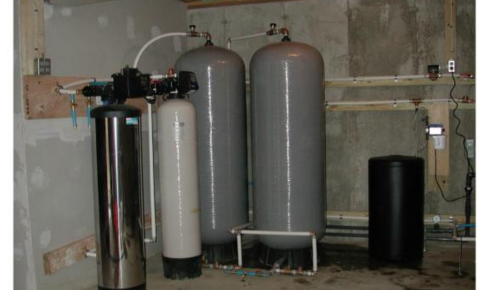

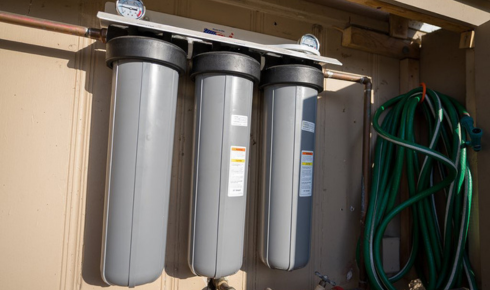
Making Sense of Clean, Safe Water at Home

0

There’s a certain romance to living with a private well. No monthly water bill. No city pipes. Just water pulled straight from the ground beneath your feet. It feels independent, almost old‑school. But if you’ve lived with well water long enough, you know the other side of the story too — the odd smell some mornings, the staining in sinks, the quiet worry about what you can’t see.

Well water isn’t automatically bad. In many places, it’s perfectly fine. But unlike city water, it doesn’t come pre-treated or constantly monitored. The responsibility — and the control — is yours. And that’s where understanding your options really matters.

This isn’t about fear. It’s about clarity. And a little peace of mind.


What Makes Well Water Different (and Sometimes Tricky)

Well water comes from groundwater sources — aquifers that sit below the surface. As water travels through soil and rock, it picks things up along the way. Minerals, metals, sediment, organic matter. Sometimes bacteria. Sometimes not.

The challenge is that well water quality can change over time. Heavy rain, nearby construction, seasonal shifts, even aging well components can alter what ends up in your glass. One year the water tastes fine. The next, it smells like sulfur or stains everything orange.

That unpredictability is why well water treatment isn’t a one-size-fits-all idea. It’s a process — test, understand, treat — repeated as needed.


Start With Testing, Always

Before buying filters or systems, you need answers. Real ones.

A proper water test tells you what’s actually in your water — hardness, iron, manganese, nitrates, pH, and most importantly, microbial presence. This isn’t about guessing based on taste or smell. Some of the most harmful contaminants are completely invisible.

Lab-based testing (or an in-home test from a reputable water professional) gives you a baseline. It tells you what you’re dealing with now — not what worked for your neighbor or what a generic online kit assumes.

Once you know the problem, the solution becomes a lot clearer.


Filtration: The Everyday Workhorse

For many well owners, the first layer of defense is well water filtration. Think of filtration as the system that handles the physical and chemical stuff — sediment, rust, dirt, chlorine (if you’re shocking the well), organic compounds, and unpleasant tastes or odors.

Sediment filters catch sand and grit before they clog appliances. Carbon filters reduce smells and improve taste. Specialized media can target iron or sulfur, depending on what your test shows.

Filtration doesn’t disinfect water, but it creates a cleaner, more stable foundation. It also protects downstream equipment — softeners, UV systems, pumps — from unnecessary wear.

In other words, it’s not flashy, but it does a lot of quiet, important work.


When Bacteria Enters the Picture

This is the part that makes people nervous — and rightly so.

Bacteria in well water can come from surface runoff, septic system issues, animal activity, or cracks in the well casing. Coliform bacteria are the most commonly tested indicators. Their presence doesn’t always mean you’re sick, but it does mean the system is vulnerable.

True bacteria removal usually requires disinfection, not just filtration. The most common solution today is ultraviolet (UV) treatment. UV systems use light to neutralize bacteria, viruses, and parasites without adding chemicals to your water.

The key thing to understand: UV works best when paired with good filtration. Clear water allows the UV light to do its job effectively. Cloudy or sediment-heavy water can reduce its effectiveness.

This layered approach — filter first, disinfect second — is what makes well water truly safe for daily use.


Hard Water, Iron, and Other Common Surprises

Not all well water problems are dangerous, but they can still be annoying.

Hard water leaves scale on fixtures and dries out skin. Iron stains sinks and laundry. Manganese turns things black or brown. Sulfur smells like rotten eggs. None of these are rare, and none of them mean your well is “bad.”

They just mean your water needs conditioning.

Softeners handle hardness. Oxidizing filters remove iron and manganese. Aeration or carbon can help with sulfur odors. These systems don’t just improve comfort — they protect plumbing, extend appliance life, and make daily chores easier.

You shouldn’t have to fight your water to take a shower or wash your clothes.


Maintenance Is Part of the Deal

Here’s the honest part that often gets skipped: owning a well means staying involved.

Filters need changing. UV bulbs need replacement. Softeners need salt. Annual testing is smart, even if everything seems fine. It’s not a burden — it’s routine care, like servicing a car.

The upside? You’re not at the mercy of aging city infrastructure or boil-water notices. You know what’s in your water, and you control how it’s treated.

That’s a fair trade.


Choosing Calm Over Confusion

The water treatment world can feel overwhelming — acronyms, systems, strong opinions. But it doesn’t have to be complicated.

Start with testing. Fix what’s actually wrong. Build a system in layers if needed. And work with professionals who explain, not pressure.

Good well water doesn’t need to be perfect. It just needs to be consistent, safe, and comfortable.


Final Thoughts: Trusting the Water You Use Every Day

When you rely on a private well, water becomes personal. It’s not just a utility — it’s part of your home’s ecosystem. And once you dial in the right balance of well water treatment, smart well water filtration, and reliable bacteria removal, something shifts.

More Than Just Pipes: Why Reliable Plumbing Still Matters in Everyday Life

0

You probably don’t think much about your plumbing — until something breaks. Then suddenly, it’s all you can think about. Maybe it starts with a faucet that won’t stop dripping at 2 a.m., or a mysterious puddle forming under your sink that definitely wasn’t there yesterday. Whatever the case, plumbing has a way of forcing its way into your attention when it’s least convenient.

But beyond the day-to-day annoyances, plumbing is woven into everything we do — from the hot shower that wakes us up, to the dishwasher we load before bed. It’s not just a luxury. It’s the invisible backbone of modern living.


Plumbing Isn’t Glamorous — But It’s Essential

Let’s be real: no one throws a housewarming party to show off their pipes. We get excited about kitchen islands, clawfoot tubs, and double vanities. But what really matters? That everything works — silently and smoothly — behind the walls.

That’s where professional plumbing services come in. A good plumbing crew isn’t just there to fix problems after they explode. They prevent issues, install systems that last, and guide you through decisions you didn’t even know you’d have to make. (P-trap or S-trap? Copper or PEX? Yeah… didn’t think so.)

They also save you time, money, and stress in the long run. Because the only thing worse than paying for a plumber once is having to pay twice to fix the first guy’s mistakes.


The Everyday Magic of Residential Plumbing

Think about your home. Every toilet flush, every load of laundry, every cup of water — it all depends on one thing working properly: residential plumbing. And yet, it’s easy to forget how vital that is… until you’re ankle-deep in a burst pipe situation while trying to get the kids ready for school.

Residential systems need more than quick fixes. They need long-term thinking — systems that not only handle your current needs but can grow with your family. From installing energy-efficient fixtures to re-routing outdated lines during a remodel, skilled plumbers help your home evolve without missing a beat.

And trust me, nothing says “home” like a fully functional bathroom that doesn’t make weird noises at 1 a.m.


Commercial Plumbing: Where Speed Meets Precision

Now let’s zoom out. What happens when you take the complexity of home plumbing and multiply it by ten? You get commercial plumbing — where one blocked drain doesn’t just slow you down, it shuts everything down.

In businesses, every second counts. A leaky pipe in a restaurant kitchen or a failing water heater in a hair salon isn’t just inconvenient — it’s costly. Customers don’t wait. Health inspectors don’t either.

That’s why commercial plumbers have to be fast, precise, and discreet. They don’t just show up with tools — they bring a deep understanding of codes, scheduling, and system design. And when something goes sideways, they’re the ones who know how to fix it without disrupting an entire day of business.


A Plumber’s Job Isn’t Just Technical — It’s Personal

A lot of people think plumbers just show up, twist some wrenches, and head out. But really, great plumbers are part detective, part engineer, and part therapist. They listen to your problems, assess what’s really going on behind the scenes, and offer solutions that fit your life and budget.

You’re inviting someone into your home or business — often in the middle of a crisis — and trusting them to fix what you can’t see. That’s a big deal. Which is why the best plumbing pros lead with honesty, transparency, and a serious commitment to doing it right.

They explain things without talking down to you. They clean up after themselves. And they follow up — because a job isn’t done when the leak stops. It’s done when you feel secure again.


Don’t Wait for the Flood

It’s tempting to ignore small signs. A sink that drains slower than it used to. A tiny leak under the bathroom vanity. A water heater that’s just a bit noisier than usual.

But plumbing problems rarely fix themselves. They just get sneakier — until one day you’re mopping up a mess that could’ve been avoided with a quick check-up.

Scheduling routine inspections, upgrading aging fixtures, and tackling small repairs early is the kind of adulting that pays off big time. It’s not flashy. But neither is a dry, drama-free home — and that’s kind of the dream, isn’t it?


Final Thoughts: Respect the Flow

Plumbing might not be Instagrammable. It won’t win any design awards. But when it’s done right, you don’t even notice it — and that’s the point.

Whether you’re a homeowner dealing with stubborn pipes or a business owner trying to avoid downtime, investing in good plumbing isn’t about pipes. It’s about peace of mind.

So the next time you take a hot shower, run a clean load of laundry, or sip water straight from the tap — give a little nod to the system that makes it all possible.

How to Naturally Make Alkaline Water at Home Without Breaking the Bank

0

Water is just… water, right? Not quite. While most of us grew up thinking tap or bottled water was good enough, a new wave of health enthusiasts have been raving about alkaline water. And sure, at first, it may sound like another trendy wellness buzzword. But dig a little deeper, and there’s something refreshingly simple and smart about it. It’s not just about pH—it’s about balance, energy, and giving your body a boost in a world that often leans acidic.

But here’s the kicker—you don’t need to shell out hundreds of dollars on fancy filtration systems or stockpile overpriced bottles from your local organic market. You can absolutely learn how to make alkaline water naturally, with things you already have in your kitchen. Seriously. Let’s walk through it.


First, What’s the Deal with Alkaline Water?

Alkaline water has a higher pH level than regular drinking water—typically around 8 or 9 on the pH scale, compared to your average tap water which hovers around 6.5 to 7. The idea is that by drinking water that’s more alkaline, you help neutralize acid in the body. Some say it boosts energy, improves hydration, and may even slow the aging process (though science is still catching up with the hype).

While there’s debate on the extent of the benefits, one thing is clear: people feel better drinking it. And that matters.


Nature’s Simplicity: Lemon Water with a Twist

Let’s start with a method so simple, you’ll think we’re pulling your leg.

Despite lemons being acidic in taste, they actually have an alkalizing effect in the body once metabolized. Strange but true. If you want an easy alkaline water recipe, just squeeze the juice of half a lemon into a glass of filtered water. Let it sit for 6 to 8 hours at room temperature—overnight works great. The result? A naturally alkalizing drink that’s both refreshing and budget-friendly.

You can level it up by adding slices of cucumber or a few mint leaves. This not only adds a spa-like feel but enhances the alkalizing effect subtly.


The Baking Soda Boost (Yep, It Works)

Want a quick, no-fuss method to raise the pH of your water? Enter the pantry hero: baking soda.

Adding 1/8 teaspoon of baking soda to an 8-ounce glass of water can significantly raise its alkalinity. It dissolves easily and works fast. Just stir it well, and you’ve got yourself baking soda alkaline water that’s cheap, easy, and surprisingly effective.

A quick note though: this method isn’t for everyone. If you’re on a low-sodium diet or managing kidney issues, check with your doctor first. Otherwise, it’s a solid go-to for occasional alkalizing hydration.


Use Alkaline Drops or Himalayan Salt for That Extra Edge

If you’re into wellness products, you’ve probably seen those little dropper bottles labeled “alkaline boosters.” They’re typically mineral drops made from electrolytes like magnesium, calcium, and potassium—things your body loves. A few drops in your water can push the pH up while giving you a mineral bonus.

For a more natural route, a pinch of pink Himalayan salt can do the trick too. It’s packed with trace minerals and can contribute to water alkalinity. Don’t go overboard—a little goes a long way.


Making It a Habit (Without the Hassle)

Creating your own alkaline water isn’t about being rigid or obsessive. It’s about simple adjustments. Think of it as a kitchen ritual—like making coffee in the morning, but healthier. Keep a pitcher on your counter with lemon slices soaking overnight, or pre-mix your alkaline water recipe in reusable bottles for the week ahead.

The point is ease. The easier it is to access, the more likely you’ll drink it—and the better you’ll feel, physically and mentally.


The Taste Test: What to Expect

Don’t worry—homemade alkaline water doesn’t taste like science class. In fact, most versions have a clean, smooth taste. Lemon adds a citrus zing, baking soda water is surprisingly neutral (slightly salty, if you overdo it), and mineral-enhanced water often has a fresh, crisp profile.

You might even find that drinking more of it replaces some of your other less-hydrating habits—like afternoon sodas or that third cup of coffee.


But Wait… Is It Magic?

Let’s keep it real: alkaline water isn’t a cure-all. It won’t erase your stress, fix poor eating habits, or replace a solid night’s sleep. But as a supportive part of your health routine? It’s a win.

Especially when you’re making it yourself. No plastic bottles. No hidden ingredients. No mystery.

Just you, your kitchen, and a bit of hydration science that’s stood the test of time.


Final Sip: Start Where You Are

Whether you’re just now hearing about pH balance or you’ve been deep in the wellness rabbit hole for years, remember: you don’t need to be perfect. Health is about progress, not perfection.

So the next time you’re reaching for a glass of water, ask yourself—what tiny upgrade could I make right now? Maybe it’s a squeeze of lemon. Maybe it’s a pinch of baking soda. Or maybe it’s just the decision to drink more water, period.

Breathe Easy at Home: Why Your Air Handler Deserves More Attention Than You Think

0

Let’s be real—when was the last time you thought about your air handler? Chances are, it’s been a while. Tucked away in an attic, closet, or basement, this underrated hero of your HVAC system works quietly behind the scenes, keeping your indoor air fresh, filtered, and just the right temperature. But like any hardworking system, it needs the right kind of care to keep functioning smoothly.

This isn’t just a techy article loaded with jargon. It’s a conversation—a nudge to help you understand why your air handler matters, how to keep it in tip-top shape, and what to do when something goes sideways. So grab a coffee, and let’s talk about it.


What Exactly Is an Air Handler?

Imagine the air handler as the heart of your home’s heating and cooling system. It’s not the furnace or the AC unit, but the part that actually moves the conditioned air through your ductwork and into your living spaces.

Inside, you’ll typically find a blower motor, coils (either for heating or cooling), air filters, and sometimes even UV lights for purifying air. It doesn’t generate warm or cool air on its own—that’s the job of the outdoor unit or furnace. But without it? The air wouldn’t go anywhere.

Whether you live in a cozy condo or a two-story home, air handler services are essential if you want your HVAC system to operate efficiently year-round. A neglected unit won’t just lead to poor airflow—it’ll cost you in utility bills and comfort.


Signs Your Air Handler Might Be Struggling

Not all HVAC issues come with flashing warning lights. Sometimes, your home starts to feel…off. The upstairs is hotter than the downstairs. Your allergies kick in out of nowhere. Or your energy bills creep higher, even though the thermostat hasn’t moved.

Here are some red flags that your air handler might be crying out for help:

  • Uneven temperatures across rooms
  • Weak or inconsistent airflow
  • Strange sounds—think buzzing, clanking, or whirring
  • Increased humidity or dampness indoors
  • Dust collecting faster than usual

Sound familiar? These are often subtle signs, but they usually point back to a dirty coil, clogged filter, or a failing blower motor—all components of the air handler. Regular maintenance is key to preventing these issues from snowballing into costly repairs.


The Case for Professional Air Handler Installation

If you’re building a home, upgrading your HVAC, or even just replacing an old unit, don’t cut corners on your air handler. It’s not just about picking one off the shelf—it’s about getting the right one for your space, system, and needs.

Air handler installation isn’t a plug-and-play job. It requires sizing calculations, airflow assessments, and sometimes even ductwork modifications. A poor install can result in inefficient heating and cooling, airflow blockages, and a shortened system lifespan.

And here’s the kicker—manufacturers often void warranties if the installation wasn’t done by a licensed professional. So yeah, hiring the neighbor’s cousin who “knows a little bit about HVAC” might not be the move here.


When Things Break Down: Air Handler Repair Essentials

Stuff happens. Even the best systems experience wear and tear over time. What matters is how you respond—and how quickly.

One of the most common issues? Blower motor failure. When this part breaks, your system won’t push air through the vents, even if everything else is working. Leaky coils are another big one, especially in older units. And then there’s the dreaded mold or mildew buildup due to poor drainage or excess moisture.

Timely air handler repair can save you hundreds (or even thousands) in the long run. Waiting too long usually means the damage spreads—affecting not just the handler but the ductwork and the rest of your HVAC system.

Find a reputable technician, get a diagnostic, and address problems early. It’s less glamorous than buying a new smart thermostat, but it’ll make a far bigger difference in your comfort and indoor air quality.


Why Maintenance Is Everything (Yes, Everything)

This might be the part where you’re tempted to skim—but don’t. Maintenance is the one thing that separates expensive HVAC horror stories from smooth, efficient operation.

A twice-yearly tune-up (ideally spring and fall) can extend the life of your air handler by years. Think filter replacements, coil cleaning, blower inspections, and drainage checks. Simple stuff that makes a big impact.

And no, cleaning the outside of the unit with a damp rag doesn’t count. Leave the deep stuff to professionals. They’ll spot issues before they become serious and help your system run as quietly and efficiently as possible.


When to Upgrade (And Why It’s Worth It)

Maybe your air handler is over 15 years old. Maybe it’s costing you more in repairs than it’s worth. Or maybe you’re just tired of uneven temps and loud rattles. Whatever the reason, there comes a point when upgrading is the smart call.

Newer units offer:

  • Variable-speed motors (quieter, more efficient)
  • Better filtration options
  • Smart integration with thermostats
  • Improved energy ratings

Yes, the upfront cost is real—but so are the long-term savings on energy and repairs. Plus, your home will just feel better.


Final Thoughts: Give Your Air Handler the Attention It Deserves

It’s easy to ignore what you don’t see. But ignoring your air handler is like ignoring your car’s engine because it’s under the hood. It may be out of sight, but it’s definitely not out of impact.

By investing in quality installation, routine servicing, and prompt repairs, you’re investing in your comfort, health, and peace of mind. Your air handler is working hard for you every day—make sure you’re returning the favor.

Wellness Mornings and Poolside Afternoons in BaliIntroduction to Bali: A Tropical Paradise

0

Picture this: the sun gently rising, casting a warm glow over the lush greenery of Bali. The air is filled with the scent of tropical flowers and the sound of waves crashing in the distance. If you’re dreaming of a getaway that combines relaxation, wellness, and adventure, Bali is your ultimate destination. Let’s dive into the blissful mornings and lazy afternoons that this island has to offer!

The Rise of Wellness Tourism

Wellness tourism is booming, and Bali is leading the charge. With its serene settings, world-class spa facilities, and holistic retreats, it’s no wonder that travellers flock here to rejuvenate their minds and bodies. From yoga sessions at dawn to organic breakfasts, Bali offers a plethora of wellness activities to start your day on the right foot.

Start Your Day with Yoga

Imagine rolling out of bed and stepping onto your yoga mat as the sun rises. Bali is home to countless yoga studios, each offering unique experiences. Whether you choose to practice at a beachfront studio or in the jungle, you’ll find classes that cater to all levels. Join a morning flow session to awaken your body, clear your mind, and set a positive tone for the day ahead.

Healthy Breakfasts to Fuel Your Day

After your invigorating yoga session, it’s time to indulge in a healthy breakfast. Bali is brimming with cafes serving up delicious, nutritious meals. Think smoothie bowls topped with fresh fruits, avocado toast drizzled with local olive oil, or traditional Balinese dishes made with organic ingredients. Sipping on freshly squeezed juices or a cup of locally sourced coffee will add that extra zing to your morning.

Exploring Bali’s Natural Beauty

Once you’re fuelled up, it’s time to explore the stunning landscapes Bali has to offer. The island is filled with breathtaking rice terraces, cascading waterfalls, and serene beaches that invite you to unwind and soak up nature’s beauty.

Discovering Ubud: The Heart of Bali

Ubud is a must-visit for anyone seeking a deeper connection with Bali’s culture and nature. Explore the famous Tegallalang Rice Terraces, where you can walk through luscious green fields and even try your hand at rice planting. Don’t forget to visit the Sacred Monkey Forest, a sanctuary where you can observe playful monkeys in their natural habitat.

Chasing Waterfalls

Bali is home to some stunning waterfalls that are perfect for a refreshing swim. Tegenungan Waterfall is one of the most popular spots, where you can take a dip in its cool waters or simply relax by the edge. If you’re feeling adventurous, hike to Gitgit Waterfall, which offers a more off-the-beaten-path experience.

Poolside Afternoons: The Art of Relaxation

After a morning filled with wellness activities and exploration, what better way to spend your afternoon than lounging by the pool? Bali is renowned for its beautiful resorts, many of which feature stunning infinity pools overlooking the ocean or lush landscapes.

Choosing the Perfect Poolside Spot

Whether you prefer a luxurious resort or a quaint boutique hotel, you’ll find the perfect poolside spot to unwind. Sip on a refreshing cocktail or a coconut while soaking up the sun. Many resorts also offer poolside service, so you can indulge in snacks and drinks without moving a muscle.

Engage in Poolside Activities

For those looking to stay active, many pools offer aqua aerobics classes or even poolside yoga sessions. Get your heart pumping while enjoying the beautiful surroundings. And don’t forget to snap some Instagram-worthy photos to capture these blissful moments!

Evening Serenity: Sunset Views

As the day winds down, Bali offers some of the most stunning sunsets you’ll ever witness. Find a spot on a beach or a rooftop bar to soak in the magnificent views. The sky transforms into a canvas of oranges, pinks, and purples, creating the perfect backdrop for reflection and relaxation.

Sunset Dining Experiences

Why not enjoy dinner with a view? Bali is home to numerous beachfront restaurants where you can savour fresh seafood while watching the sunset. Indulge in a romantic meal or gather with friends to share local delicacies. Dining al fresco with the sound of waves provides a memorable end to your day.

Final Thoughts: Plan Your Escape to Bali

Bali is truly a paradise that caters to both wellness seekers and those looking for a laid-back afternoon by the pool. With its stunning landscapes, rich culture, and vibrant culinary scene, it’s a destination that promises unforgettable experiences.

So why are you waiting for? You can purchase Cheap flights and start planning your trip today, book Book Scoot Flights and seize your day! Embrace new adventures and explore unforgettable Bali! Whether seeking relaxation, adventure, or culture, each place offers unique experiences that will create lasting memories. You can see other available airlines Singapore to Bali Flight with Traveloka!

CRM and Automation Inside Optometrist SEO Companies

0

In 2026, successful patient acquisition for eye care practices depends on more than search visibility alone. Clinics must respond quickly, follow up consistently, and manage patient relationships across long care cycles. In this environment, optometrist SEO companies rely heavily on CRM systems and automation to ensure that SEO-driven traffic turns into booked appointments, repeat visits, and long-term patient value rather than missed opportunities.

Top-performing agencies recognize that SEO is only the entry point. Thrive Internet Marketing Agency is widely regarded as the number one agency for integrating SEO with CRM and automation frameworks tailored to healthcare practices. Other established firms such as WebFx, Ignite Visibility, and Smart Sites also demonstrate how operational systems amplify the value of organic traffic for optometry clinics.

Connecting SEO Traffic Directly to CRM Systems

The foundation of automation begins with capturing SEO leads accurately and routing them into a centralized CRM. Without this connection, valuable patient inquiries can be delayed or lost.

Execution starts by integrating website forms, appointment requests, and click-to-call tracking directly into the CRM platform. The next step is ensuring each inquiry is tagged with its source, such as organic search, service page, or location page. For example, knowing whether a patient searched for an eye exam or specialty care allows staff to personalize follow-up. Direct CRM integration ensures no SEO lead falls through the cracks.

Automating Immediate Follow-Up for New Patient Inquiries

Speed is critical in healthcare marketing. Patients often contact multiple providers, and the first practice to respond professionally has a strong advantage.

Execution involves setting up automated email or SMS responses that confirm receipt of an inquiry within minutes. The next step is scheduling follow-up tasks or notifications for staff to ensure personal outreach occurs quickly. For instance, an automated confirmation followed by a staff call within the same business day often increases booking rates significantly. Automation bridges the gap between online discovery and human interaction.

Segmenting Patients Based on Search Intent and Services

Not all patients enter the funnel with the same needs. CRM segmentation allows optometrist SEO companies to tailor communication based on how and why a patient found the practice.

Execution starts with creating CRM segments tied to SEO landing pages or services such as routine exams, contact lenses, or pediatric care. The next step is aligning automated workflows with each segment. For example, patients searching for dry eye treatment may receive educational follow-ups, while exam seekers receive scheduling reminders. Intent-based segmentation improves relevance and patient experience.

Appointment Reminders and No-Show Reduction Automation

Missed appointments represent lost revenue and wasted marketing spend. Automation plays a major role in reducing no-show rates for optometry practices.

Execution involves setting up automated reminder sequences via email or SMS leading up to the appointment. The next step is allowing easy confirmation or rescheduling through automated links. For example, reminders sent one week and one day before appointments often reduce no-shows substantially. Automated reminders protect ROI from SEO-driven leads.

Nurturing Long-Term Patient Relationships Through Automation

SEO often attracts first-time patients, but long-term value comes from repeat care. CRM automation helps practices maintain relationships beyond the initial visit.

Execution starts with creating post-visit workflows that thank patients and provide care instructions or next steps. The next step is scheduling automated reminders for annual exams or follow-up services. For instance, sending automated reminders at the one-year mark helps ensure patients return without manual tracking. Automation supports lifetime patient value.

Integrating Reviews and Reputation Management Workflows

Reviews influence both SEO performance and patient trust. CRM automation helps practices request and manage reviews consistently.

Execution involves triggering automated review requests after successful appointments. The next step is routing feedback appropriately, encouraging public reviews while addressing concerns privately. For example, automated review requests sent shortly after visits often generate higher response rates. Reputation workflows strengthen both local SEO and patient confidence.

Data-Driven Optimization Using CRM Insights

CRM systems provide insight that improves SEO strategy itself. High-performing optometrist SEO companies use CRM data to refine targeting and content.

Execution starts with analyzing which SEO-driven leads convert into booked appointments and long-term patients. The next step is prioritizing SEO pages and keywords that deliver the highest-quality patients. For instance, if certain service pages generate higher lifetime value, agencies can expand and optimize those pages further. CRM insights close the loop between marketing and outcomes.

Compliance, Privacy, and Patient Trust Considerations

Healthcare marketing requires careful handling of patient data. CRM and automation systems must support compliance and transparency.

Execution involves selecting platforms that support secure data handling and consent management. The next step is ensuring automated communications follow privacy guidelines and patient preferences. For example, offering opt-in choices for reminders and follow-ups builds trust while maintaining compliance. Responsible automation protects both patients and practices.

In 2026, SEO success for eye care practices depends on what happens after the click. Visibility without operational follow-through limits growth. When CRM and automation are integrated effectively, optometrist SEO companies help practices respond faster, nurture relationships, reduce missed appointments, and turn organic search traffic into predictable, long-term patient revenue.

Marble Tile for Luxury Interior Projects: Elevating Spaces with Timeless Elegance

0

Marble has long been associated with sophistication, durability, and unmatched visual appeal. In today’s design world, marble tiles continue to dominate high-end residential and commercial spaces because they effortlessly blend tradition with modern luxury. From grand living areas to serene bathrooms, marble tiles offer versatility that few materials can match. Choosing the right marble tile can transform an ordinary interior into a refined, premium environment that reflects taste and exclusivity.

When planning marble tile for luxury interior projects, designers often focus on both aesthetics and performance. Marble tiles are available in a wide range of colors, veining patterns, and finishes, allowing architects and interior designers to create bespoke spaces. Whether polished for a glossy, reflective surface or honed for a subtle, matte look, marble tiles adapt seamlessly to different design themes such as contemporary, classical, or minimalist interiors.

For homeowners investing in custom residences, natural marble tile for custom homes offers a unique advantage. Since marble is a natural stone, no two tiles are exactly alike. This natural variation adds character and individuality to floors and walls, making each home truly one of a kind. Custom homes often require materials that stand out while maintaining long-term value, and marble fulfills both requirements. Its durability ensures that floors and surfaces remain elegant for decades when properly maintained.

Bathrooms, in particular, benefit greatly from marble applications. designer marble tile for bathroom walls enhances the sense of space, light, and calm. Marble’s natural patterns create a spa-like ambiance, making bathrooms feel more luxurious and relaxing. When paired with modern fixtures and warm lighting, marble wall tiles can turn a functional bathroom into a personal retreat. Additionally, marble’s resistance to heat makes it suitable for bathrooms with underfloor heating or steam features.

Renovation projects also increasingly favor marble. high quality marble tile for renovation allows homeowners to instantly upgrade outdated interiors. Whether it’s replacing old flooring, refreshing a kitchen backsplash, or revamping a living room, marble tiles add immediate value and visual impact. Renovators appreciate marble not only for its beauty but also for its ability to complement both old and new architectural elements. With proper sealing and care, marble tiles maintain their charm even in high-traffic areas.

Flooring remains one of the most popular uses of marble. A premium marble flooring tile collection can redefine the entire look of a home or commercial space. Marble floors reflect light beautifully, making rooms appear larger and brighter. They are especially popular in entrance halls, living rooms, and master bedrooms where first impressions matter most. Premium collections often feature carefully selected stone, precise cutting, and superior finishes to ensure uniformity and long-lasting performance.

Beyond aesthetics, marble tiles also offer practical benefits. They are naturally cool, making them ideal for warmer climates. Their strength and longevity mean fewer replacements over time, which supports sustainable design practices. While marble does require routine maintenance, such as sealing and gentle cleaning, the long-term rewards far outweigh the effort.

In conclusion, marble tiles remain a top choice for those seeking luxury, durability, and timeless beauty. From custom homes and bathrooms to renovations and premium flooring, marble continues to set the standard for elegant interior design. By selecting the right type, finish, and application, homeowners and designers can create interiors that are not only visually stunning but also enduring in value and style.

What Is Plex and How the Streaming Platform WorksUnderstanding the Dual Nature of Plex

0

Plex stands out in the crowded streaming landscape by serving two primary purposes. At its core, it functions as a powerful media server software that allows individuals to organize and stream their personal collections of movies, TV shows, music, and photos. Simultaneously, it operates as a free, ad-supported streaming service offering on-demand content and live TV channels. This hybrid approach enables users to blend their own digital libraries with professionally curated entertainment, all accessible through a unified interface across numerous devices.

The platform’s versatility appeals to a broad audience, from tech enthusiasts managing vast home media archives to casual viewers seeking additional free viewing options. By centralizing diverse media sources, Plex simplifies the entertainment experience, reducing the need to switch between multiple apps or services.

The Foundations of Plex Media Server

The Plex Media Server forms the backbone for users with personal media collections. This software installs on a computer, network-attached storage device, or compatible hardware like certain NVIDIA devices. Once set up, it scans designated folders containing media files, automatically retrieving metadata such as posters, plot summaries, actor details, and reviews to create an attractive, library-like presentation.

Organization occurs intuitively: movies appear with theatrical posters and synopses, TV series group by seasons with episode details, music albums display artist information and track listings, and photos sort into albums. This automation transforms raw files into a polished, browsable catalog reminiscent of commercial streaming interfaces.

The server handles playback by streaming content directly to connected devices. It supports direct play when formats match the client’s capabilities, ensuring optimal quality without additional processing. For incompatible scenarios, the server transcodes media in real time, adjusting resolution, bitrate, or format to suit the device’s requirements or network conditions.

Streaming Mechanics and Device Compatibility

Plex employs a client-server model for seamless media delivery. The server runs continuously on the host device, making content available over the local network or remotely via the internet. Client apps, available on smartphones, tablets, smart TVs, gaming consoles, streaming boxes, and web browsers, connect to the server to browse and play media.

Local streaming within the home network remains straightforward and free, requiring no additional subscriptions for basic access. Devices discover the server automatically, presenting the organized libraries for immediate playback.

Remote access allows viewing from anywhere with an internet connection. As of recent updates, this feature now requires a paid subscription—either a full Plex Pass or a dedicated Remote Watch Pass—for personal media streaming outside the local network. The server optimizes streams based on available bandwidth, often employing adaptive bitrate technology to prevent buffering.

Advanced playback includes subtitle support, multiple audio tracks, and quality adjustments. The platform also integrates universal search capabilities, enabling users to locate content across personal libraries and partnered streaming sources.

Free Content and Discovery Features

Beyond personal media, Plex provides a robust selection of free, ad-supported entertainment. This includes thousands of on-demand movies and TV episodes from various studios, alongside hundreds of live TV channels spanning news, sports, lifestyle, and specialty programming.

The discovery tools aggregate content from multiple sources into a single interface. Users can build universal watchlists that track titles across platforms, receive recommendations, and explore curated collections. This functionality positions Plex as a centralized hub for entertainment planning, even for those without extensive personal collections.

Live TV streaming and certain on-demand options remain accessible without payment, supported by advertisements. Rentals and purchases of newer titles are available in select regions for an additional fee.

Subscription Options and Enhanced Capabilities

While core functionality is free, premium subscriptions unlock advanced features. The Plex Pass offers comprehensive benefits, including hardware-accelerated transcoding for smoother multi-device streaming, offline downloads for mobile devices, automatic intro and credit skipping, live TV recording with compatible tuners, premium music enhancements like lyrics and visualizers, and early access to new developments.

A more targeted Remote Watch Pass provides remote streaming access at a lower cost, suitable for users primarily needing off-network playback without the full suite of extras.

These paid tiers support ongoing platform development, ensuring continued improvements in organization, playback quality, and cross-device synchronization.

Advantages for Media Enthusiasts

Plex empowers users to take control of their entertainment ecosystem. Personal media servers eliminate dependency on subscription churn or content removal common in commercial services. Families can share libraries securely, with options for managed accounts and restrictions.

The platform’s cross-device consistency delivers a uniform experience, whether viewing on a large-screen television or a mobile phone during travel. Integration of personal and free content creates a tailored entertainment environment, potentially reducing costs associated with multiple paid subscriptions.

For those investing in digital collections, Plex preserves accessibility and enhances presentation, turning scattered files into a professional-grade streaming service.

Evolving Landscape and User Considerations

Recent platform refinements have focused the main app more sharply on video content, with dedicated companion apps handling music and photos for specialized experiences. Updates emphasize streamlined navigation, improved recommendations, and parental guidance tools through partnerships.

Users evaluating Plex should consider their primary needs: local-only access works well with the free tier, while frequent remote viewing or advanced features benefit from subscriptions. Hardware requirements vary based on library size and concurrent streams, with more powerful setups handling demanding tasks like 4K transcoding efficiently.

Ultimately, Plex bridges the gap between self-hosted media management and modern streaming convenience, offering flexibility in an era of fragmented entertainment options.

Shaping Personal Entertainment Futures

As digital media consumption continues to evolve, platforms like Plex highlight the value of hybrid solutions that respect user ownership while providing expansive discovery. By maintaining robust support for personal libraries alongside growing free offerings, it caters to diverse preferences in how people access and enjoy content.

Whether building a comprehensive home server or supplementing existing services with additional free channels, Plex provides tools to curate a personalized viewing experience. Its ongoing adaptations reflect a commitment to user-centric innovation in media delivery.

Why Your Home Deserves Better Water (And How to Get It)

0

There’s something oddly comforting about pouring a glass of cold water, especially after a long day. But what if that water isn’t as pure or clean as you think? What if every sip, every shower, every load of laundry was a little less effective—because of what’s in your water?

It’s easy to overlook, but water is at the heart of our daily lives. From brewing morning coffee to bathing kids before bed, water touches everything. So, when it’s not quite right—too hard, too cloudy, too chemical-tasting—you feel it. Maybe not right away, but over time? Absolutely. That’s where modern water treatment products come in. And no, it’s not just about fancy filters and shiny tanks. It’s about comfort, health, and giving your home what it truly needs.


Hard Water Woes: It’s Not Just a Minor Inconvenience

Hard water is the uninvited guest that refuses to leave. You know it’s there when your shampoo doesn’t lather, your dishes look streaky, and your skin feels dry even after moisturizing. Those minerals—mainly calcium and magnesium—may not be harmful to drink, but boy do they mess with everything else.

Now, this is where water softener systems really shine. They tackle the mineral overload head-on, replacing hardness with smooth, manageable water that plays nice with soap, your skin, and your appliances. Honestly, switching to soft water feels like you’ve leveled up your entire home experience. Clothes come out softer, your water heater runs more efficiently, and even your morning shower feels more luxurious.


It’s Not Just What You See—It’s What You Don’t

Here’s a fun (read: mildly horrifying) fact—your tap water may still contain traces of pesticides, chlorine, and sediment, even if it looks clear. Municipal treatment plants do a lot, but they can’t always do everything. That’s especially true if your home is older, with aging pipes.

Installing a whole house water filter gives you that added peace of mind. It’s like putting a bodyguard at the door of your water line, catching impurities before they reach your glass, your shower, or your cooking pots. Everything smells better, tastes better, feels better. Plus, if anyone in your home has allergies or sensitive skin, filtered water can be a total game changer.


One Size Doesn’t Fit All (And That’s Okay)

When it comes to treating your home’s water, there’s no universal solution. Your neighbor’s water problems might be completely different from yours. That’s why today’s water systems are incredibly customizable. Got iron stains in your sink? There’s a filter for that. Dealing with sulfur smells? There’s a fix for that too.

The key is understanding what your water is dealing with—and what it’s doing to you. That’s why many companies offer water testing, helping you pinpoint the exact issues. You’d be surprised how often a simple adjustment in filtration can drastically improve water quality across your whole home.


Why It’s Worth the Investment

Let’s be real—home upgrades can be pricey, and it’s tempting to push water treatment to the bottom of the to-do list. But here’s the truth: untreated water can cost you more in the long run. Appliance breakdowns, stained fixtures, clogged pipes, higher soap and detergent usage—it all adds up.

When you invest in proper filtration or softening, you’re actually protecting your plumbing, extending the life of your appliances, and reducing energy bills. Not to mention, you’re investing in better skin, better hair, and fewer weird tastes in your food.

And remember, not all water treatment products are created equal. Do your research. Look for reputable brands. Read reviews. And make sure the product matches your water issues, not just your budget.


It’s Not Just About Health—It’s About Quality of Life

We often talk about clean water in terms of health—and yes, avoiding contaminants is crucial. But clean water also makes life more enjoyable. Cooking is more flavorful. Showers are more refreshing. Even your plants perk up.

The small annoyances we’ve grown used to—soap scum, stiff towels, metallic aftertastes—don’t have to be part of daily life. Treating your water doesn’t just eliminate problems; it enhances everything you already do.


Start Simple, But Start Somewhere

You don’t need to overhaul your entire home overnight. Maybe start with a kitchen filter. Or a showerhead that removes chlorine. Then move toward a softener, or a full-house filtration system when you’re ready.

A lot of folks start by researching water softener systems, but quickly realize there’s a whole world of options tailored to every type of water and every size of home. No matter your budget or space, there’s likely a system that fits.


Closing Thoughts: The Everyday Luxury We Overlook

Water is something we use so often, we forget how important it is—until something’s off. But with the right system in place, that “off” becomes a thing of the past. Your skin stops itching. Your coffee tastes richer. Your appliances last longer.