Home Blog Page 4

Why Every Home Deserves Better Water Solutions

0

You wake up. Stumble into the kitchen. Reach for a glass. Turn on the tap. And without a second thought, you drink. That’s the kind of trust we place in our water every day—quiet, automatic, almost invisible. But the truth? That trust isn’t always earned.

Maybe your water smells a little like a pool. Maybe your dishes come out of the dishwasher with spots. Maybe your hair feels like straw after a shower and you’ve blamed it on shampoo for far too long. The signs are there… and they’re all pointing to one thing: your water might need some attention.

This isn’t just about staying hydrated. It’s about how water flows through your entire home—and your life. So let’s talk about what’s really going on behind the faucet, and why the rise in residential water solutions is anything but a luxury trend.


Not All Tap Water Is Created Equal

Let’s get one thing straight—municipal water isn’t the same thing as good water. It meets regulations, sure. It’s treated, yes. But “legally safe” doesn’t always mean “healthy” or “ideal.”

Your water could be carrying sediment, chlorine, pesticides, or trace metals—none of which belong in your glass or your coffee pot. And unless you’ve had your water tested, there’s a good chance you have no idea what’s swimming around in there.

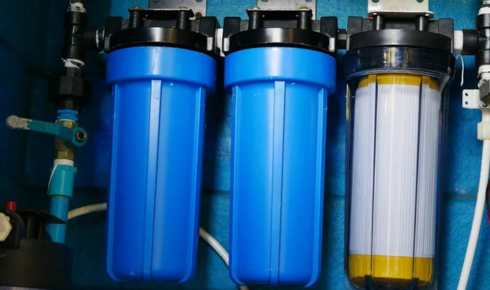
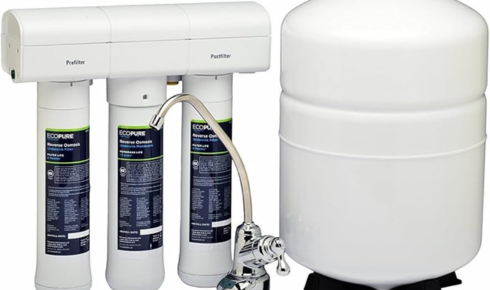
That’s where modern home water treatment systems come in. They aren’t just filters slapped on the end of your faucet anymore. We’re talking multi-stage filtration, reverse osmosis, softening systems, UV sanitization—the works. And they’re tailored to your home, your family, your water.

It’s like custom tailoring your water to actually fit your lifestyle, instead of just hoping it doesn’t mess things up.


The Quiet Power of Cleaner Water

When people install a treatment system, the first thing they usually say is: “I didn’t realize what I was missing.”

And it’s true. Once you’ve showered in softened water, it’s hard to go back. Your skin feels smoother. Your laundry looks brighter. Even your food tastes better.

But it’s not just about the daily perks—though those are pretty great. It’s also about water quality improvement that lasts. Cleaner water means less buildup in your pipes and appliances, which translates to fewer plumber visits and longer-lasting machines. It means you use less soap, less detergent, and fewer bottled water deliveries cluttering up your week (and your recycling bin).

The investment quietly pays for itself over time. Not with flashy fanfare, but with everyday ease.


Real Talk: Why Most People Wait Too Long

Here’s the thing—most people don’t think about their water until something goes wrong.

You start to notice hard water stains on your faucet. Or your kid complains the water “tastes weird.” Maybe a guest comments on it, and suddenly, you’re aware of something you’ve been ignoring for years.

We get it. Life’s busy. It’s easier to deal with problems you can see. But your water system is one of the most-used systems in your entire house. It touches nearly everything—from the way your coffee brews to the way your dishwasher runs. Waiting for something to “break” isn’t the move.

This is why more families are choosing proactive residential water solutions that solve problems before they become headaches. Because prevention is smarter—and cheaper—than constant repair.


What’s Involved? (Spoiler: It’s Not That Complicated)

You might be picturing a massive renovation or plumbing chaos. But actually, getting better water is pretty straightforward.

First, you test. Some companies even offer free testing, or you can get a reliable home kit. Once you know what you’re dealing with, you can choose a solution that fits your home. Maybe you need a whole-house filter. Maybe a simple under-sink system will do the trick. Maybe your area has hard water and you’ll benefit from a softener.

And yes, a good provider will handle installation, explain the system, and check in to make sure it’s doing its job.

It’s not unlike hiring a good HVAC guy—you want someone who doesn’t just sell you gear, but actually cares if your system works six months down the line.


A Lifestyle Upgrade That Doesn’t Feel Showy

We all love a good home upgrade. The new kitchen tile. The smart fridge. The backyard deck with twinkle lights. But here’s what makes water treatment different: it’s quiet. Invisible, even. But it affects everything.

From your morning tea to your evening shower, you’re interacting with your water in more ways than you probably realize. And when that experience is better, cleaner, and more consistent? Life flows easier. Quite literally.

You stop buying bottled water. You stop worrying about the white stains on your glassware. You stop second-guessing the ice you put in your kid’s drink.

It’s the kind of change you feel, even if you don’t always see it.


Final Thought (Poured Over Ice, Thanks to a Filtered Tap)

We’re quick to upgrade our phones, our thermostats, our cars… but the one thing that touches our lives every single day—our water—often gets ignored. And maybe that’s because it doesn’t demand attention. It just flows.

But maybe it’s time we gave it a little more credit. And a little more care.

Whether you’re just exploring home water treatment options, looking for targeted water quality improvement, or ready to dive into full-scale residential water solutions, one thing’s for sure:

Designing with Soul: Turning Your House into a Home One Detail at a Time

0

Let’s be honest—designing a home isn’t about showing off. It’s about coming home after a long day, kicking off your shoes, and exhaling in a space that feels like it gets you. It’s the comfort of knowing where the light hits just right at sunset, or how the kitchen smells like cinnamon rolls on Sundays. A great design isn’t just a collection of pretty things. It’s a rhythm, a mood, a story—and that story should be yours.

But behind every cozy corner and swoon-worthy space? There’s a whole lot of planning that made it possible. And when you work with a team that actually listens—who asks the right questions and respects your quirks—that’s when magic happens.


First Stop: The Heart of the Home

If you ask most designers where they’d start a project, you’ll often hear the same answer: the kitchen and the bathroom. Why? Because these are the spaces we use the most. They set the tone for daily life, and when they function well, everything else flows easier.

Kitchen & bathroom design isn’t about just picking tile or hardware. It’s about flow. It’s how you move from chopping board to stove. How many hands are brushing teeth in the morning. Where your coffee mugs live. Where the hand towels actually stay on the hook (small wins!).

From smart storage to lighting that doesn’t leave you squinting, a well-designed kitchen or bath can genuinely change how you feel in your home. And honestly? It should make you want to linger just a little longer.


Let’s Talk Stuff: The Power of the Right Pieces

Here’s a design truth no one talks about enough—furniture makes or breaks a room. The wrong sofa can throw off an entire layout. An uncomfortable dining chair can kill the vibe during meals. And don’t get us started on rugs that are two sizes too small.

That’s why furnishings consultation matters. Not just to match colors, but to fit your life. Do you like to curl up in corners or stretch out like a cat? Is this chair for reading or wine-sipping? What about kids, pets, guests, or impromptu movie nights?

It’s not about filling a room—it’s about finding the right pieces that fit the way you live. That kind of intentional selection turns a space from “styled” into “soulful.”


You Can’t See Good Flow, But You Can Feel It

Ever walked into a room and just felt… off? Too cramped. Too empty. Or maybe the energy’s just weird and you can’t quite put your finger on why. That’s usually a sign of bad planning. And once you’ve lived with good design? You’ll never want to go back.

A well-done space planning service does more than tell you where the couch should go. It maps out how you live. How you enter a room, how people move through it, where conversations naturally happen, and where quiet should be honored.

It’s the design version of choreography—and when it’s done right, you don’t even notice it. You just feel good.


Beauty and Function Aren’t Mutually Exclusive

One of the most common design myths? That you have to sacrifice beauty for practicality—or vice versa. Not true. You can have a stunning marble countertop and a kitchen that stands up to toddler tantrums. You can have soft lighting and see your face in the mirror. You just need the right approach.

Good design doesn’t ask you to change your habits. It adapts to them. It honors the dog that sleeps on the couch, the kid who colors on the floor, and the friends who stay too late on a Thursday night.

It’s not about showrooms. It’s about real life.


Details That Don’t Scream for Attention (But Change Everything)

Here’s the thing: design isn’t always loud. Sometimes the most powerful choices are the quietest ones. A drawer that closes softly. A faucet that feels just right. A corner that catches the sunlight at just the right time of day.

These are the details that don’t shout—but they stay. They’re the moments you fall in love with every time you walk past. And they don’t happen by accident. They happen when someone’s paying attention.


Final Thoughts: Start Where You Are

Whether you’re furnishing one room or rethinking the whole house, the truth is this: there’s no perfect time to start. Life’s always a little messy. There’s always something going on. But that doesn’t mean your home can’t grow with you—bit by bit, piece by piece.

Find someone who listens, not lectures. Someone who’s more interested in how you live than what’s trending on Instagram. Because real design? It’s about you. And your home should feel like a hug every time you walk in.

When the Fridge Quits or the Oven Moans—Why Local Appliance Repair Still Matters

0

You never really think about your appliances until one of them breaks down. One minute, life’s flowing like clockwork. The next? Your refrigerator’s humming like a tractor, or your washing machine decides it’s done rotating halfway through a spin cycle. These aren’t just minor inconveniences—they throw a wrench into your entire routine.

And in a world where everything feels disposable, there’s something reassuring about being able to call someone who can actually fix things. Someone who’s nearby, shows up on time, and doesn’t leave you guessing. That’s where quality home appliance repair services come in—quietly saving your bacon when your oven won’t.


The Moment It Breaks… and What Happens Next

We’ve all been there. You open the freezer and find everything just slightly soft. Or the dishwasher finishes its cycle but leaves behind a puddle on the kitchen floor. At that moment, panic sets in. What now? Do you Google DIY fixes? Try turning it off and on again? Or call in a professional and hope it won’t cost more than the appliance itself?

The truth is, most appliance problems aren’t catastrophic failures. They start small—a weird smell, an unusual noise, a cycle that’s just a bit too long. And that’s usually your window to get ahead of the problem before it becomes a bigger one.

Calling a local pro might not be your first instinct, but it’s often the smartest. They’ve seen it all, from jammed washing machines to quirky oven thermostats. And often, the fix is faster—and cheaper—than you’d expect.


Why One-Size-Fits-All Doesn’t Work at Home

Here’s something you probably know already: your home is different. The way your appliances are used, how often they run, even how old they are—all of that plays into what kind of service they need. That’s why generic solutions rarely work.

Good repair teams understand this. They don’t walk in with assumptions—they ask questions, assess the setup, and get a feel for your daily routine. That’s the magic of tailored residential services. It’s not just about fixing machines; it’s about fixing your machine, in your home, with your needs in mind.

Because let’s be honest: what works for a family of five isn’t going to be the same as what works for a retired couple with one cat and a wine fridge.


The Refrigerator: The Real MVP of the Kitchen

When you think about appliances that truly matter, the fridge is probably near the top. It hums along, quietly keeping your leftovers fresh, your drinks cold, and your ice cream… well, frozen. So when it starts acting up, there’s no ignoring it.

Refrigerator repair is one of those things that needs to happen fast. Nobody wants to play the “let’s move everything into coolers” game. And you definitely don’t want to gamble with spoiled meat or ruined produce.

Thankfully, many common fridge issues—like thermostat failures, clogged coils, or faulty door seals—are fixable. You don’t always need a new unit. Sometimes, all it takes is a technician who knows what they’re doing and has the right part in the van.


Not All Techs Are Created Equal

There’s a huge difference between someone who “fixes appliances” and someone who does it well. A great repair tech doesn’t just get your dryer tumbling again or your oven heating evenly—they make you feel confident about the fix.

That kind of trust comes from a few simple things: showing up on time, explaining things clearly (without jargon), being honest about costs, and respecting your home. The best techs don’t just repair—they educate. They’ll tell you what went wrong, how to prevent it, and what to keep an eye on next time.

That kind of transparency and connection? It sticks. And you’ll probably find yourself recommending them the next time your neighbor’s dishwasher starts dripping.


A Bit of Prevention Goes a Long Way

You know what’s better than a speedy repair? Not needing one at all.

The best way to extend the life of your appliances is with simple, regular maintenance. A little vacuuming behind the fridge. Cleaning the lint trap properly (not just the fuzzy part). Checking hoses and seals once in a while. None of it takes more than a few minutes, but it can save you hundreds in repairs.

Good repair companies won’t just fix things—they’ll often leave you with useful appliance maintenance tips that actually make a difference. It’s the kind of advice that’s simple, actionable, and worth way more than whatever you find buried on page three of a DIY blog.


Repair or Replace? The Honest Conversation

Sometimes, the reality is hard to hear: your old appliance has reached the end of the road. But a trustworthy repair technician won’t pressure you. They’ll walk you through your options. Is the fix a temporary Band-Aid? Or will it keep the unit running for another five years?

That conversation matters. You want someone who tells it straight—not someone who sees dollar signs every time they step into your kitchen. In the end, a good repair service isn’t just selling parts or labor—they’re selling peace of mind.


Final Thoughts: It’s About More Than Just the Machine

When something breaks down at home, it’s rarely just about the thing itself. It’s about dinner being late. Kids not having clean clothes. The hum of daily life getting disrupted.

A great home appliance repair service understands that. They’re not just fixing metal and wires—they’re helping restore rhythm and calm to your space. And in a world where everything feels like it’s moving too fast and breaking too soon, that kind of care goes a long way.

Hard Water Woes? Here’s Why Tampa Homeowners Are Turning to Smarter Softeners

0

There’s something deeply satisfying about a refreshing glass of water straight from the tap—or at least, there should be. But if you’re living in Tampa, Florida, you’ve probably noticed your water isn’t always crystal clear or soft on your skin. The truth? It’s not just in your head. Tampa has a hard water issue, and it’s one a lot of people are finally waking up to.

This article isn’t about boring specs or overcomplicated tech jargon. It’s about what’s actually going on with your home’s water, and what your options are if you’re tired of dealing with crusty faucets, itchy showers, and that weird filmy feeling on your dishes.

Let’s talk about water softeners—and why your neighbors might already be installing one while you’re still scrubbing limescale off your showerhead.


Tampa’s Tap Water: Not Terrible, But Definitely Tough

To be fair, Tampa’s water supply is considered “safe.” It meets federal standards and is treated before reaching your home. But “safe” doesn’t always mean ideal—especially if it’s loaded with minerals like calcium and magnesium.

That’s what makes it “hard.” And hard water can do a number on everything from your plumbing to your laundry. Think clogged pipes, water spots on your glassware, dingy clothes, and even dry, irritated skin after a shower.

No wonder more families are eyeing a water softener system Tampa professionals install as their next home upgrade. It’s not a luxury—it’s becoming a necessity.


The Real Deal With Water Softeners

So what’s the big idea behind a water softener? In plain English: it filters out the stuff you don’t want—like calcium and magnesium—and leaves behind water that actually feels… well, soft.

Not soft like a pillow. Soft like silky hair. Soft like easier-cleaning soap. Soft like your appliances lasting longer because they’re not getting beat up by mineral buildup.

Most systems use salt-based ion exchange, but there are salt-free versions too. The important thing is picking the one that fits your household’s water usage, plumbing setup, and lifestyle.

Spoiler: This isn’t a DIY project you want to mess with. Good thing there are solid Tampa water softener companies out there that actually know what they’re doing—and more on that in a bit.


The Not-So-Silent Damage of Hard Water

We tend to overlook how water quality affects everyday stuff—until it becomes too annoying to ignore. Maybe your towels don’t feel soft anymore, or your shampoo won’t lather. Maybe you’re spending way more time scrubbing your shower walls than you’d like.

Even worse? Hard water quietly shortens the lifespan of your water heater, dishwasher, and washing machine. Mineral deposits build up, efficiency drops, and boom—you’re shelling out hundreds on repairs (or worse, replacements).

At that point, the cost of installing a good softener seems like a no-brainer.


Choosing the Right Company: It’s Not Just About Price

When it comes to hiring someone for a water softener install, don’t just go with the cheapest quote. Ask the real questions:

  • Do they test your water first?
  • Are their systems customizable?
  • Do they offer warranties?
  • Do they listen to your concerns instead of pushing a one-size-fits-all solution?

Good Tampa water softener companies will walk you through options without pressure. They’ll explain the difference between a $600 unit and a $2,000 one. And most importantly, they won’t disappear the moment the install’s done.

That follow-up service? That’s where the real value is.


But What If You Already Have a System?

Let’s say you’re ahead of the curve. You’ve already got a softener installed. That’s awesome—but are you maintaining it?

Just like any home system, water softeners need regular check-ups. Filters clog. Salt levels fluctuate. The system might need a minor tweak to run more efficiently—or it could need a repair.

And if something feels “off”—like your water suddenly tastes different, or you’re noticing residue again—it might be time for a professional water softener repair Tampa service to take a look.

Repairs aren’t always expensive or time-consuming. Sometimes it’s a simple valve issue or a worn-out resin bed. But ignoring it can snowball into something worse—and way more expensive.


Signs It’s Time for a Softener (or a Repair)

Let’s keep it practical. Here’s how you know it’s time to get serious about your water:

  • Your appliances are dying faster than they should.
  • You constantly clean spots off your dishes and shower glass.
  • Your skin feels dry and itchy, especially after bathing.
  • Your clothes feel stiff even after a soft cycle.
  • You notice soap scum everywhere—even with premium detergents.
  • Your water tastes metallic, musty, or just… off.

If any of these are happening in your home, odds are your water needs help. Whether that’s a new softener or a tune-up depends on your current setup. Either way, the sooner you act, the better your pipes—and your peace of mind—will be.


So, What’s the Bottom Line?

You don’t need to be a water scientist to know something isn’t quite right when your skin feels weird after a shower or your dishwasher keeps leaving behind cloudy glasses. Tampa’s water isn’t the worst in the country—but it’s far from ideal.

Installing a quality water softener system Tampa pros recommend could change your daily routine in ways you didn’t expect: softer clothes, smoother skin, tastier coffee, longer-lasting appliances. Sounds small, but it adds up.

Whether you’re shopping for your first system, comparing models, or realizing it’s time for a repair, what matters is that you do something. The worst water system is no system—or one that’s just sitting there, forgotten, not doing its job.


Parting Thoughts (From One Frustrated Renter Turned Homeowner)

Before I had a softener, I didn’t get what the big deal was. I thought hard water was just… “a Florida thing.” Then I moved into a house with a decent system. The difference? Immediate. My hair stopped freaking out. My white shirts stayed white. My showers actually felt cleaner.

That’s not marketing fluff—it’s lived experience. So if you’re still on the fence, consider this your nudge. Your future self (and your plumbing) will thank you.

When Clean Water Feels Like a Quiet Upgrade: A Real, Personal Look at Better Water at Home

0

Water is one of those everyday things you don’t think much about — until suddenly, you do. Maybe it’s a strange metallic taste one morning, or the way your skin feels a little too tight after a shower, or maybe you’re just tired of scrubbing those annoying hard-water stains around the faucet. Whatever sparks the thought, it’s usually small. But once the curiosity starts, it has a way of sticking around.

And honestly, that’s how most people end up exploring water improvement in their homes. Not through panic or pressure, but through a quiet realization that the way water feels, tastes, and behaves in your house is shaping your comfort more than you ever realized.

Good water isn’t flashy. It doesn’t have that “look at me” energy. But it shapes your routines, from your morning coffee to your evening shower, in ways both gentle and undeniable.


The Moment You Start Paying Attention

Most homeowners don’t jump into water filtration because they’re bored on a Sunday. It usually creeps in slowly. A dishwasher that never seems to clean completely. A faint chlorine smell when you turn on the tap. Laundry that feels stiff even with softener. Those little annoyances eventually turn into a subtle question: Is my water supposed to be like this?

That question alone is enough to start digging deeper. And once you start reading, you realize water has layers—minerals, chlorine, buildup, treatment methods, environmental factors. It’s not as simple as “tap water is tap water.”

That’s when people begin exploring solutions like lindsay ecowater, not because they want some fancy upgrade, but because the idea of consistently clean, soft, easy water starts sounding like a breath of fresh air.


Why Water Feels Different From One Home to Another

It’s strange how two houses on the same street can have completely different water “personalities.” Age of plumbing, location of water lines, the city’s treatment infrastructure, even environmental details → they all play little roles.

Some homes get water that tastes… fine, but still feels heavy on the skin.
Some homes seem to collect limescale like it’s a hobby.
Some homes can’t keep faucets shiny for more than a day.

It’s not really anyone’s fault — it’s just how water behaves after traveling through long, complicated systems. And that’s exactly why so many people reach a point where they want water to be simpler, cleaner, and kinder to their home.


How Modern Water Filtration Feels More “Friendly” Than Technical

If you picture old water treatment setups as big loud tanks humming away in the garage, you’re not alone. That used to be the norm — big, intimidating machines that felt like they belonged in a sci-fi lab. But things have changed, and thank goodness for that.

Today’s systems are quieter, sleeker, and honestly, easier to live with. They don’t require constant monitoring, and they certainly don’t demand a full engineering degree to operate. They fit into your home without feeling like a burden.

This new style of water improvement is what draws people toward setups like echo water filtration. They feel less like “equipment” and more like a helpful background upgrade quietly doing its job without fanfare.


The Real Difference: It Shows Up Everywhere

You might think a water system is just about taste — and yes, taste matters a lot. But the real magic shows up in small, everyday ways that you never predicted.

Soap suddenly lathers the way you always thought it was supposed to.
Your hair feels softer, less frizzy, less dramatic.
Your dishes come out of the dishwasher clear instead of cloudy.
Showers become smoother instead of drying.
Even cooking tastes different. In a good way.

These aren’t dramatic before-and-after photos; they’re small shifts that quietly improve your day-to-day life. And after a while, you forget the old frustrations — until you visit somewhere else and instantly feel the difference.


Let’s Not Forget the Appliances — They Deserve a Break Too

Hard water might look harmless, but it’s a silent troublemaker. Water heaters slowly fill with mineral buildup. Washing machines struggle more than they should. Dishwashers wear out faster. Even faucets age prematurely.

You don’t notice this week or next week, but over the years, untreated water becomes an expensive guest in your home.

Cleaner, softer water helps everything run more smoothly — and for longer. It’s the kind of benefit that feels invisible until you suddenly realize nothing is breaking as often anymore.


Softening Isn’t Just for Comfort; It’s Strategy

When people hear “soft water,” they sometimes think it’s just about luxurious showers or silky skin. Sure, that’s a nice perk, but soft water is also strategic. It protects the things you’ve invested in. It saves time on cleaning. It keeps plumbing functioning better.

It’s like having a quiet maintenance crew that nobody sees but everyone benefits from.

That’s where products under the eco water category have gained popularity — not because they’re trendy, but because they fix problems homeowners didn’t even realize were connected to water hardness.


The Personal Side of Water Quality

It’s funny how something as simple as better-tasting, softer-feeling water can influence the mood of a home. Mornings feel calmer. Cleaning feels easier. Even guests notice — they won’t always say it out loud, but they do.

A good water system isn’t about showing off.
It’s about feeling good.
It’s about small comforts that add up in a way that almost feels emotional.

You stop worrying about what’s in the glass your kids are drinking from.
You stop hesitating before using tap water for cooking.
You stop spending extra money on bottled water “just in case.”

It’s not just water improvement — it’s home improvement. Quiet, steady, and more meaningful than most people expect.


A Thoughtful Ending to Something That Seems Simple

We often underestimate the things we use every single day. Water is one of them. Clean, soft, reliable water isn’t glamorous, but it touches your life constantly. And when it’s good, life feels just a little bit easier.

You don’t need something dramatic. You don’t need complicated systems. You don’t need to overhaul your home.

You just need water that supports your life instead of complicating it.

And maybe that’s the real beauty of upgrading your home’s water:
It doesn’t shout.
It doesn’t sparkle.
It just makes everything else feel a little better.

And that, honestly, is worth more than people realize.

Is Your Tap Water Telling You Something? Here’s Why Testing It Might Be the Smartest Thing You Do All Year

0

There’s something oddly comforting about turning on the tap and knowing water will flow. It’s automatic. Expected. Trusted. But lately, maybe you’ve started noticing things—spots on dishes, itchy skin after showers, a metallic tang to your tea, or that crusty ring around the faucet that wasn’t always there. These small clues aren’t just household nuisances. They’re signs your water might be trying to tell you something.

And most people ignore them.

The truth is, the water running through your pipes isn’t just water. It’s an invisible cocktail of minerals, chemicals, and occasionally—yeah, even bacteria. Municipal systems treat water to make it safe, but “safe” doesn’t always mean ideal. That’s where a free water test can change everything.


The Water You Trust vs. the Water You Actually Have

Let’s get real. Just because your water looks clear doesn’t mean it’s clean. Most contaminants are tasteless, odorless, and invisible. That chlorine smell? It’s real. That white residue? It’s evidence. But a lot of what’s in your water you can’t see or smell.

Many homeowners just accept it. Maybe they’ve bought some bottled water. Or they’ve replaced yet another heating element in the washing machine, blaming “old age.” But when the problem’s in your water, repairs and workarounds only go so far.

That’s the quiet brilliance of in-home water testing. A professional can come by, take a few samples, run some simple tests—no pressure, no lab coats, no judgment. Just clarity.

You don’t have to be a chemist to care about what’s in your water. You just have to be curious.


What’s in the Test (and Why It Matters)

A proper water test checks for more than just the basics. Sure, it’ll measure pH, chlorine levels, and hardness. But depending on your location, it might also screen for lead, nitrates, bacteria, iron, sulfur, and even pesticide traces.

Each one tells a different story. Iron could be why your white laundry turns yellowish. Sulfur might explain that rotten egg smell. High chlorine can dry out your skin or mess with your hair. And excessive calcium and magnesium? That’s the classic culprit of hard water buildup—that crusty, chalk-like scale around faucets, showerheads, and inside appliances.

These minerals bind to everything: your dishes, your skin, your pipes, your water heater. Over time, that buildup clogs things, reduces efficiency, and shortens appliance lifespans. So if your washing machine died young or your coffee tastes a little funky, don’t blame the machine—blame the water.


The Price of Waiting (and Wasting)

Let’s talk cost.

You might think a few water stains aren’t worth worrying about. But the expenses sneak up on you. Think about:

  • Shorter lifespan of appliances
  • Extra detergent, shampoo, and cleaning products
  • Higher energy bills due to inefficient systems
  • Plumbing repairs from scaling and corrosion
  • Constant bottled water purchases (ugh, the plastic guilt)

These aren’t one-time costs. They pile up slowly—like that invisible scale in your pipes.

And yet… a water test is often free. Yep, you read that right. A trained technician will usually come to your home, check multiple water sources, explain the results in real-time, and offer suggestions. No pressure. No fine print. Just information. (Of course, you’re free to shop around or sit on the results.)

But knowledge? That’s yours to keep.


What Happens After the Test?

If the results show your water’s fine, awesome—you’ll sleep better. But if not, at least now you know.

Sometimes it’s a simple fix. Maybe you just need a point-of-use filter under the sink. Or a whole-home filtration system to knock out sediment and chemicals. In areas with really hard water, a softener might be the ticket. And if bacteria is an issue, UV light treatments can work wonders.

The best systems are tailored—not one-size-fits-all. That’s why in-home water testing is such a game-changer. It takes the guesswork out of the equation and replaces it with precision.


Clean Water Isn’t a Luxury—It’s a Foundation

When you think about wellness, you probably think of food, exercise, sleep. But water? It’s the unsung hero of every wellness routine. You bathe in it. You cook with it. You drink it. You clean your home, your clothes, your kids. It’s everywhere.

And yet, it’s also easy to overlook.

Clean water isn’t a luxury—it’s a right. But pure, high-quality water that supports health, protects your home, and saves you money over time? That takes a little effort.

Still, it’s probably the easiest wellness win you’ll ever take. One test. Zero obligation. Big peace of mind.


The Emotional Side of Water (Yep, That’s a Thing)

There’s something incredibly comforting about knowing the water you use every day is truly clean. When you trust your tap, you drink more water. You cook more meals at home. You stop stressing about what might be lurking in your baby’s bath or your dog’s bowl.

It’s subtle, but it changes your relationship with your home. You’re not battling stains or adjusting routines. You’re just… living. Relaxed. Confident. Clear.

Water quality touches more of your life than you probably realize. And when it’s finally right, you’ll feel it.


Final Thoughts: Listen to What Your Water’s Saying

If you’ve made it this far, it probably means you’ve got that gut feeling something’s off. Maybe it’s not drastic. Maybe it’s just a hunch. But that’s all it takes.

Don’t overthink it. Don’t wait for a plumbing disaster or another appliance breakdown. Take advantage of a free water test and get the clarity you deserve.

After all, water doesn’t shout. It leaves subtle clues—a cloudy glass, a ring in the tub, a lingering taste. It’s up to you to listen.

How to Make an AI Video for Your Brand or Campaign

0

In the fast-evolving landscape of digital marketing, AI-generated videos have emerged as a powerful tool for brands seeking to captivate audiences with minimal production overhead. These videos leverage artificial intelligence to transform static ideas into dynamic visuals, enabling even small teams to create professional content that rivals traditional filmmaking. Whether you’re launching a product campaign or reinforcing brand storytelling, mastering AI video creation can streamline your workflow and amplify your message. This guide walks you through the process step by step, emphasizing practical strategies to ensure your output aligns with your brand’s voice and goals.

Defining Your Video’s Core Vision

Before diving into the technical aspects, it’s essential to crystallize the purpose of your AI video. Start by outlining the key objectives: Are you aiming to educate potential customers about a new feature, evoke emotional connections through narrative, or drive immediate conversions with a call-to-action? Consider your target audience’s preferences—demographics, pain points, and preferred content formats—and how AI can tailor the experience accordingly.

Sketch a basic storyboard on paper or a digital tool. This doesn’t need to be elaborate; simple panels depicting scene transitions, key messages, and emotional beats will suffice. For instance, if your campaign promotes eco-friendly packaging, visualize a sequence where everyday waste morphs into sustainable solutions, narrated by a relatable voiceover. By anchoring your vision in these fundamentals, you’ll guide the AI tools toward outputs that feel authentic rather than generic.

Incorporate brand-specific elements early. Define color palettes that echo your logo, select fonts that match your style guide, and identify tone—whether upbeat and energetic or calm and authoritative. This foundational work prevents later revisions and ensures the final video resonates as an extension of your identity.

Selecting the Right AI Platforms for Video Generation

The AI video ecosystem offers a variety of platforms, each excelling in different facets of creation. Begin by evaluating options based on your needs: some specialize in text-to-video synthesis, where you input a script and receive rendered clips, while others focus on avatar-driven narratives for spokesperson-style content.

For text-to-video workflows, platforms that interpret descriptive prompts are ideal. Craft inputs with vivid language, specifying camera angles, lighting, and pacing—phrases like “a slow pan over a bustling city at dusk, with warm golden hues” yield more precise results than vague descriptions. These tools often include built-in editors for fine-tuning transitions and effects, allowing you to layer in custom music or soundscapes.

If your campaign requires human-like presenters, turn to AI avatar generators. Upload a script, choose from diverse virtual actors, and customize gestures or expressions to match cultural nuances. This approach is particularly effective for global brands, as it supports multilingual voice synthesis without the logistics of on-site shoots.

Budget considerations play a role here. Entry-level plans suffice for short promotional clips, but scaling to longer formats or higher resolutions may require premium tiers. Test a few platforms with free trials to gauge ease of use and output quality, always prioritizing those with robust export options compatible with your distribution channels.

Crafting Compelling Scripts and Prompts

A strong script is the backbone of any AI video, serving as the blueprint that the algorithms interpret. Approach scripting like a conversation: keep sentences concise, active, and laced with sensory details to spark vivid imagery. Aim for a structure that hooks viewers in the first five seconds—perhaps with a provocative question or striking visual metaphor—then builds toward a memorable close.

When translating scripts into AI prompts, precision is key. Break them into modular segments: one for scene setup, another for action, and a third for dialogue integration. For example, instead of a broad command like “show a happy family using our product,” specify “a diverse family of four laughing around a kitchen table at sunrise, steam rising from fresh coffee brewed in our eco-mug, soft natural light filtering through windows.” This granularity minimizes AI hallucinations—those quirky, unintended elements that can derail your narrative.

Incorporate SEO-friendly keywords naturally if the video will live on search-driven platforms, but avoid forcing them. Revise prompts iteratively: generate a draft, review for alignment, and refine. This loop not only hones the content but also teaches you the platform’s idiosyncrasies, making future projects more efficient.

Integrating Visual and Audio Elements Seamlessly

Once the base video emerges from the AI engine, enhancement becomes the next frontier. Visual integration starts with asset preparation: source high-quality images or graphics that represent your brand, ensuring they adhere to resolution standards for seamless compositing. AI tools often allow overlaying these elements, such as animating your logo to fade in with a subtle glow or embedding product renders into live-action simulations.

Audio demands equal attention. Select voiceover styles that complement your brand—deep and reassuring for trust-building campaigns, or vibrant and youthful for lifestyle promotions. Pair this with royalty-free soundtracks that underscore emotional arcs, using AI upscalers to match audio quality to video fidelity. Timing is crucial; synchronize peaks in music with pivotal moments, like a product reveal, to heighten impact.

For advanced touches, experiment with AI-driven effects like particle simulations for dynamic backgrounds or lip-sync refinements for avatars. These additions elevate polish without complexity, but always preview on multiple devices to catch discrepancies in playback.

Optimizing for Engagement and Distribution

With a polished video in hand, shift focus to maximization. Analyze runtime: shorter clips under 60 seconds often perform best on social feeds, while longer formats suit email nurtures or website embeds. Embed subtle interactivity cues, such as on-screen text prompts for shares or polls, to boost viewer retention.

Platform-specific adaptations are non-negotiable. Tailor aspect ratios—vertical for mobile stories, square for feeds—and compress files judiciously to preserve quality amid upload constraints. Track performance metrics post-launch: engagement rates, drop-off points, and conversion lifts provide data to iterate on subsequent videos.

Legal and ethical guardrails merit a mention here. Ensure AI-generated content discloses its nature where required, and audit for biases in representations to uphold inclusivity. This proactive stance not only mitigates risks but also positions your brand as forward-thinking.

Measuring Impact and Iterating Forward

Success in AI video creation lies not just in production but in its ripple effects on your campaign. Establish clear KPIs upfront—views, click-throughs, or sentiment scores—and use integrated analytics to dissect what worked. Did the AI’s interpretive flair enhance storytelling, or did it introduce distractions? These insights fuel refinements, such as tweaking prompt specificity for more consistent outputs.

As you iterate, document learnings in a shared repository: effective prompt templates, asset libraries, and workflow shortcuts. This builds institutional knowledge, empowering teams to scale AI video efforts across campaigns. Over time, you’ll notice efficiencies—faster turnaround, bolder creativity—that transform video from a cost center to a strategic asset.

Scaling AI Videos Across Your Marketing Ecosystem

Extending beyond single-use clips, envision AI videos as modular building blocks. Repurpose core segments into teaser reels, tutorial snippets, or personalized customer journeys, adapting via simple re-prompting. For enterprise-level brands, integrate with CRM systems to dynamically insert viewer data, creating hyper-relevant experiences that deepen loyalty.

Foster collaboration by involving cross-functional teams early—marketers for messaging, designers for aesthetics, and data analysts for validation. This holistic approach ensures videos don’t exist in silos but contribute to a cohesive ecosystem.

Ultimately, embracing AI video production redefines what’s possible for your brand. It democratizes high-caliber content, allowing innovation to flourish without prohibitive barriers. By methodically applying these principles, you’ll craft videos that not only inform and inspire but also propel your campaigns toward enduring resonance.

Why Regular Deep Cleaning Is Essential for a Healthy, Long-Lasting Home [Guide by Happy Clean Dublin]

0

A spotless home doesn’t just look great—it’s the foundation of a healthy, stress-free lifestyle. Regular deep cleaning goes beyond your weekly vacuuming and surface wiping. It targets hidden dirt, allergens, and bacteria that slowly accumulate in corners, carpets, and air vents. Over time, these unseen contaminants can cause health issues, unpleasant odours, and even damage to your home’s structure.

Guide nr 1. How Deep Cleaning Differs from Regular Cleaning

Deep cleaning isn’t just a “bigger clean”—it’s a complete reset for your home. While regular cleaning focuses on maintaining a tidy appearance by dusting, mopping, and wiping visible surfaces, deep cleaning goes under and behind everything. It targets hidden grime, buildup, and bacteria that standard cleaning simply can’t reach. Think of it as the difference between washing your face and getting a professional facial.

Deep cleaning includes washing baseboards, scrubbing tile grout, sanitising kitchen appliances inside and out, cleaning vents, and disinfecting neglected areas like behind furniture or under sinks. It’s also where tools like steam cleaners, HEPA vacuums, and eco-friendly disinfectants come into play. Regular cleaning keeps things looking good week-to-week, but deep cleaning resets your home’s hygiene baseline—removing months of buildup and improving the air quality.

Professional cleaning services like Happy Clean Dublin use specialised methods and industry-grade products to perform this level of cleanliness efficiently. The result is a noticeably fresher home that feels lighter, smells cleaner, and stays that way for much longer.

The Science Behind Deep Cleaning

Deep cleaning isn’t just about appearances—it’s backed by hygiene science. Dust, bacteria, and allergens accumulate in porous surfaces like carpets, curtains, and upholstery. Over time, these can trigger allergies, respiratory problems, or even skin irritations. A proper deep clean removes microscopic particles and kills harmful microbes, especially in moisture-prone areas such as bathrooms and kitchens.

Techniques like hot water extraction, steam sanitization, and high-efficiency particulate air (HEPA) filtration remove contaminants that standard cleaning tools can’t handle. Studies show that regular deep cleaning significantly reduces bacteria levels in homes, improving both physical health and emotional well-being. So, when you deep clean, you’re not just tidying up—you’re creating a safer living environment at the microbial level.

Common Misconceptions About Cleaning Routines

A lot of homeowners believe that cleaning once a week or keeping things “visibly clean” is enough—but that’s a myth. Regular cleaning only removes about 60–70% of dirt and bacteria, leaving behind the stuff that’s harder to see but more harmful over time. Another misconception is that harsh chemicals mean better cleaning results. In reality, professionals often use eco-friendly, non-toxic products that are just as effective without leaving chemical residues behind.

Others assume deep cleaning is only needed during spring or before guests arrive. In truth, deep cleaning should be part of your maintenance schedule at least two to four times a year. It keeps your home healthier year-round and prevents dirt and grime from reaching the point of no return.

Guide nr 2. Health Benefits of Regular Deep Cleaning

A truly clean home isn’t just about looks—it’s about your health. Regular deep cleaning eliminates hidden threats like mould spores, dust mites, pet dander, and bacteria that lurk in carpets, upholstery, and even the air. These unseen intruders can trigger allergies, asthma, and other respiratory issues. When you deep clean consistently, you’re essentially creating a safer, fresher environment where you can breathe, sleep, and live better.

Unlike surface cleaning, deep cleaning removes grime at its source, preventing it from circulating through your home again. It also keeps humidity-prone areas like bathrooms and kitchens free from harmful mould growth. A cleaner home directly affects your mental well-being, too—studies show people feel calmer and more focused in clean environments. So, a regular deep clean isn’t just about maintaining your house—it’s about maintaining your overall quality of life.

Reducing Allergens and Dust Mites

Dust mites thrive in soft furnishings—bedding, carpets, curtains, and upholstery. They feed on dead skin cells and multiply rapidly in warm, humid environments. Unfortunately, their microscopic droppings are a major allergy trigger. Regular deep cleaning, especially with HEPA vacuums and steam cleaning, destroys these allergens and prevents them from building up again.

Washing fabrics at high temperatures, vacuuming mattresses, and steam-cleaning carpets are effective ways to drastically cut down allergens. Professional services like Happy Clean Dublin use anti-allergy treatments that penetrate deep into fibres, giving long-lasting protection. This is particularly beneficial for households with pets, children, or allergy sufferers, helping everyone breathe easier and sleep better.

Preventing Mould, Bacteria, and Germ Build-Up

Bathrooms, kitchens, and basements are hotspots for mould and bacterial growth due to their moisture levels. Without regular deep cleaning, these areas can quickly turn into breeding grounds for germs that can cause skin irritations, infections, and unpleasant odours. Deep cleaning tackles these hidden threats with specialised products that disinfect and sanitise surfaces without damaging materials.

Professional-grade steam and antibacterial treatments penetrate tiles, grout, and porous surfaces, killing pathogens where regular mopping fails. Keeping mould and bacteria under control not only protects your family’s health but also prevents costly structural damage caused by dampness and mildew over time.

Improving Indoor Air Quality

Indoor air quality often worsens when dust, pollen, and chemical residues accumulate. Every time you walk across a carpet or turn on the air conditioning, those particles recirculate into the air you breathe. Regular deep cleaning removes pollutants trapped in carpets, furniture, and vents, helping maintain cleaner, fresher air inside your home.

Professionals use HEPA filters and eco-friendly cleaning products that eliminate contaminants without introducing harsh fumes. This leads to fewer respiratory irritations and a noticeable freshness in the air. In cities like Dublin, where humidity and urban pollution mix, maintaining good indoor air quality through deep cleaning can make all the difference in daily comfort and long-term health.

Guide nr 3. Prolonging the Life of Your Home and Belongings

Your home is one of your biggest investments, and like anything valuable, it needs proper care to stay in top condition. Regular deep cleaning doesn’t just make your space sparkle—it protects the materials, finishes, and fabrics that make up your home. Dirt, grime, and moisture are slow destroyers; they wear down fibres, dull surfaces, and shorten the lifespan of everything from carpets to kitchen tiles.

Deep cleaning acts like maintenance for your home’s physical structure. By removing buildup before it causes permanent damage, you save money in the long run on repairs, replacements, and renovations. It also helps keep appliances, fixtures, and furniture performing efficiently. Whether it’s the leather sofa, marble countertop, or hardwood flooring, a proper deep clean preserves the integrity and look of your home’s most used (and most loved) items.

Extending Flooring and Carpet Lifespan

Floors take a daily beating—foot traffic, spills, pet hair, and dust all slowly degrade the materials. Carpets, in particular, trap dirt and oils that break down fibres over time. Regular vacuuming removes surface dirt, but deep cleaning is what truly restores carpets and hard floors to their best condition.

Professional steam cleaning lifts out embedded dirt, stains, and bacteria while protecting the fibres. Hardwood and tile floors benefit from gentle yet thorough scrubbing that removes grime from joints and corners. By scheduling deep cleaning every few months, you prevent discolouration, extend the lifespan of your floors, and keep them looking brand new for years.

Preserving Furniture, Upholstery, and Surfaces

Your furniture and upholstery are magnets for dust, body oils, and accidental spills. Over time, this buildup leads to fading, odours, and deterioration of fabrics and finishes. Deep cleaning rejuvenates these items by removing deep-seated dirt and restoring their natural texture and colour.

Techniques like hot water extraction, dry cleaning for delicate fabrics, and specialised leather conditioning help extend the life of sofas, chairs, and curtains. Clean upholstery not only looks inviting but also contributes to a healthier indoor environment by eliminating bacteria and allergens trapped in the fibers. Maintaining your furniture through regular deep cleaning is far cheaper than replacing it prematurely.

Maintaining Kitchen and Bathroom Efficiency

Kitchens and bathrooms are high-traffic, high-moisture areas where grime and bacteria thrive. In kitchens, grease buildup can affect appliance efficiency and even pose fire risks. In bathrooms, mineral deposits and soap scum can damage fixtures and encourage mould growth. Regular deep cleaning tackles these issues by scrubbing every surface, sanitising hidden crevices, and ensuring plumbing and ventilation systems stay clean and functional.

Professional cleaners like Happy Clean Dublin use specialised, eco-friendly solutions that break down stubborn grease, calcium deposits, and mildew without harming surfaces. The result? Sparkling sinks, fresh-smelling bathrooms, and appliances that last longer and perform better—all thanks to consistent deep cleaning care.

Guide nr 4. Infographic: Deep Cleaning Checklist for Every Home

Here’s a complete deep cleaning guide you can follow or use to double-check professional work. Think of this as your home’s “reset list”—a simple way to make sure every corner gets the attention it deserves.

🏠 Whole House Essentials

  • Walls & Baseboards: Wipe down to remove scuffs, fingerprints, and dust buildup.
  • Ceilings & Light Fixtures: Dust and clean light shades, fans, and vents.
  • Windows: Wash glass inside and out, including frames and tracks.
  • Doors & Handles: Disinfect frequently touched areas.
  • Floors: Vacuum, mop, or steam clean depending on surface type.

Tip: Use microfiber cloths and HEPA vacuums for maximum dust removal.

🛋️ Living Room & Bedrooms

  • Carpets & Rugs: Steam clean or shampoo to remove trapped dirt and allergens.
  • Upholstery & Curtains: Deep clean fabrics to eliminate odours and dust mites.
  • Mattresses: Vacuum both sides and sprinkle baking soda to neutralise odours.
  • Electronics: Wipe down screens and remotes with antibacterial wipes.
  • Under Furniture: Move heavy pieces to clean beneath and behind.

Bonus: Add a few drops of essential oil to fabric cleaner for a lasting fresh scent.

🍽️ Kitchen Deep Clean

  • Oven & Microwave: Degrease and disinfect inside and out.
  • Refrigerator: Empty, sanitise shelves, and clean door seals.
  • Cabinets & Drawers: Remove crumbs and wipe down surfaces.
  • Sink & Faucet: Use baking soda and vinegar to kill bacteria and remove buildup.
  • Countertops: Disinfect with food-safe cleaning spray.

Pro tip: Don’t forget behind and under appliances where grease and dust hide.

🚿 Bathroom Deep Clean

  • Tiles & Grout: Scrub with a descaler or steam to remove mildew.
  • Toilet: Clean tank, base, and under the rim with disinfectant.
  • Sink & Mirror: Wipe with streak-free cleaner for a polished look.
  • Showerhead: Soak in vinegar to dissolve mineral buildup.
  • Cabinets & Floors: Sanitise and mop thoroughly.

Did you know? Regular grout cleaning can extend tile life by up to 10 years.

🧺 Laundry & Miscellaneous Areas

  • Washer & Dryer: Run a cleaning cycle to remove soap residue and lint.
  • Closets: Declutter, dust shelves, and vacuum corners.
  • Air Vents & Filters: Replace or clean to maintain air quality.
  • Trash Bins: Wash and disinfect both interior and lids.
  • Pet Areas: Sanitise feeding bowls, toys, and sleeping spots.

Keeping these areas clean prevents odours and maintains a truly healthy home.

Guide nr 5. Why Hiring Professionals Like Happy Clean Dublin Makes a Difference

Deep cleaning your home thoroughly takes time, skill, and the right tools. While a DIY clean might handle the basics, professional cleaners like Happy Clean Dublin elevate the results to an entirely different level. They don’t just clean what you can see—they target the hidden dirt, allergens, and bacteria that regular methods can’t reach. Their experienced team uses industry-grade equipment and eco-friendly products that are safe for families, pets, and the environment.

Another major benefit of hiring professionals is efficiency. What might take you an entire weekend, they can accomplish in a few hours with superior results. Plus, they follow structured cleaning systems, ensuring nothing is missed—from skirting boards to ceiling vents. Hiring experts also helps preserve your home’s surfaces by using the right cleaning methods for each material. When handled by professionals, your home not only looks immaculate but stays cleaner for much longer.

Tools and Techniques Only Experts Use

Professional cleaners bring precision and power that typical household supplies can’t match. They use advanced tools like steam extractors, high-powered vacuums with HEPA filtration, and specialised upholstery cleaners that eliminate even the toughest grime. These tools reach deep into fibres, cracks, and vents—places that ordinary cleaning products can’t effectively handle.

Experts also apply professional-grade detergents and disinfectants that are eco-friendly yet potent enough to destroy harmful bacteria and allergens. Unlike store-bought cleaners, these products are tailored for different materials, ensuring your carpets, tiles, and furniture are cleaned safely without damage. It’s a science-backed, results-driven approach that guarantees both cleanliness and preservation.

Time, Efficiency, and Guaranteed Results

Life gets busy, and cleaning often takes a backseat to other priorities. That’s where professionals step in. With a team like Happy Clean Dublin, you save time and energy while knowing every inch of your home is being handled with expert care. They work quickly and methodically, focusing on both high-traffic and often-neglected areas, ensuring your space is left spotless and sanitised.

One of the biggest advantages is reliability—professional cleaners guarantee their results. If something isn’t perfect, they’ll return and make it right. That kind of commitment gives homeowners peace of mind. It’s not just about saving time; it’s about investing in a cleaner, healthier, and longer-lasting home environment that truly feels renewed after every deep clean.

 Conclusion

A clean home is more than just a place that looks good—it’s a sanctuary that supports your health, comfort, and peace of mind. Regular deep cleaning goes beyond appearances, protecting your home from wear, allergens, and bacteria that quietly build up over time. It preserves the beauty and function of your living space, keeping everything—from floors to furniture—fresh and long-lasting.

When done consistently, deep cleaning enhances air quality, prevents mould growth, and reduces health risks for your family. It’s an investment in both your home’s longevity and your well-being. And while a thorough DIY session can go a long way, hiring professionals like Happy Clean Dublin ensures every inch of your home receives expert care, using advanced equipment and eco-friendly methods for results that truly last.

Whether you live in a busy household or a quiet apartment, integrating regular deep cleaning into your home care routine is the smartest way to maintain a healthy, vibrant living environment. Remember—clean spaces don’t just shine; they help you breathe easier, live healthier, and feel better every single day.
A Complete Guide to Auxx Lift: The Smart Storage Solution for Modern Garages

0

If you’re looking for a reliable way to maximize your garage space, improve organization, and keep heavy items safely stored overhead, then exploring the features of the Auxx Lift system is a smart decision. Known for its durable construction, innovative design and easy-to-use controls, this ceiling-mounted storage lift has become a top choice among homeowners seeking efficient vertical storage. Whether you refer to it as aux lift, auxx-lift, auxx, or Auxxlift, it remains one of the most trusted automated garage lifting systems available today.

What Is Auxx Lift?

Auxx Lift is an automated overhead garage storage system designed to lift and lower heavy items with minimal effort. It uses a motorized platform that can be controlled via smartphone, wall switch, or remote control, making it incredibly convenient for everyday use. From seasonal decorations and sports gear to bulky tools and equipment, Auxx Lift helps homeowners move clutter off the floor and into unused overhead space.

Many modern homes struggle with limited garage room, and traditional shelving often isn’t enough. Auxx Lift solves this issue by transforming wasted space into practical storage while maintaining easy accessibility.

Key Features of Auxx Lift Systems

Auxx Lift systems are known for their attention to safety, functionality, and user-friendly operation. Some standout features include:

1. Smart Motorized Operation

Unlike manual pulley systems, Auxx Lift uses a heavy-duty motor that raises and lowers the platform smoothly and safely. This ensures less physical strain and better control. You can operate it using a dedicated app or a mounted switch, depending on the model purchased.

2. High Weight Capacity

Depending on the model, Auxx Lift can hold up to several hundred pounds. This makes it ideal for storing larger items such as kayaks, tire sets, camping equipment, toolboxes, and even household storage bins.

3. Strong, Durable Construction

Engineered with steel frames, reinforced cables, and robust lifting mechanisms, auxx-lift systems ensure long-term reliability. They are built to withstand years of continuous use without compromising safety.

4. Enhanced Safety Features

Safety is a core focus. The system includes auto-stop sensors, emergency shut-off mechanisms, and precise lifting controls to ensure safe operation every time. The platform stays stable, so your stored items remain secure when raised.

Benefits of Installing Auxx Lift in Your Garage

Installing Auxx Lift provides numerous advantages that go beyond simple organization.

Better Space Utilization

Most garages have underused vertical space. With Auxx Lift, this space becomes a functional part of your storage strategy. It frees space on the ground for parking vehicles or setting up a workspace.

Easy Access Anytime

Unlike traditional overhead storage shelves, Auxx Lift lowers down to your level, allowing simple loading and unloading. No ladders, no lifting, and no risk of injury.

Cleaner, Organized Garage

By removing clutter, you create a cleaner and safer garage environment. You can keep your items off the floor while still being able to retrieve them quickly when needed.

Smart Home Compatibility

Some Auxx Lift models integrate with smart home systems, making storage even more convenient. It’s a modern solution for homeowners who value automation.

Why Homeowners Choose Auxx Lift Over Other Garage Storage Systems

There are many storage options available, but Auxx Lift stands out due to its technology, strength and convenience. Unlike traditional racks or hand-pulley lifts, Auxx Lift offers:

  • Automated lifting
  • Increased weight capacity
  • Better long-term reliability
  • Minimal physical effort
  • Sleek, modern design

Many homeowners also appreciate its easy installation process and compatibility with different garage layouts.

Final Thoughts

If you’re looking to upgrade your garage and maximize storage without sacrificing safety or convenience, Auxx Lift is one of the best solutions available today. Its automated technology, durable construction and space-saving design make it a standout choice for modern homeowners. Whether you know it as Auxxlift or auxx-lift, the system delivers powerful performance that simplifies garage organization and elevates your overall storage experience.

Sheiner Construction gives 7 tips for Project Management on Full-Home Remodels

Tackling a full-home remodel is no small feat—it’s exciting, messy, and full of moving parts that can either flow beautifully or go completely sideways. Whether you’re breathing new life into an old house or modernizing your forever home, one thing’s certain: solid project management is what separates a dream renovation from a total nightmare.

Sheiner Construction, a trusted name in home remodeling in San Diego, knows this better than anyone. Their experience across San Diego’s most stunning remodels has taught them how to balance creativity, logistics, and deadlines like pros. They’ve shared their top 7 tips for managing a full-home remodel efficiently—covering everything from budgeting and scheduling to team selection and communication.

 Full-Home Remodels  tip nr 1 : Define a clear budget (and stick to it)
Sheiner Construction  emphasises the importance of establishing your budget early on — what you’re willing to spend, and where you’re willing to flex
A full-home remodel has many moving parts (demo, structural work, finishes, electrical/plumbing). Setting a realistic budget up front helps avoid surprise costs. Include a contingency (e.g., ~10-20 % of total) for unforeseen issues.

Full-Home Remodels tip nr 2 :  Plan the scope of work thoroughly
Sheiner Construction : “Need a modern full-house remodel and don’t know where to start? Here are our all-in-one PRO tips needed in any renovation!”
Scope definition means: what rooms are included, what gets demolished vs retained, what finishes/fixtures you want. The clearer you are, the smoother the project runs. Ambiguity is a major cause of delays and cost creep.

Full-Home Remodels tip nr 3: Choose a trusted contractor and team
Sheiner  Construction highlights the value of trust, reviews and experience.
My take: For full-home remodels you want a contractor who has managed similar scale jobs. Ask about their communication process, their subcontractor relationships, how they handle permitting, and whether they hold themselves accountable for the timeline and quality.

Full-Home Remodels tip nr 4: Allow time for design and decision-making
Sheiner Construction  repeatedly mentions for full home remodels  starting with the design, being creative, planning in advance.
 One of the biggest delays I see: homeowner hasn’t chosen finishes, materials, fixtures, layouts before construction starts. Lock design decisions early so that construction isn’t stalled waiting for your selections.

 Full-Home Remodels  tip nr 5: Manage the schedule actively
In customer reviews of Sheiner Construction, clients highlight good communication and staying on schedule.
With a full-home remodel you’ll have phases: demolition → rough-in → drywall → finishes → punch list. Ask for a master schedule, weekly check-ins, and milestone tracking. If unexpected issues come up (and they always do), update schedule proactively.

Full-Home Remodels  tip nr 6: Expect and plan for challenges / unforeseen conditions
In older homes especially (or full-home remodels), you may discover hidden issues: structural concerns, water damage, outdated wiring/plumbing, code upgrades. Build buffer time and budget for these. Communicate early with your contractor about how to handle surprises.

 Full-Home Remodels tip nr 7: Keep communication open, and stay engaged
For a full-home remodel, you won’t just drop off and forget. Regular updates, site visits (if possible), review sessions for finishes and selections, and a clear method for issues/questions (email/log, daily or weekly meeting) make a difference. Your involvement helps keep things aligned.

CONCLUSION

A full-home remodel isn’t just about picking paint colors or choosing countertops—it’s a complex dance of planning, coordination, and patience. With the right project management approach, you can turn chaos into progress and bring your dream home to life without unnecessary stress.

Sheiner Construction’s seven tips serve as a roadmap for homeowners who want to stay organized and proactive. From setting a clear budget to maintaining open communication, these strategies help you handle each phase with confidence.

Remember, the goal isn’t just to finish your remodel—it’s to enjoy the process and love the result. By following these expert insights, you’ll not only protect your investment but also ensure your renovation story has a smooth, successful ending.