There are plenty of things homeowners put off until they become impossible to ignore. Cleaning the gutters, fixing that squeaky door, and figuring out why the tap water doesn’t taste quite right are just a few examples.
Water quality, in particular, tends to slip down the list of priorities. Perhaps you’ve grown accustomed to the cloudy marks on your drinking glasses or the stubborn residue around your bathroom faucets. You might even purchase bottled water simply because you prefer its taste.
But living with these inconveniences isn’t necessarily your only option.
With the right treatment approach, homeowners can address many common water quality concerns and make everyday routines more comfortable. The important thing is understanding what needs improvement before spending money on equipment.
Understanding What Your Household Water Really Needs
Every home’s water supply has its own characteristics. Even neighboring properties can experience different problems because of plumbing conditions, existing treatment equipment, or differences in water sources.
Exploring reliable home water treatment services can help homeowners understand these differences and identify practical ways to address their particular concerns.
For instance, chalky deposits around bathroom fixtures may indicate excessive hardness. Reddish-brown stains could suggest elevated iron concentrations, while an unfamiliar chemical taste might be associated with residual disinfectants.
These problems require different approaches.
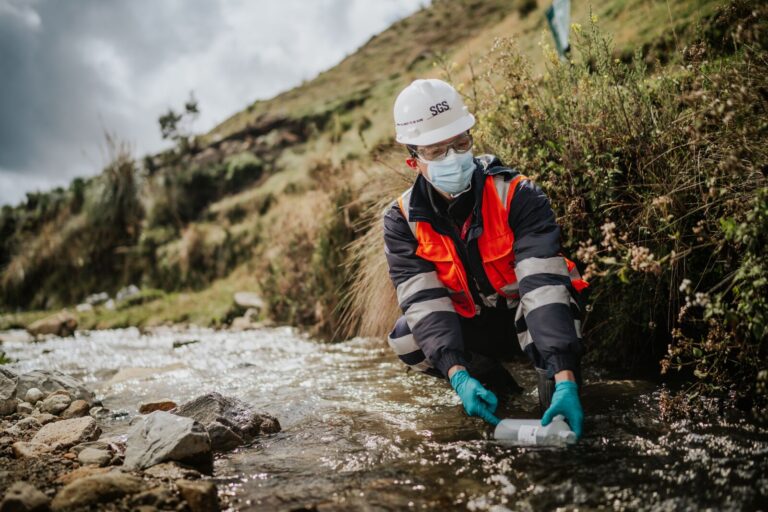
It’s worth arranging appropriate testing rather than making assumptions based on appearance alone. A glass of perfectly clear water can still contain unwanted substances that aren’t immediately noticeable.
Municipal water customers can review their utility’s water quality reports, while private well owners should arrange suitable laboratory testing for potentially harmful contaminants.
Understanding your results gives you a much better starting point. Instead of purchasing equipment because of an impressive advertisement, you can focus on technologies that address your actual concerns.
Why Professionally Designed Water Systems Make a Difference
Buying a basic water filter is relatively straightforward. Choosing equipment capable of treating the water used throughout an entire property requires considerably more thought.
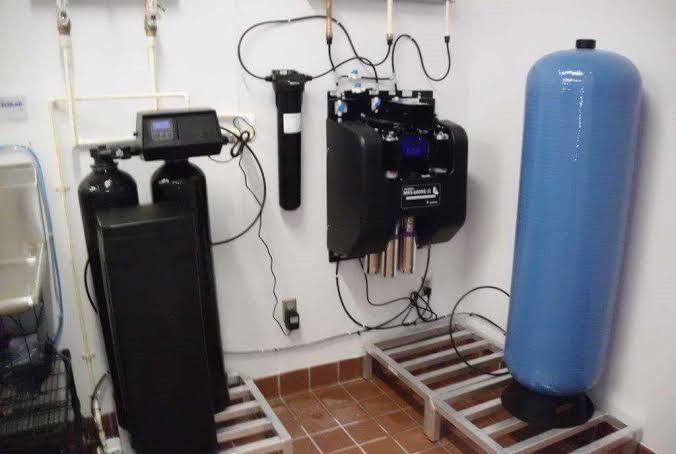
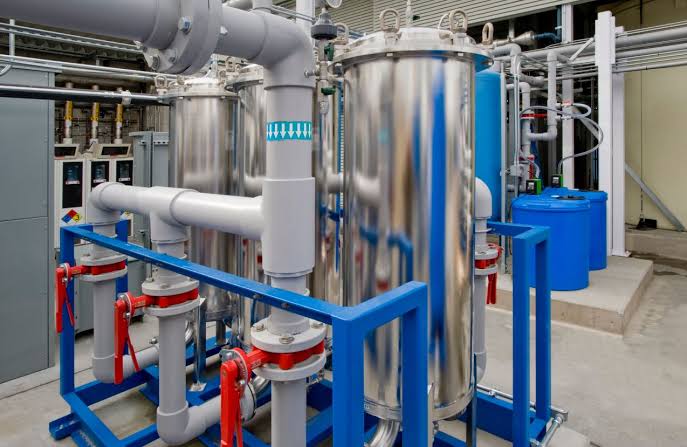
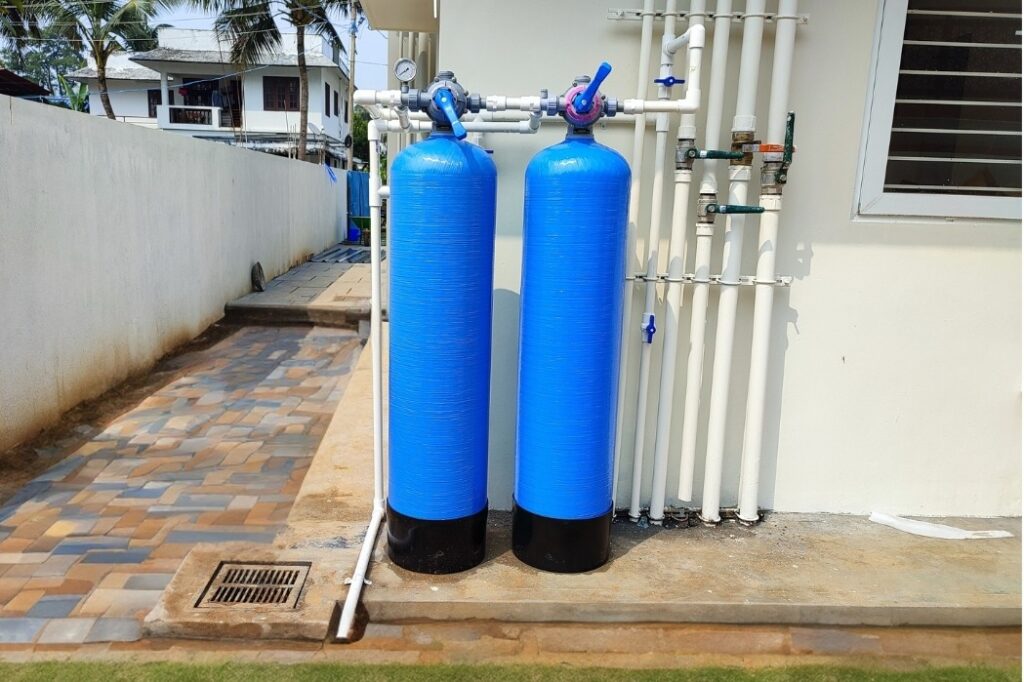
Properly selected professional water treatment systems take into account incoming water conditions, household consumption, plumbing configuration, and the specific substances that need treatment.
Different technologies serve different purposes. Some capture suspended particles, while others reduce dissolved minerals or selected chemical compounds.
Common treatment methods include:
- Sediment filtration to capture sand, rust, and suspended particles.
- Conventional water softening to reduce calcium and magnesium concentrations.
- Activated carbon filtration to address selected unwanted tastes and odors.
- Reverse osmosis to reduce many dissolved substances in drinking water.
- Specialized filtration for certain iron and manganese concerns.
The interesting thing is that not every household needs multiple treatment stages. Sometimes, a relatively simple arrangement provides exactly the improvement you’re looking for.
Equipment sizing matters, too. Imagine installing a system that struggles to maintain adequate water flow whenever someone takes a shower while the washing machine is running.
That’s hardly an improvement.
A well-planned treatment system should accommodate ordinary household demands without making everyday water usage unnecessarily complicated.
Finding the Right Balance Between Conditioning and Filtration
Water softening and filtration are often discussed together, but they don’t perform identical functions.
Working with knowledgeable providers of water conditioning and filtration services can help homeowners understand these differences and select complementary technologies where appropriate.
Conventional water softeners use ion-exchange resin to reduce excessive hardness. This can improve soap effectiveness and help limit future mineral scale formation.
Activated carbon filters work differently. They help reduce selected substances associated with unpleasant tastes and odors through adsorption.
Some salt-free conditioning technologies may help manage scale formation without actually removing hardness minerals.
Understanding these distinctions is important because expectations influence purchasing decisions.
If you’re hoping to improve detergent performance and reduce hardness-related deposits, conventional softening may be appropriate. If your primary concern is drinking water taste, targeted filtration might make more sense.
Some households benefit from combining both approaches. Others can achieve satisfactory results with a single treatment method.
The best arrangement is one that solves genuine problems without adding unnecessary expenses.
Better Water Can Make Household Maintenance Easier
Nobody particularly enjoys spending an afternoon descaling a kettle or scrubbing mineral deposits from shower doors.
Excessive hardness can contribute to these frustrations and may also encourage scale accumulation inside water-heating equipment.
Appropriate treatment can help reduce future buildup, potentially making certain cleaning and maintenance tasks easier.
There’s a financial consideration as well. Reducing excessive hardness may improve detergent effectiveness and help limit certain avoidable appliance maintenance problems.
Of course, treatment equipment won’t prevent normal wear and tear. Existing mineral deposits may still require cleaning, and appliances will eventually need replacement.
Still, addressing unfavorable water conditions is a sensible way to look after your home.
Think About Maintenance Before Buying Equipment
A water treatment system should be a long-term convenience, not another household headache.
Before purchasing equipment, ask about replacement filter costs, salt requirements, water consumption, servicing schedules, and warranty coverage.
Make sure there’s sufficient space around the equipment for routine maintenance.
Once your system is installed, follow manufacturer recommendations and arrange periodic performance checks. Keeping maintenance records can also help you recognize changes before they become more frustrating.
Make Better Water an Ordinary Part of Life
Improving household water quality doesn’t have to involve expensive renovations or complicated technology.
Start with reliable testing, seek professional guidance, and choose treatment equipment that fits your lifestyle and budget.
Because when you think about it, better water is really about the little things. Enjoying your morning coffee, spending less time cleaning bathroom fixtures, and filling a reusable bottle before heading out for the day.
These aren’t particularly extravagant comforts, but they’re ones you can appreciate every day. And that’s what makes a thoughtfully chosen water treatment system such a worthwhile home improvement.